Sustainable School Uniform Recycling in Indonesia: Toward Achieving SDG7 and SDG13

by Ayame Imaizumi
10 March 2026
After students graduate from school, what happens to the school uniforms they no longer need? Some may keep them as sentimental reminders of their school years, while others may pass them down to their siblings or acquaintances. Although purchasing school uniforms has become a common part of education, it can be a considerable financial burden for many households (Page et al., 2021). Furthermore, aside from the household economy, the production of school uniforms also creates a significant impact on the environment.
According to the United Nations, the textile industry is the world’s second-largest polluting industry, after the oil industry. From manufacturing to disposal, the life cycle of clothing consumes massive amounts of energy and emits greenhouse gases (United Nations, 2019). School uniforms are no exception. From the textile production stage (processing, sewing) to the transportation of the product, large amounts of electricity and fuel are required, making uniform production one of the primary contributors to environmental stress (Kapes, 2025).
This issue is particularly relevant in ASEAN countries, where the culture of wearing school uniforms is firmly rooted in daily life. In some schools, different designs are worn depending on the day of the week, while in others, different colors are used to distinguish between elementary, junior high, and high schools. Regulations vary not only between countries but also across regions and even among individual schools (K-12 academics, 2025). This also happens in Indonesia. The custom of wearing uniforms remains deeply rooted and causes, at least, two major challenges: (1) economic issues, and (2) energy and environmental issues.
On the economic side, families are required to replace uniforms frequently as children grow. This can impose a heavy financial burden. For low-income households, uniform costs sometimes even hinder the continuation of education (公正取引委員会, 2017). Unlike Japan, where school- or community-based reuse schemes exist, such systems are rare in Indonesia. In fact, while the recycling rate of school uniforms in Japan has reached about 48%, the secondhand market in Indonesia remains underdeveloped (United Nations, 2025).
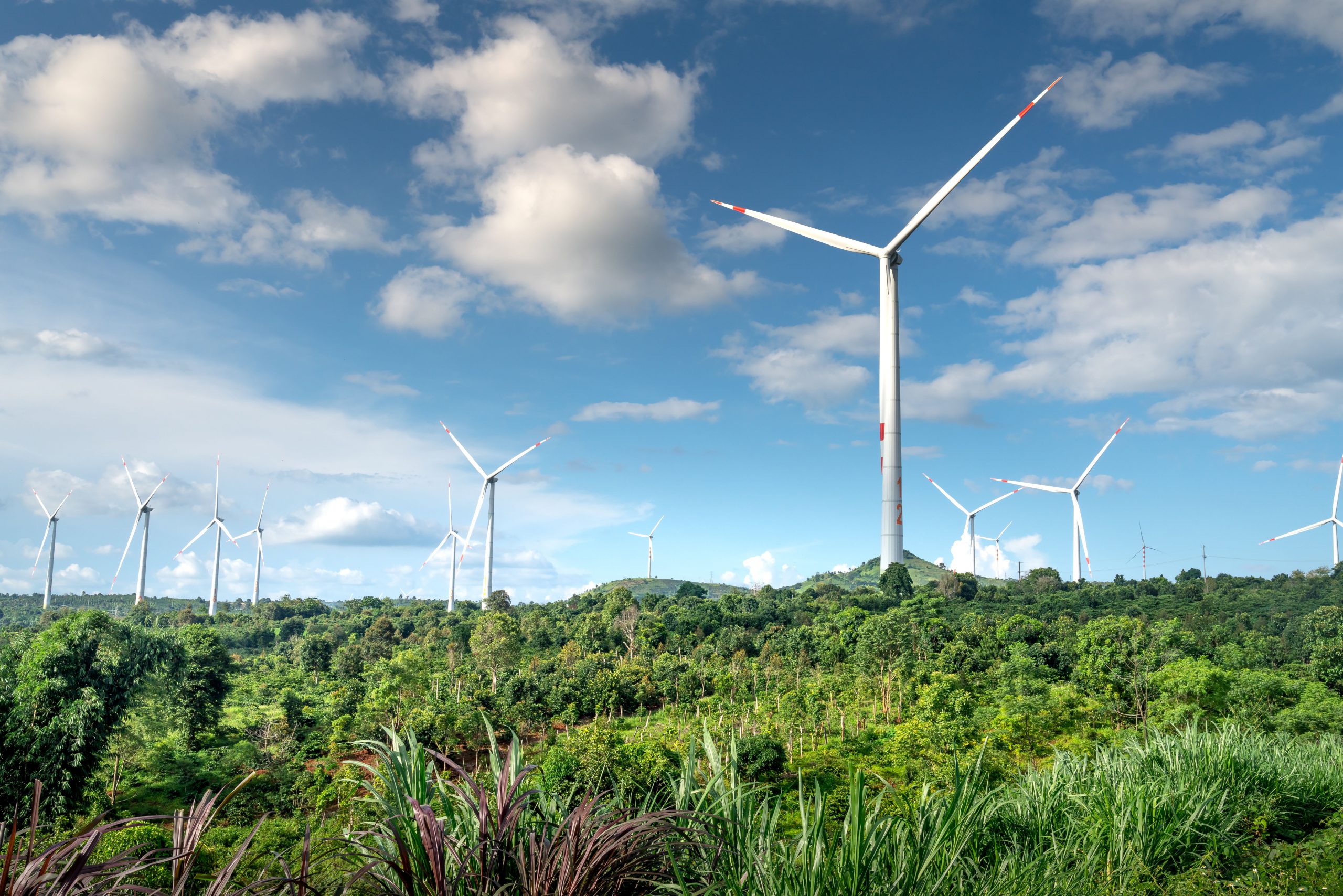
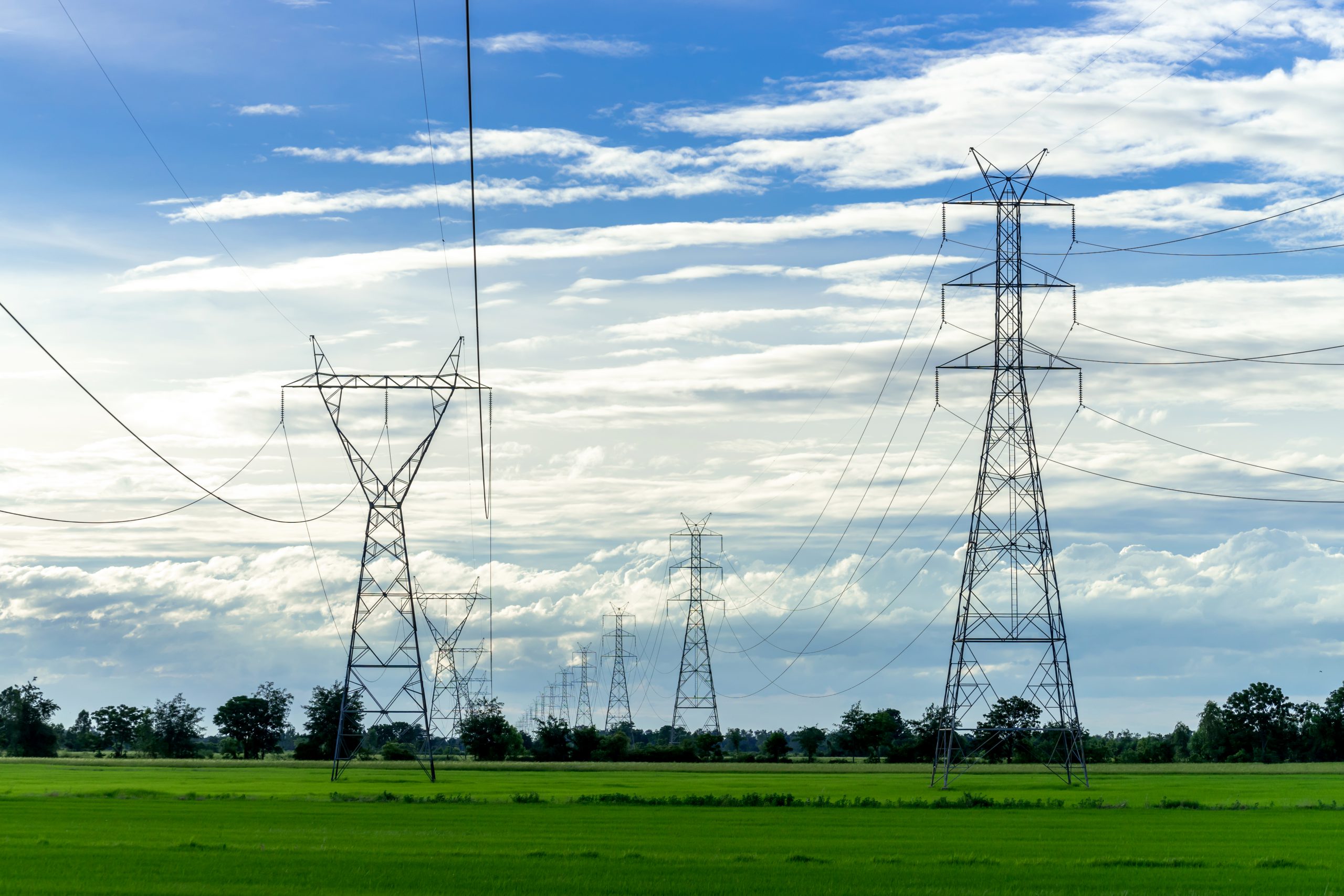
On the environmental side, the challenges are equally pressing. In many emerging economies, electricity production relies heavily on coal. In Indonesia, approximately 67% of electricity generation depends on coal (Emma, 2025). Consequently, energy consumption to produce new uniforms directly translates into fossil fuel use and increased greenhouse gas emissions. Improperly disposed uniforms, whether through open burning or illegal dumping, release more greenhouse gases and cause soil contamination. These practices not only damage local ecosystems but also worsen climate change. Rising greenhouse gas emissions contribute to sea level rise and the increased frequency of extreme weather events, both of which pose serious risks for a country like Indonesia with its thousands of islands (Behal et al., 2025).
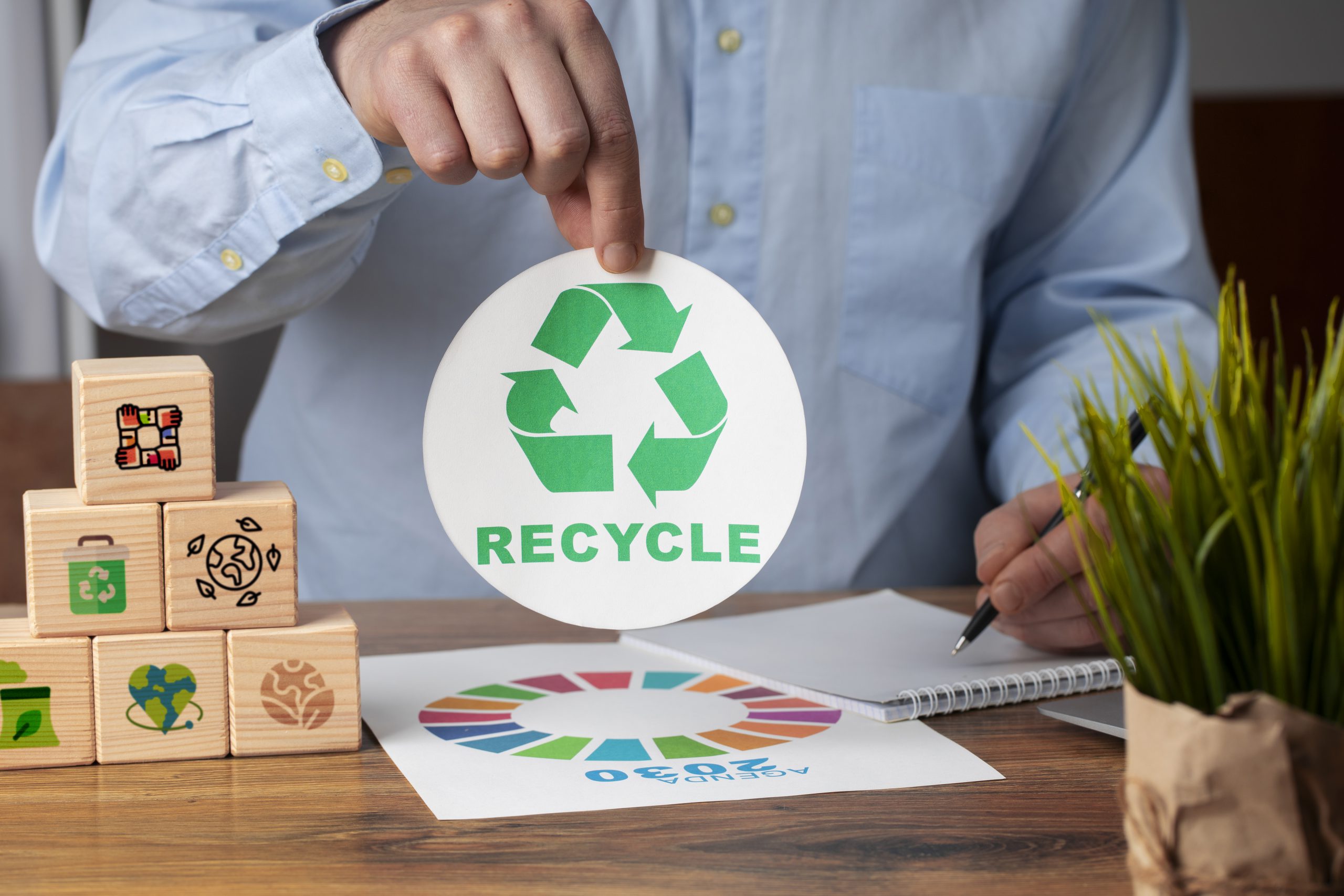
In response to these issues, this article proposes a system in which school uniforms are collected and reused at the school level. To do this, collection boxes will be installed on school grounds to gather uniforms that are no longer needed. The collected uniforms will be washed and repaired through community cooperation before being redistributed to students who need them. This system addresses both economic relief for households and the promotion of resource circulation.
To ensure its efficiency, this system utilizes a certain digital management tool, such as an app connected to a QR code system, which is used to track the inventory and distribution. The system also keeps the donors and the recipients anonymous. In Japan, similar initiatives to uniform recycling that employ applications have already existed (PTAS, 2023). Conversely, very few similar efforts with digital applications have been identified across other Asian countries. In Indonesia, QR code-based payment systems have been widely used, and in some cases, they are more advanced than in Japan. This suggests that the existing digital infrastructure is ready and can serve as a foundation for introducing uniform recycling schemes smoothly, especially in urban areas in Indonesia.
The proposed recycling of school uniforms system in Indonesia aligns directly with several SDGs. First, regarding SDG 7 (Affordable and Clean Energy), by reducing the demand for new uniform production, factories that rely on coal reduce their electricity consumption, thereby contributing to the reduction of fossil fuel dependency and encouraging the use of sustainable energy sources. Second, for SDG 13 (Climate Action), cutting down CO₂ and other greenhouse gas emissions from both the production and the disposal of uniforms mitigates the impact of climate change. Expanding such recycling systems contributes to the development of a circular society and, in the long run, reduces environmental stress across the ASEAN region.
A simple calculation demonstrates the potential scale of this impact. It goes like this. If one second-hand uniform is donated and reused by at least another student, the effective consumption of uniforms per student is halved. Thus, promoting uniform recycling not only safeguards the continuity of education but also promotes climate change mitigation and energy conservation in the educational sector. In other words, establishing a sustainable educational system itself becomes a practical approach to advancing SDG7 and SDG13 simultaneously.
One of the key strengths of this proposed system lies in its scalability. It can begin at a relatively low cost and expand in stages. Its initial implementation can focus on urban centers where digital infrastructure is well established. Successful cases can be extended to schools in rural areas, helping to cultivate a culture of reuse on a wider scale.
Institutional support from the Ministry of Education and local governments will enhance its sustainability further. Addressing potential resistance to second-hand uniforms requires solid systems of hygiene management and quality assurance to ensure that students and parents can use recycled uniforms with confidence.
On the operational side, partnerships with NGOs and corporate CSR initiatives can provide financial backing. Additionally, introducing a small contribution system from users can strengthen sustainability and foster a sense of community ownership. With these measures, the model has strong potential to take root as a community-led initiative.
Ultimately, school uniforms represent more than just a component of educational costs, as they can embody economic challenges for many families and environmental burdens for society. This system for recycling uniforms can reduce financial stress on households while simultaneously lowering energy consumption and CO₂ emissions (Cui et al., 2018). The proposed system outlined in this report represents a meaningful step toward realizing a sustainable society.
Ayame Imaizumi is a student at the School of Computing, Department of Computer Science at the Institute of Science Tokyo. She is a participant in the BESTS 2025 Programme (Building Entrepreneurial Mindset for Sustainable Technology and Society), a student exchange initiative between Sampoerna University and the Institute of Science Tokyo. The ASEAN Centre for Energy, through the ASEAN Climate Change and Energy Project (ACCEPT), contributes to this programme as part of its youth engagement initiative.
The views, opinions, and information expressed in this article were compiled from sources believed to be reliable for information and sharing purposes only, and are solely those of the writer/s. They do not necessarily reflect the views and opinions of the ASEAN Centre for Energy (ACE) or the ASEAN Member States. Any use of this article’s content should be by ACE’s permission.