The ASEAN Spark: Powering Growth while Protecting the Planet

by Leandro Gian Sutanto and Indira Pradnyaswari
29 June 2026
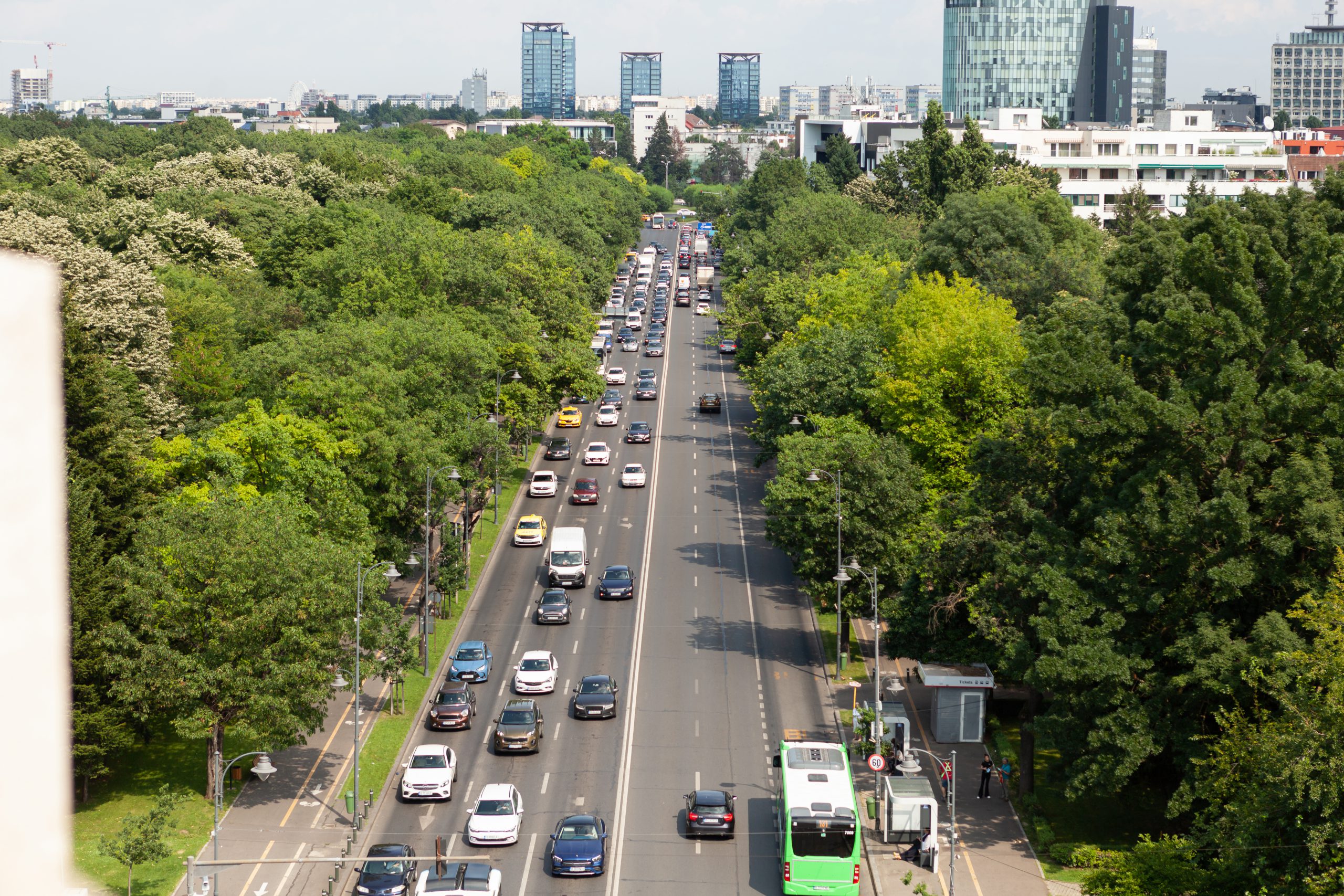
The ASEAN countries have been experiencing a rapid economic development, but this progress also comes with a significant climate challenge. As its energy demand is expected to grow by 60% by 2040, intensive use of fossil fuels will generate emission and expose the region to the effects of climate change. The core dilemma for ASEAN is how to reconcile its economic ambition with its environmental responsibility. Meanwhile, ASEAN needs to align its approach to dealing with climate change (SDG 13) and to provide clean energy that everyone can afford (SDG 7). Instead of prioritising one over the other, the region must highly consider energy transition.
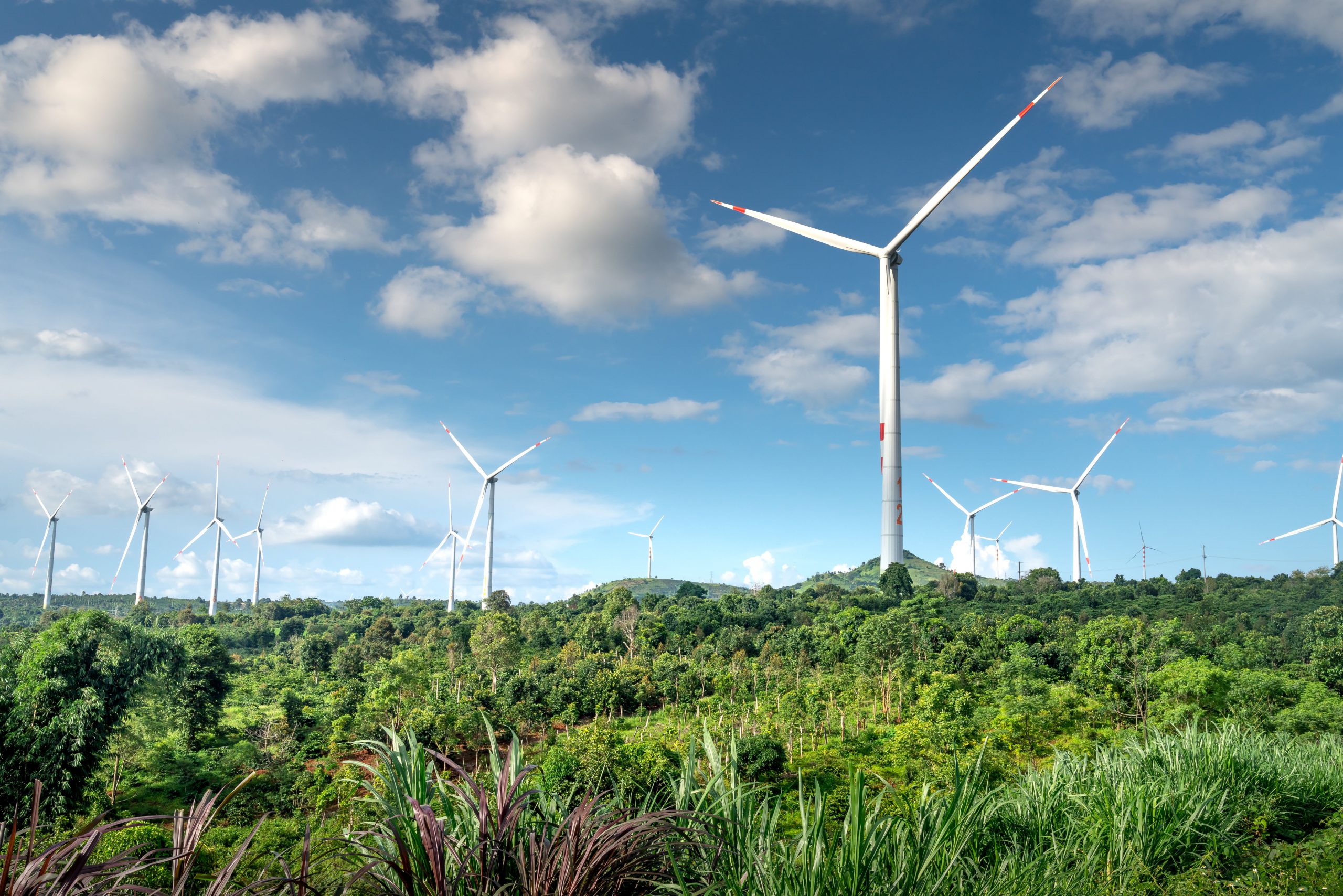
However, ASEAN Member States (AMS) have long depended on coal fired power plants for their electricity supply. This dependence triggers a cascade of issues, exposing ASEAN economies to volatile global fuel prices and energy security risks which lead to external shocks. This reliance poses a serious challenge, as ASEAN is categorised as a climate-vulnerable region. In this context, continuing to rely on fossil fuels is not only unsustainable but also increasingly risky for long-term energy planning. Moreover, fossil-based fuel utilisation could hinder ASEAN’s alignment with Paris Agreement’s goals, as it could significantly undermine global efforts to limit warming and transition to a low-carbon future.
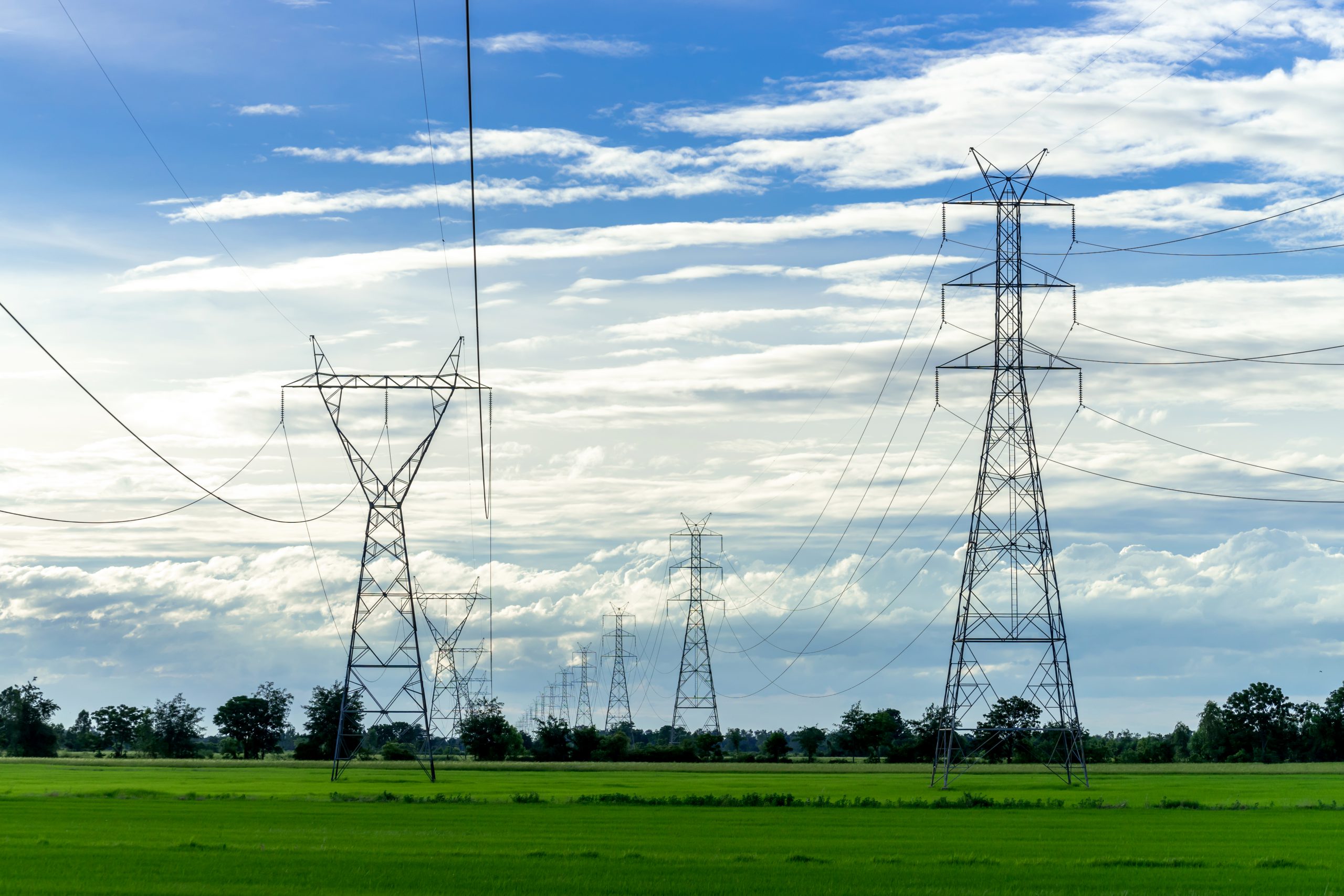
While the technology adoption of renewable infrastructures rapidly increases, challenges persist in the financing mechanism in building new renewable energy projects. This includes high capital investment, operation and maintenance cost, and further process that is related to the life cycle of the power plant. Moreover, government subsidies are also keeping fossil fuels’ price more affordable if compared to cleaner energy fuels. From a technical perspective, such as ASEAN Power Grid (APG) initiatives, the challenge lies in the stability of grid infrastructure. With the fluctuated power supply generated by renewable sources, grid stability is vital to ensure that electricity is evenly transmitted throughout each grid. To meet this requirement, major investments in smart grids and energy storage strongly recommended to improve the electricity transmission process. On top of that, renewable energy transition is likely affected by the geopolitics situation and supporting policies which apply nationally or at regional level. These uncertainties have resulted in lower interest among investors due to unclear regulation, standard, and investment pathways.
In Vietnam, an ambitious policy centered on feed-in tariffs triggered a remarkable expansion in solar capacity, showing the potential for rapid transformation. The primary challenge, however, is that this growth quickly overwhelms the existing electrical grid, leading to forced shutdowns of new facilities. The situation clearly demonstrates that successful energy policy must be tightly integrated with robust infrastructure planning.
To fix its energy challenges, ASEAN Member States require solutions both on national and regional level. On regional, the proposed idea in this article is the “ASEAN Circular Energy Hub,” a plan based on three things: reusing waste, getting the government and businesses to collaborate, and involving local communities.
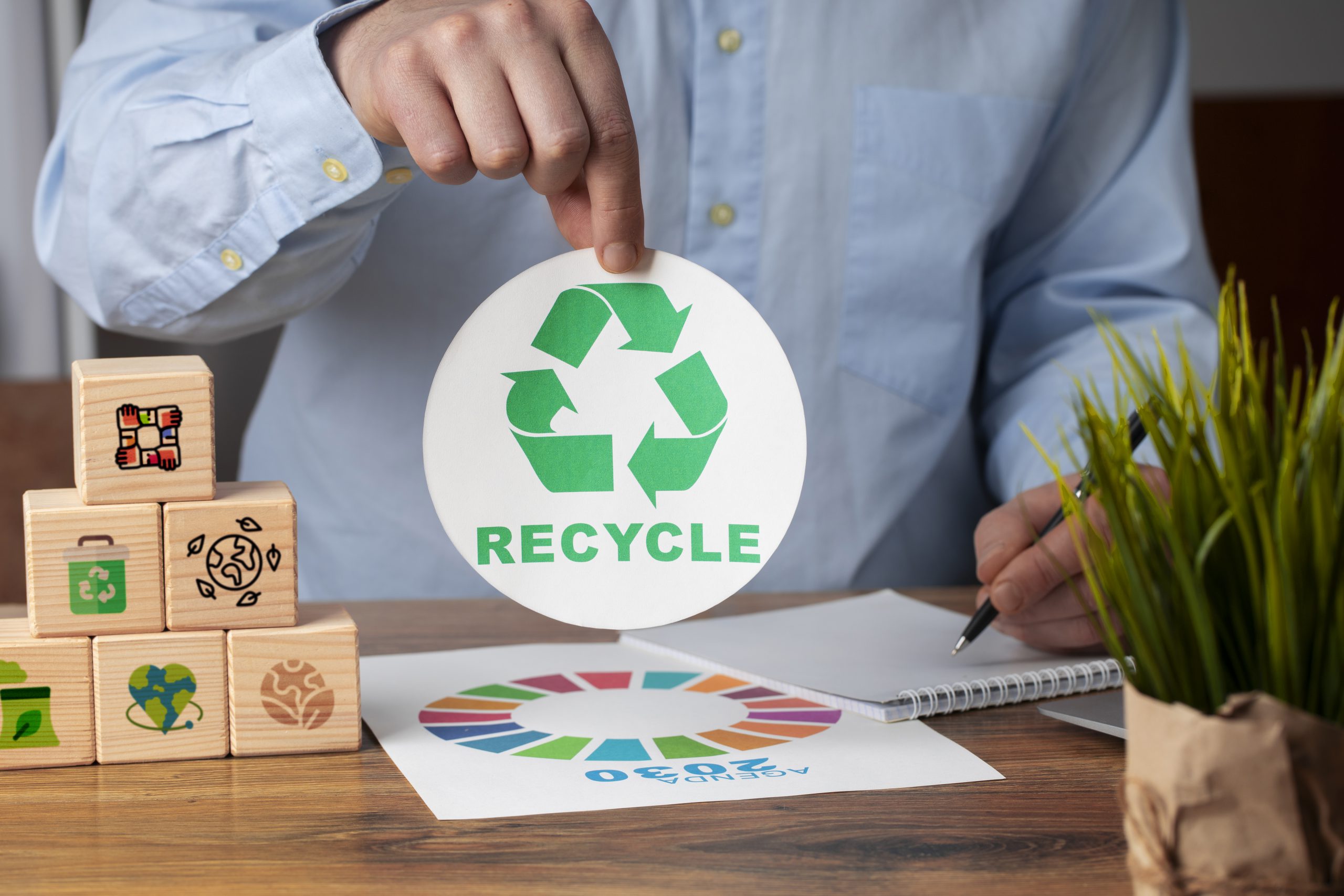
The plan is to turn local trash from farms, cities, and factories into energy. This will not be a single giant project, but a collection of small projects that fit the needs of each community. For example, a village can change leftover rice husks into electricity, while a city can use its garbage to power public buildings.
What makes this idea special is that it solves many problems simultaneously. It cleans up waste, creates local jobs, brings power to remote places like schools or clinics, and reduces harmful pollution from dumps. Turning trash into something valuable can help communities become stronger and grow in an environmentally safe way.
This model strongly supports key SDGs:
To implement this model, it is essential to overcome major policy, financial, and technological obstacles through a multi-faceted strategy:
The energy challenge in ASEAN is not about choosing between economic progress and climate responsibility, but it is about finding a way to achieve both. The region’s future wealth depends on its capacity for innovation. Ideas like this show a clear way forward. They can turn big problems like waste into solutions that give us energy and help countries stand up to climate change. To build a clean and successful future that lasts, Southeast Asian countries must learn to reuse materials instead of throwing them away. They need to lead the way in this new clean energy movement.
Leandro Gian Sutanto is a member of the Faculty of Engineering and Technology (FET), Department of Industrial Engineering at Sampoerna University. He is a participant in the BESTS 2025 Programme (Building Entrepreneurial Mindset for Sustainable Technology and Society), a student exchange initiative between Sampoerna University and the Institute of Science Tokyo. The ASEAN Centre for Energy (ACE), through the ASEAN Climate Change and Energy Project (ACCEPT), contributes to this programme as part of its youth engagement initiative.
The views, opinions, and information expressed in this article were compiled from sources believed to be reliable for information and sharing purposes only, and are solely those of the writer/s. They do not necessarily reflect the views and opinions of the ASEAN Centre for Energy (ACE) or the ASEAN Member States. Any use of this article’s content should be by ACE’s permission.