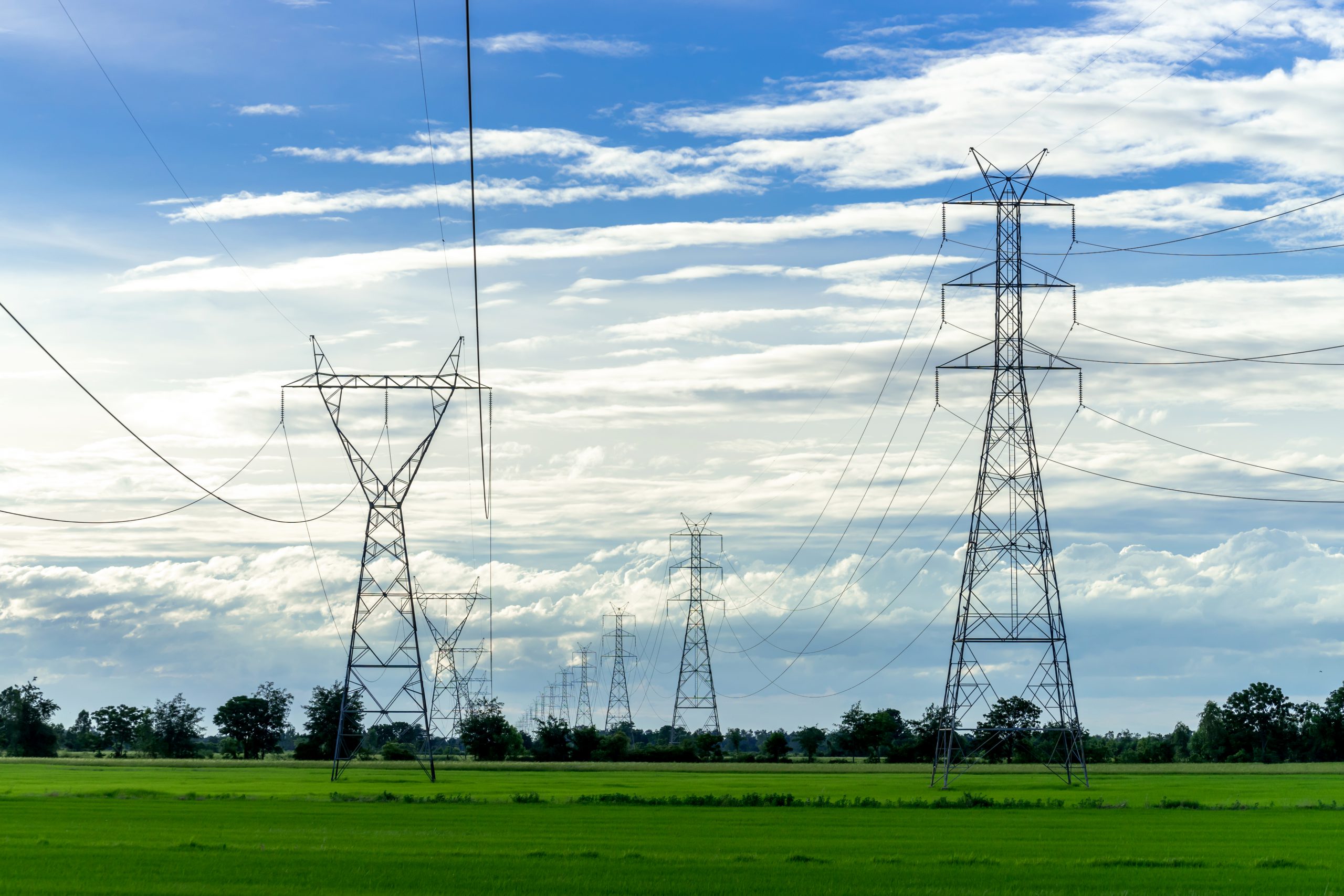
Improving Transmission Efficiency: The Construction of Underground Power Grids

by Kazutoshi Matsuda
01 June 2026
Introduction
Under a baseline scenario, the ASEAN region’s energy consumption is projected to skyrocket to 1,107.9 million tons by 2050, more than twice the 2022 level. Coal remains a cornerstone of ASEAN’s energy mix, fulfilling growing demand but at a significant environmental cost due to its high carbon dioxide emissions. This article highlights a proposal arguing that by developing an interconnected submarine and underground power transmission network, ASEAN nations can significantly reduce electricity losses, promote the widespread adoption of renewable energy, and consequently decrease their reliance on coal.
Context & Problem Statement
ASEAN’s heavy reliance on coal is driven by two key factors: energy security and cost-effectiveness. With an emission factor of 0.0245 tC/GJ, coal is significantly more carbon-intensive than other fossil fuels like LNG, which has an emission factor of just 0.0135 tC/GJ.
However, abundant local reserves, particularly in nations like Indonesia and Thailand, ensure a stable and domestically controlled energy supply while supporting local employment. Furthermore, coal’s low cost is critical for providing affordable electricity to the region’s developing economies.
Despite these advantages, the urgent need to mitigate climate change requires a significant reduction in coal consumption. The primary obstacle is the high cost of transitioning to renewable energy, with estimates suggesting a necessary investment of USD 213 billion in the power sector alone by 2030 to meet ambitious emission reduction targets.
Key Insights: Innovation, Scalability, and Feasibility
The proposed solution is to pioneer an advanced, smart power grid, primarily laid underground and undersea. The project will be implemented in phases to ensure scalability and feasibility:
Phase 1: Planning & Modeling. Machine learning algorithms are leveraged to map the most efficient routes for the new grid infrastructure. Then, comparative digital models of the existing urban power grid vs. the proposed underground system are developed to quantify the benefits precisely in efficiency and stability.
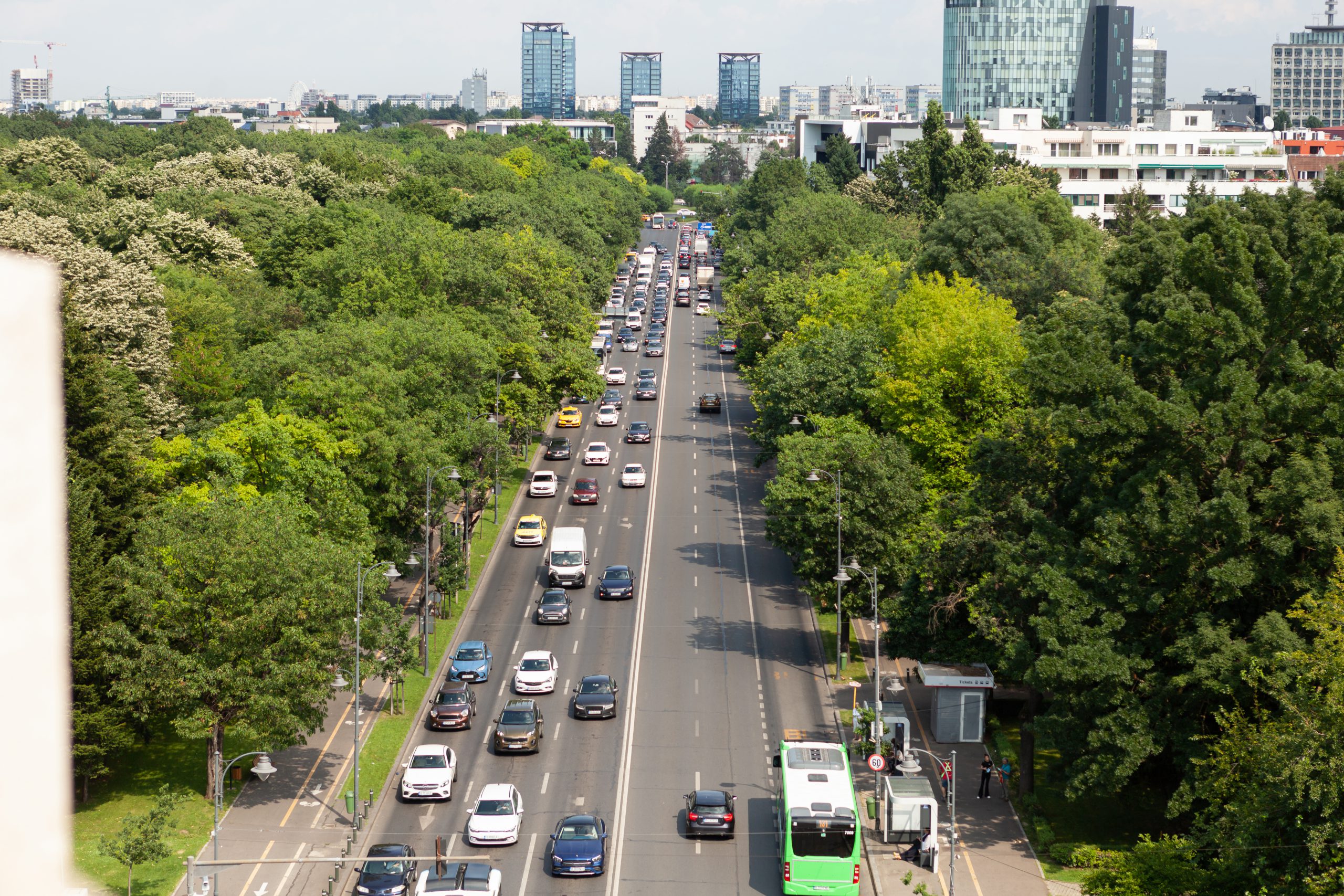
Phase 2: Commercialization & Scalability. It begins with a targeted commercial rollout in high-end residential areas, where the aesthetic benefit of buried power lines, an improved, uncluttered landscape, provides a strong value proposition in addition to environmental advantages.
Phase 3: Expansion. Following successful pilot projects, the project is expanded into developing cities and large-scale redevelopment zones. Once a proven track record and strong brand recognition are established, the main goal is to integrate the laying of underground grids with the standard urban road construction.
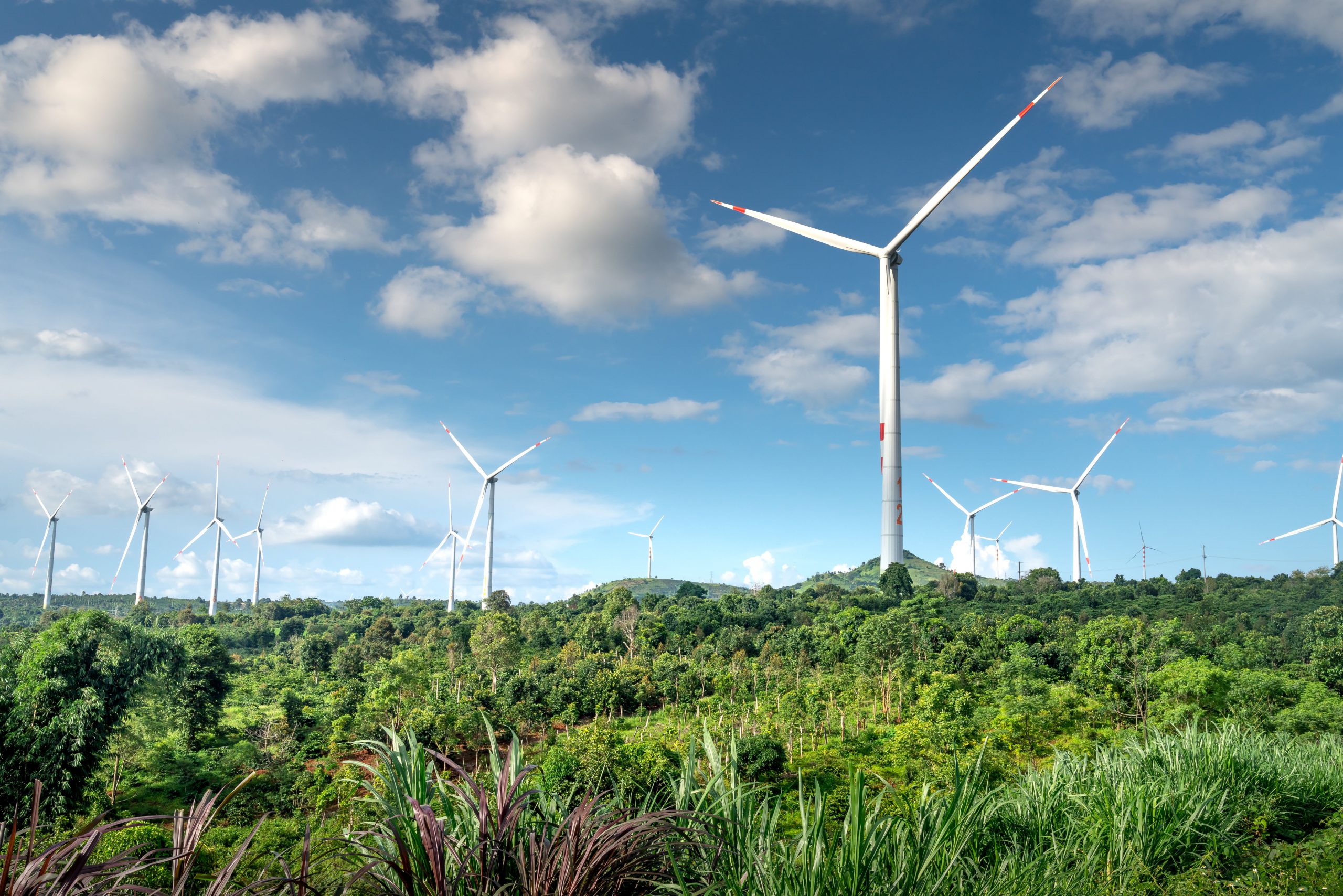
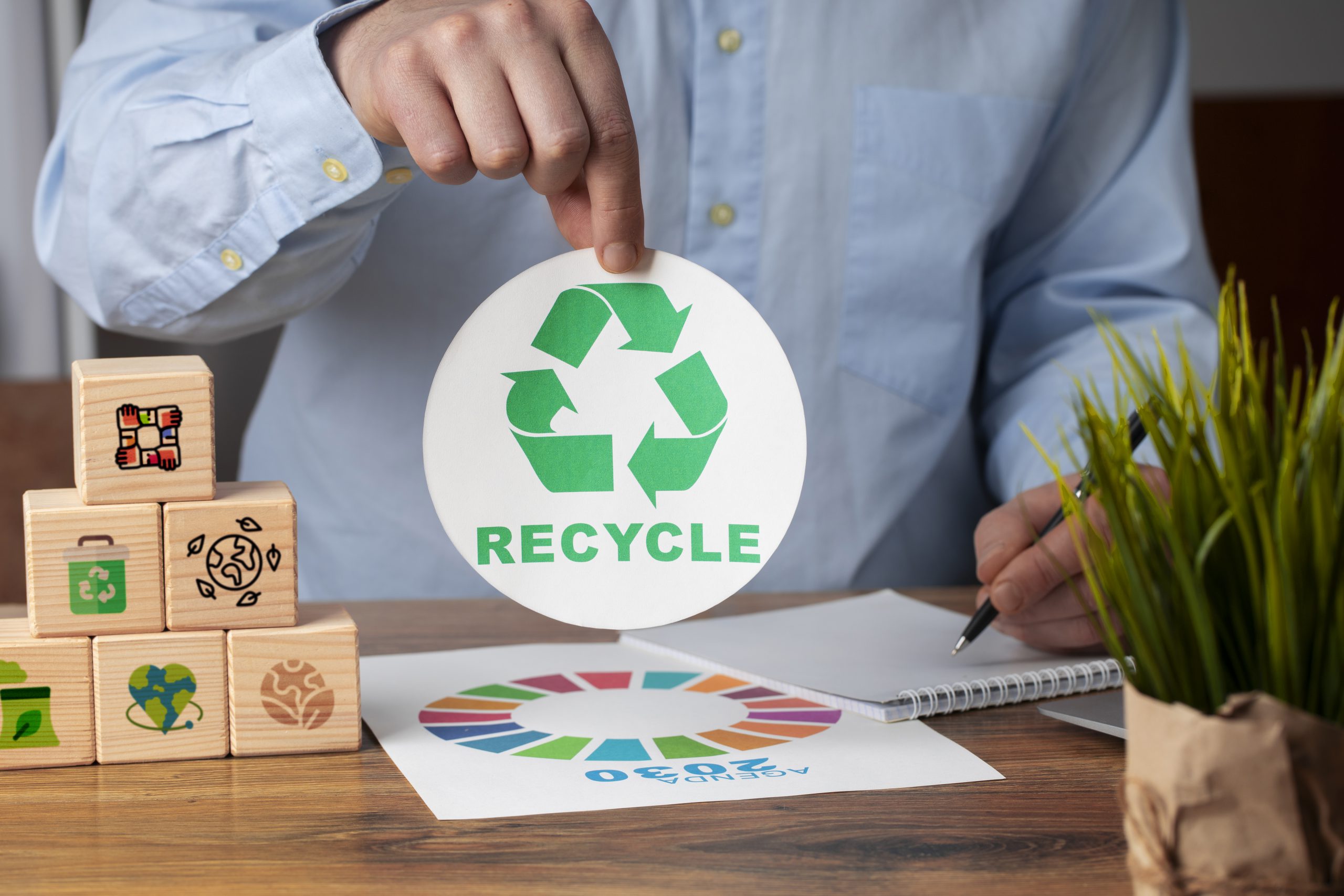
The ultimate vision is to extend this network via undersea cables, connecting major islands with the more than 25,000 smaller islands across the ASEAN archipelago. This network will be crucial for efficiently transporting electricity generated from renewable sources. Instead of building costly and environmentally burdensome power generation facilities on every inhabited island, this grid will allow for a strategic choice between local generation and efficient transmission, ultimately reducing costs and environmental impact, in direct support of SDG 7 (Affordable and Clean Energy) and SDG 13 (Climate Action).
Proposed Solution: Business Model
The proposed business model for the project focuses on integrating the machine learning-driven grid design as a specialized subcontractor within larger urban planning and public works projects. The project will initially target developing cities and new urban zones.
The operational framework will be a public-private partnership (PPP), structured as a 50/50 joint investment with relevant public agencies. Revenue will be generated not only from the construction and operation of the grid but also from exporting the proprietary grid-mapping and management technology. A key selling point, especially for private real estate and affluent communities, is the enhanced aesthetic value of burying power lines. It is important to note that this proposal does not aim to create a new circular economy but rather to improve the efficiency and sustainability of the existing energy framework drastically.
Connection to SDGs & Impact
As ASEAN countries inevitably expand their renewable energy capacity, the construction of this efficient transmission network is a critical preparatory step. By minimizing power loss during transmission, the grid will directly lower the overall carbon dioxide emissions required to meet the region’s energy demand. This creates a permanent, structural improvement to the energy system, making a lasting contribution to SDG 7 (Affordable and Clean Energy).
Challenges & Way Forward
Two primary challenges must be addressed. First, further research and development are needed to optimize the technology for burying high-voltage transmission lines, ensuring long-term durability and cost-effectiveness. Second, the absolute safety and reliability of this critical underground infrastructure are paramount. The project plans to overcome these hurdles by starting with controlled, smaller-scale projects to build a portfolio of success. This proven track record will establish brand trust and demonstrate the viability of the proposed technology for wider adoption.
Conclusion & Call to Action
Enhancing electricity transmission efficiency across the ASEAN region is not merely an incremental improvement; it is a foundational step toward a sustainable future. This initiative offers a permanent and impactful contribution to regional SDG commitments and is essential for promoting a resilient, low-carbon society.
Kazutoshi Matsuda is a member of the School of Materials and Chemical Technology, Department of Materials Science and Engineering at Institute of Science Tokyo. He is a participant in the BESTS 2025 Programme (Building Entrepreneurial Mindset for Sustainable Technology and Society), a student exchange initiative between Sampoerna University and the Institute of Science Tokyo. The ASEAN Centre for Energy (ACE), through the ASEAN Climate Change and Energy Project (ACCEPT), contributes to this programme as part of its youth engagement initiative.
The views, opinions, and information expressed in this article were compiled from sources believed to be reliable for information and sharing purposes only, and are solely those of the writer/s. They do not necessarily reflect the views and opinions of the ASEAN Centre for Energy (ACE) or the ASEAN Member States. Any use of this article’s content should be by ACE’s permission.