Beyond the Seam: Weaving a Sustainable Energy Future for ASEAN Through Circular Fashion and Strategic Climate Action

by Jennifer
31 March 2026
Introduction
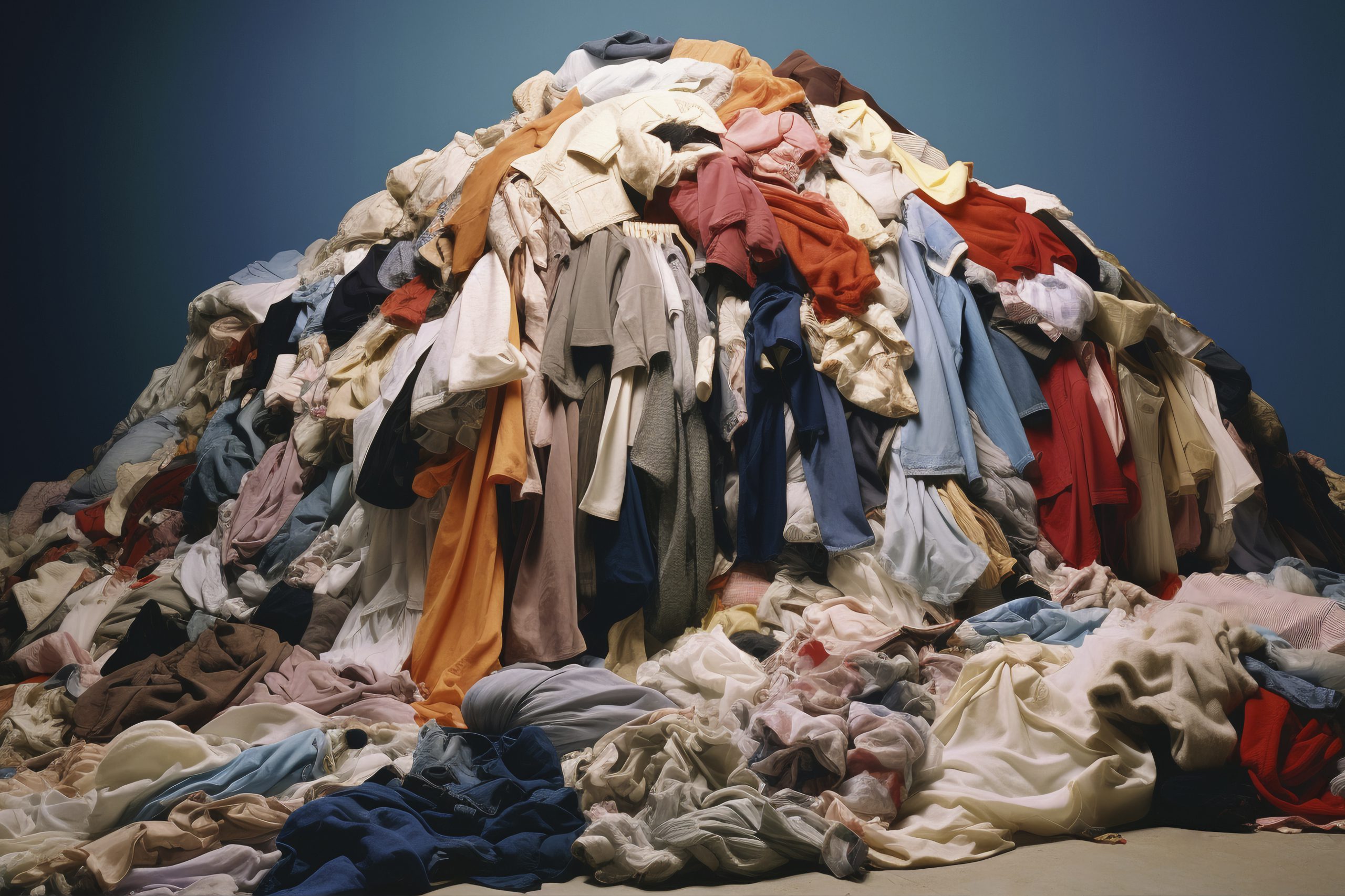
The global fashion industry, a powerful engine of economic activity, harbors a disproportionately large and often overlooked environmental footprint. Its environmental impact on the planet is indicated by the sheer scale of modern consumption and production of fashion. The fashion industry is a significant contributor to global greenhouse gas (GHG) emissions, accounting for approximately 10% of the worldwide total. This figure is roughly equivalent to the combined emissions generated by the international aviation and shipping sectors. As production accelerates, this carbon burden is projected to escalate dramatically, with emissions from textile manufacturing alone expected to surge by an alarming 60% by 2030. The problem, however, extends far beyond carbon. The fashion industry is the world’s second-largest consumer of water, consuming an estimated 1.5 trillion liters annually. It is also the second-largest polluter of water, with textile dyeing accounting for 20% of global industrial wastewater. This is exacerbated further by the staggering amount of waste generated. Each year, 87% of all textile fibers produced, a total of 92 million tonnes, are either incinerated or end up in landfills. This massive environmental burden highlights a critical need for systemic change, and this article highlights an initiative that can make the fashion industry contribute to mitigating negative environmental impacts and reducing the use of energy.
While consumption patterns in regions like Europe and North America drive demand for new clothing, the environmental impacts of the initial production stages are largely concentrated in Southeast Asia, which produces over half of the world’s fabrics and fibers. This geographic distribution of the value chain means that the most energy-intensive and water-intensive processes, such as fiber manufacturing, dyeing, and finishing, are heavily concentrated in Southeast Asia. This creates a critical regional security issue. The widespread use of a cocktail of toxic chemicals, including azo dyes, heavy metals, and “forever chemicals” like per- and polyfluoroalkyl substances (PFAS), leads to a steady flow of untreated or under-treated sewage. This toxic discharge contaminates drinking water, devastates aquatic ecosystems, and poses significant human health risks, including increased rates of cancer and hormonal disorders.
The root cause of this massive footprint is the industry’s extensive reliance on a linear economic model, a system of “take, make, use, and waste”. This outdated model is linked to two key energy-related issues. First, the production of synthetic fibers, like polyester from petroleum, is an energy-intensive process that requires large amounts of fossil fuels and releases volatile particulate matter. The dyeing and finishing stages are also major sources of pollution and energy consumption, demanding high-temperature water to facilitate the absorption of chemicals and dyes. Second, the fast fashion business model, fueled by a burgeoning middle class and digital innovation across Southeast Asia, promotes rapid, low-cost production and consumption cycles that lead to overconsumption and massive amounts of textile waste. This waste represents not only an environmental catastrophe but also a significant loss of financial value and an untapped economic opportunity that can be recovered through new business models.
The Core of Fashion, SDGs, and Regional Resilience
The environmental and social burdens of the fashion industry are directly intertwined with the ASEAN region’s pursuit of a sustainable future, as articulated in the SDGs. Addressing the industry’s footprint is not a peripheral concern but a central and strategic imperative for the region. The strategic pursuit of clean and affordable energy is a core goal for ASEAN, as outlined in the ASEAN Plan of Action for Energy Cooperation (APAEC). The fashion industry, as a major energy consumer, is a critical area for targeted intervention. The energy-intensive nature of textile production, particularly in the dyeing and finishing and fiber/yarn preparation phases, presents a massive opportunity for decarbonization through energy efficiency and the adoption of renewable energy. Global companies like Levi Strauss & Co. and H&M have already demonstrated a viable path forward by committing to on-site renewable energy and energy efficiency upgrades in their facilities. A report by the ILO reinforces this approach by identifying the “yarn and fabric production phase” as the most carbon-intensive part of the supply chain, providing a critical framework for policymakers to guide investment and action.
The detailed analysis of the fashion value chain reveals that stages of dyeing and finishing (36%), yarn preparation (28%), and fiber production (15%) are the main drivers of the industry’s impact on global pollution. This finding means that to achieve significant and rapid decarbonization, policy and financial resources, such as green finance and technical assistance, should be directed specifically at these high-impact stages of production. By targeting these critical junctures, the region can achieve maximum impact with minimal resource expenditure, accelerating progress toward its energy goals.
The industry’s enormous GHG emissions directly undermine both global and regional climate action goals. The UN Framework Convention on Climate Change (UNFCCC) has called for the sector to achieve net-zero emissions by 2050, which is in line with the Paris Agreement. Reports highlight that climate change is already a major threat to Southeast Asia, jeopardizing multisectoral area, including energy security.
By reducing energy consumption in the fashion industry, ASEAN is directly addressing one of the region’s growing sources of climate vulnerability. The energy-intensive nature of fashion production contributes to emissions that intensify extreme weather events, disrupt agricultural systems, and strain freshwater resources which pose immediate risks to human security and economic stability. Taking climate action in this sector is therefore an act to enable ASEAN in strengthening its climate resilience and long-term sustainable development plan.
The linear “take-make-use-waste” model is the fundamental cause of the industry’s environmental degradation. A transition to a circular economy, which focuses on eliminating waste and pollution, circulating products and materials at their highest value, and regenerating nature, is not merely an option but a strategic imperative to meet the goals of SDG 7 and SDG 13.
Implementing circular economy principles provides a direct pathway to reduced resource consumption and emissions. The production of virgin materials is highly energy-intensive and generates significant GHG emissions. In contrast, circular practices, such as recycling textiles into new fibers, drastically reduce the demand for these new resources. The production of recycled polyethylene terephthalate (rPET) from plastic bottles, for example, uses 59% less energy than the production of its virgin counterpart. This means that by embracing circularity, the fashion industry can make direct and quantifiable reductions in both energy consumption and GHG emissions across its value chain. Thus, the adoption of SDG 12 principles becomes the foundational strategy that enables the achievement of SDG 7 and SDG 13.
Challenges for Change
While the path to a sustainable fashion future is clear, its implementation in the ASEAN context faces specific and significant challenges. However, it is within these challenges that the greatest opportunities for regional leadership lie. ASEAN has established a solid foundation of policy frameworks aimed at promoting sustainable development, including the ASEAN Framework for Circular Economy and the ASEAN Framework on Sustainable Consumption and Production (SCP). The ASEAN Plan of Action for Energy Cooperation (APAEC) 2021-2025 sets more aspirational goals, such as increasing the renewable energy share to 23% by 2025 and a 30% reduction in energy intensity based on the 2005 levels.
Despite these clear statements of intent, a critical challenge remains in the transition from aspiration to concrete implementation. The 23% renewable energy target, for instance, has been described as “lacking specific allocation” with its nature remaining “very loose”. This reveals a significant gap: while the vision is ambitious, the mechanisms for enforcement and accountability are weak. Vague targets and bureaucratic hurdles are identified as key factors hampering progress toward cleaner energy goals. This situation requires a shift from broad, non-binding commitments to specific, measurable, and country-level actions.
The rapid growth of the Southeast Asian fashion market is a double-edged sword. It is driven by a burgeoning, tech-savvy middle class with increasing purchasing power, which fuels the overconsumption characteristic of the fast fashion model. A significant barrier to a sustainable transition is the so-called “aspiration-action gap” among consumers. While many people express concern for the environment, their purchasing decisions are often ultimately driven by price and convenience. This is deeply connected to the economic reality of sustainable materials. For example, recycled polyester (rPET), a key component in circular fashion, can carry a cost premium of up to 35% compared to virgin PET. This financial barrier makes it difficult for both price-sensitive consumers and the small-to-medium enterprises (SMEs) that comprise over 50% of the industry to adopt sustainable practices. The high cost of sustainable products is a direct reason for the gap between a consumer’s desire for a greener lifestyle and their ability to implement actions that reflect that desire.
Despite these challenges, a wave of innovation is emerging across ASEAN. The region is home to pioneering companies that are proving the feasibility and economic viability of a sustainable fashion transition. In Indonesia, the company Pable is reviving traditional weaving techniques while actively recycling 270 tons of textile waste. The Philippines hosts brands like Bayo Manila Inc. and Risqué Designs, which champion sustainable, circular, and culturally-inspired fashion by employing local artisans and utilizing traditional handcrafted techniques. A case study from Bangladesh highlights large firms that have implemented two-year energy efficiency programs and successfully reduced energy consumption by 25%. These examples demonstrate that a transition is not only possible but also a source of economic opportunity and cultural preservation. The primary challenge is not a lack of innovation but rather the need to scale these isolated successes into a comprehensive, regional movement.
Recommended Solution
A transition to a circular and sustainable fashion industry in ASEAN requires a coordinated effort from policymakers, the private sector, and the public. A clear blueprint for action is essential to bridge the gap between aspirational goals and tangible progress. Institutions must expand and effectively utilize existing financial mechanisms like the ASEAN Catalytic Green Finance Facility (ACGF). This facility is designed to provide technical assistance and “de-risk” green infrastructure projects, making them more attractive to private capital. The ACGF’s model is uniquely suited to bridge the investment gap for high-cost, high-impact projects aimed at textile decarbonization and circularity.
Along with that, companies must move beyond basic recycling to adopt comprehensive circular strategies. This includes designing products for longevity and durability, exploring access-based models like renting and leasing, and implementing take-back and resale programs to extend the life of garments. These models not only reduce environmental impact but also create new revenue streams. Consumers and organizations should also actively seek out and support the pioneering sustainable fashion brands within ASEAN. By helping these companies gain market share and influence, the public can play a direct role in scaling up a circular and responsible fashion industry.
The intersection of fashion, energy, and climate change represents a critical and urgent challenge for the ASEAN region. The industry’s linear model places a heavy burden on the environment and undermines the region’s climate goals and energy security. However, this challenge is also an unparalleled opportunity.
By acting decisively to transition the fashion industry to a circular model, ASEAN can achieve multiple objectives simultaneously. It can meet its own energy and climate targets, as outlined in the APAEC, and its commitment to the Paris Agreement. It can mitigate the very real and present climate risks that threaten regional stability, from water scarcity to food insecurity. Most importantly, it can redefine its role on the global stage. By pioneering a circular, low-carbon, and resilient future for fashion, ASEAN can transition from a production hub to a visionary leader, setting a new standard for sustainable economic development that harmonizes economic growth with environmental stewardship. The path forward is clear; the time for action is now.
Jennifer is a student at the Faculty of Engineering and Technology (FET), Department of Computer Science, Sampoerna University. She is a participant in the BESTS 2025 Programme (Building Entrepreneurial Mindset for Sustainable Technology and Society), a student exchange initiative between Sampoerna University and the Institute of Science Tokyo. The ASEAN Centre for Energy, through the ASEAN Climate Change and Energy Project (ACCEPT), contributes to this programme as part of its youth engagement initiative.
The views, opinions, and information expressed in this article were compiled from sources believed to be reliable for information and sharing purposes only, and are solely those of the writer/s. They do not necessarily reflect the views and opinions of the ASEAN Centre for Energy (ACE) or the ASEAN Member States. Any use of this article’s content should be by ACE’s permission.