Sustainable Urban Mobility Proposals

by Ai Suzuki
4 May 2026
Jakarta, like other major ASEAN cities, is a big city with an overwhelming number of cars rushing through the streets, with motorcycles filling every gap between them day and night. With cars and motorcycles as the primary means of transportation, traffic congestion seems to be a constant presence in the mornings and afternoons. Consequently, urban areas are facing significant challenges, including severe traffic congestion, air pollution, and rising carbon dioxide emissions. This essay discusses a proposal to address these issues and explores their connection to SDGs 7 and 13, which focus on affordable and clean energy as well as climate action, respectively.
First, it is essential to analyze the specific issues present in major urban centers throughout ASEAN countries. In many of these cities, private cars and motorcycles dominate transportation. For instance, in Jakarta and its nearby metropolitan area, motorcycles make up nearly 65% of all passenger travel, while public transportation accounts for only about 18%, and walking or cycling accounts for around 5%. This heavy reliance on private vehicles has caused serious traffic congestion, resulting in longer commuting hours, higher stress levels, and more economic losses due to decreased productivity. In addition to the mental, social, and economic impacts, the environmental effects are severe. Jakarta’s average PM2.5 concentration in 2022 was 36.2 µg/m³, more than seven times higher than the WHO guideline of 5 µg/m³. Elevated particulate matter and other pollutants can cause respiratory diseases, cardiovascular problems, and premature death. Similar patterns can be seen across Southeast Asia, where many urban centers consistently record pollution levels three to five times above the safe standards.
The reliance on fossil fuel-powered vehicles also significantly contributes to greenhouse gas emissions, which exacerbate climate change. Transportation is also responsible for 80% of urban air pollution in Asia, with all major ASEAN countries except the Philippines included among the 40 countries in the world with the worst air pollution. As cities continue to expand and vehicle ownership rises, these emissions are projected to increase further, putting additional pressure on local governments to implement effective mitigation strategies.
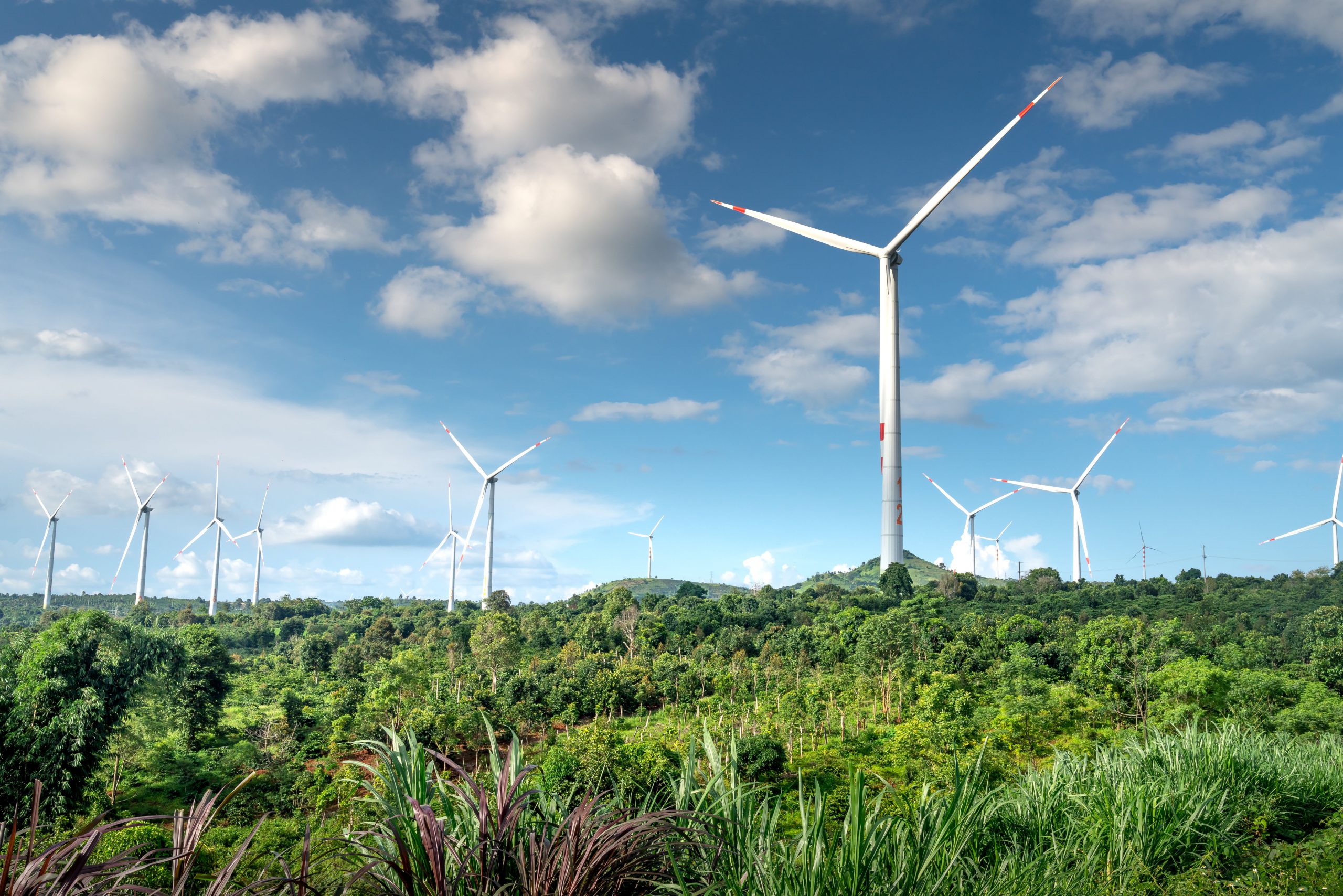
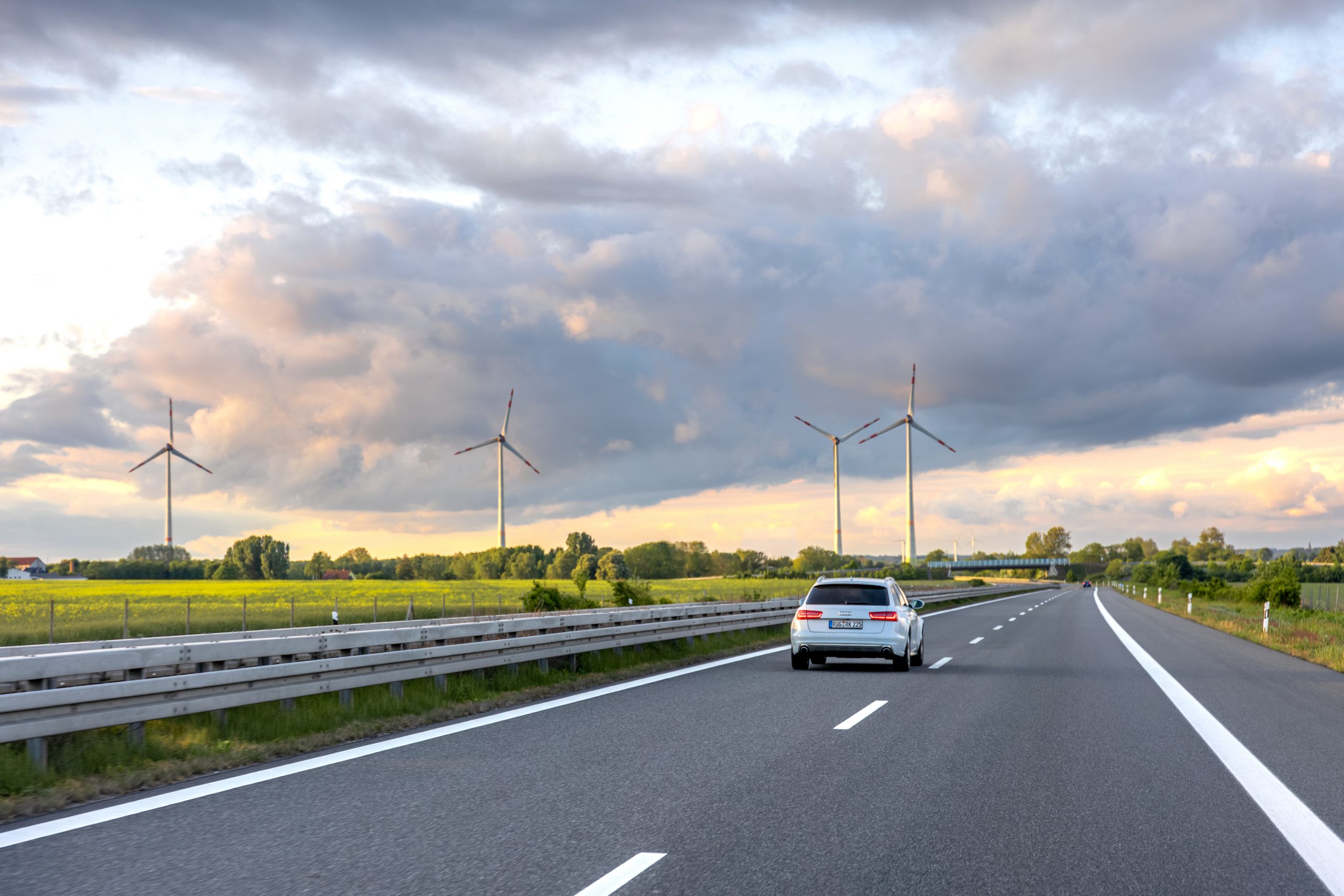
To address these issues, this article puts forward a proposal to introduce cars and motorcycles powered primarily by renewable energy, such as electricity generated from solar, wind, and hydro sources. This initiative will directly reduce reliance on fossil fuels, lower greenhouse gas emissions, and improve air quality. Another potential solution is to improve public transportation systems, including trains, buses, and light rail networks, to reduce the use of private vehicles and encourage sustainable commuting options. However, implementing large-scale public transport improvements requires significant time, financial resources, and urban planning adjustments. In contrast, promoting the adoption of electric vehicles (EVs) and electric motorcycles offers a more immediate and practical solution, as it can change individual behavior while leveraging existing infrastructure.
Currently, fossil fuels remain the dominant source of energy for powering cars and motorcycles, which contributes directly to the emission of greenhouse gases such as carbon dioxide and methane. Transitioning the primary energy source for urban transportation to renewable energy can mitigate these emissions and reduce the environmental impact of daily commuting. Moreover, this shift aligns with SDG 7 (Ensure access to affordable, reliable, sustainable, and modern energy for all) as it increases the share of renewable energy in the transport sector and promotes the use of sustainable energy. Additionally, using renewable energy for transportation contributes to SDG 13 (Climate Action) as it reduces greenhouse gas emissions and harmful pollutants, helping to combat global warming and protect human health.
The proposed initiative in this article is feasible and achievable in the long term, and there are two primary reasons to support this claim. First, organizations such as the ASEAN Centre for Energy (ACE) and various private companies are actively promoting the adoption of renewable energy across the region. These initiatives include incentives for adopting EVs, research funding for renewable energy technologies, and public campaigns to increase awareness of sustainable energy usage. Second, most vehicles in ASEAN countries are Japanese-made, and Japanese automobile manufacturers have been at the forefront of electric vehicle development for many years. Companies like Toyota, Honda, and Nissan have invested heavily in EV technology, making it technically feasible to expand the availability of electric cars and motorcycles in Southeast Asia.
If these efforts are successful, and renewable energy-powered cars and motorcycles become widespread, it is expected that traffic-related pollution and greenhouse gas emissions can be significantly reduced. Air quality will improve, public health outcomes will be enhanced, and the region will make substantial progress toward meeting international climate commitments. Additionally, widespread EV adoption can stimulate local economies by creating jobs in renewable energy production, vehicle manufacturing, charging infrastructure, and maintenance services.
However, there are several challenges to implementing this solution. One major challenge is the need to change public awareness and community behavior. Citizens must develop an interest in environmental issues and be willing to adopt more sustainable commuting practices. This requires public education campaigns, community engagement, and initiatives that demonstrate the benefits of renewable energy and electric vehicles. Another significant challenge is financial support, which is required to support this transition. Governments and the private sectors must provide subsidies, tax incentives, and infrastructure development, such as charging stations, to make renewable energy-powered transportation accessible and affordable for all citizens. Without financial and policy support, widespread adoption may be slow, particularly among lower-income households that cannot afford electric vehicles.
In conclusion, the adoption of renewable energy-powered cars and motorcycles represents a viable and necessary solution to the pressing issues of traffic congestion, air pollution, and greenhouse gas emissions in ASEAN’s major urban centers. This initiative directly contributes to SDG 7 and SDG 13 by promoting sustainable energy usage and mitigating climate change, while also improving public health and urban livability. Despite challenges such as public awareness and economic investment, the long-term benefits for society, the environment, and the economy are significant. Through collaborative efforts involving governments, businesses, and citizens, ASEAN cities can transition from fossil-fueled vehicles to a cleaner, more sustainable transportation system. By combining technological innovation, policy support, and public engagement, it is possible to reduce environmental impacts, enhance energy sustainability, and create a future where urban mobility no longer compromises the health of the planet or its inhabitants. This approach not only addresses immediate transportation issues but also sets the foundation for a resilient and environmentally conscious region, in line with global sustainability goals.
Ai Suzuki is a student at the School of Science, Department of Chemistry, Institute of Science Tokyo. He is a participant in the BESTS 2025 Programme (Building Entrepreneurial Mindset for Sustainable Technology and Society), a student exchange initiative between Sampoerna University and the Institute of Science Tokyo. The ASEAN Centre for Energy, through the ASEAN Climate Change and Energy Project (ACCEPT), contributes to this programme as part of its youth engagement initiative.
The views, opinions, and information expressed in this article were compiled from sources believed to be reliable for information and sharing purposes only, and are solely those of the writer/s. They do not necessarily reflect the views and opinions of the ASEAN Centre for Energy (ACE) or the ASEAN Member States. Any use of this article’s content should be by ACE’s permission.