Clean Energy for Safer Needles: A Sustainable Prototype for Insulin Needles Waste Reduction and Climate Action

by Kanon Watanabe
7 April 2026
Introduction
Diabetes is often called a “silent killer” as it can progress unnoticed by patients. In addition, it causes severe complications like cardiovascular disease or kidney failure. In Indonesia, there are about 20 million people with diabetes. It means that roughly 11% of the population in Indonesia is currently living with this disease. It is one of the biggest causes of death in ASEAN. For instance, 8.0% of people living in Brunei have diabetes, and its rate is the highest in ASEAN countries. Following in the second place is Indonesia, with around 6.1% of its people suffering from diabetes. This indicates that this issue is no longer a personal problem. This chronic illness has become a major public health concern.
For many patients with diabetes, insulin injections are their lifelines. A patient is required to inject insulin three times a day, and for each injection, a new needle is used. As a result, a patient needs three needles daily. That is more than 1000 needles per year for one patient.
Now, a serious problem arises when the used needles and other medical waste resulting from one injection are often not properly disposed of. Improper disposal of medical waste, like used needles, can be a source of infection. Moreover, they may cause environmental issues such as soil and water contamination. In Indonesia, only 27% of medical institutions can meet the standards for medical waste management. This is alarming and highlights the urgent need to change this situation. This article elaborates on a proposed model of a patient-friendly system of needle recycling that also involves the community.
Prototype of Recycling Insulin Needles
The proposed model consists of two main components: safety and circularity. These ideas aim to improve the waste management of used insulin needles and their recycling system. First, the insulin injection tools should be coated with antibacterial polymers. In addition, to collect used insulin needles, drop-off collection boxes should be installed for reusing the needles not only in pharmacies but also in public facilities, such as convenience stores, supermarkets, and department stores. The drop-off boxes have solar panels to utilize solar energy for sterilizing the used insulin needles. This can contribute to SDG 7 (Clean and Affordable Energy). Moreover, the recycling of the used needles is done safely. They will not be burned, so they will not increase the CO2 emissions. This can contribute to SDG 13 (Climate Action).
Innovation in Action
The proposed model has two aspects. One is the insulin needles themselves, and the other is the collection system. Firstly, to reduce the risk of infection when collecting the insulin needles, the needles must be covered with antibacterial polymers. Antibacterial polymers can kill viruses or bacteria and have large molecules. This can prevent infection from viruses and bacteria. To reduce the cost, we utilize chitosan derivatives. Chitosan derivatives are substances derived and partially modified from crustaceans. Chitosan derivatives can safely stay inside our bodies without causing harm. So, they are biocompatible and environmentally friendly, making them safer to use.
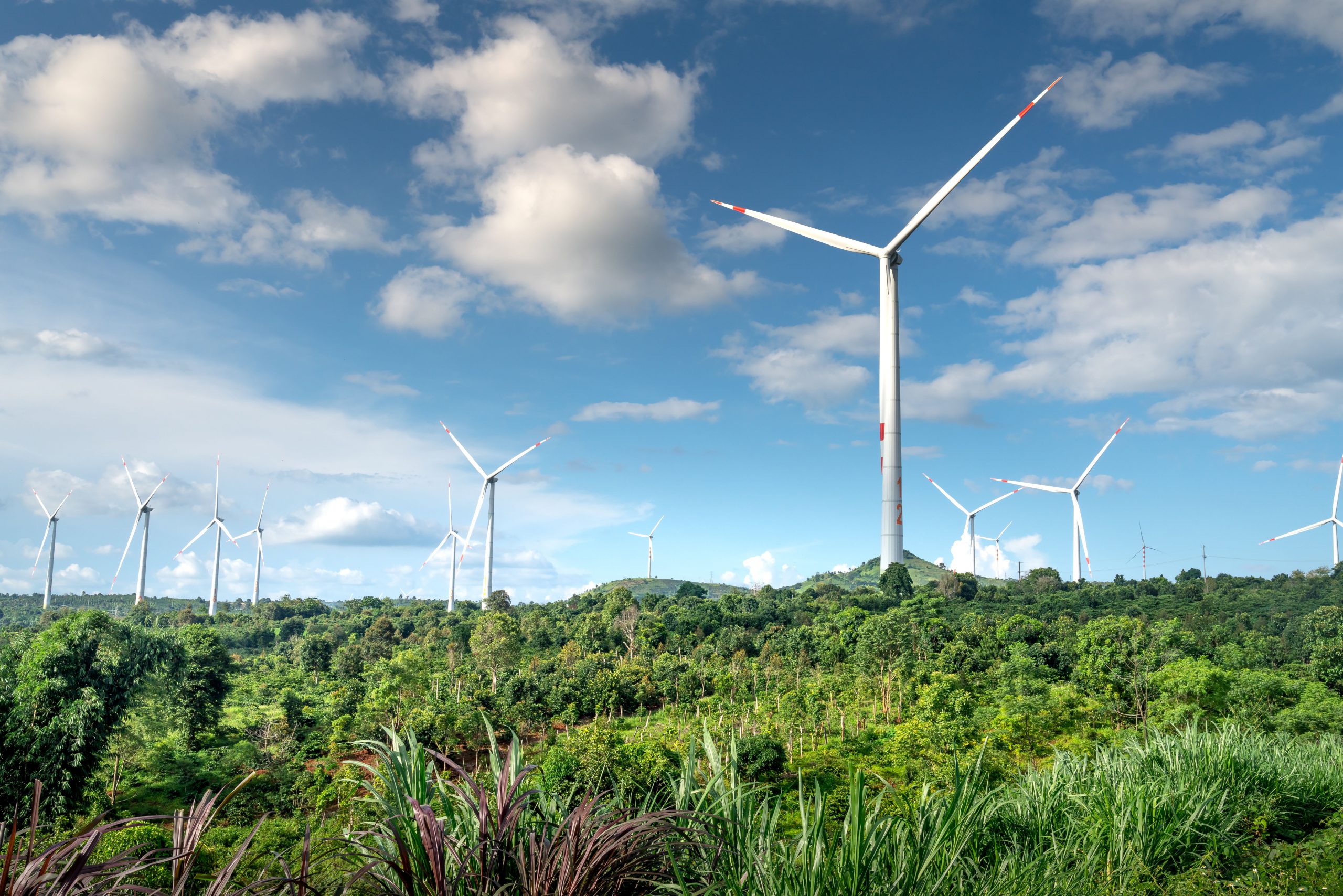
Secondly, the needle collection system. To reduce the burden on patients, the drop-off collection boxes are installed not only in pharmacies but also in public facilities such as convenience stores, supermarkets, and department stores. Inside collection boxes, a photocatalyst layer is used to remove bacteria and viruses with sunlight. During the daytime, the collection boxes will run on solar energy to sterilize the contents through photocatalytic reactions. At night, the stored energy powers the UV lights to complete the sterilization process as effectively as the sunrays during the day. Through this process, needles can become clean and recyclable. In addition, this system reduces energy consumption and helps lower CO2 emissions. This is because it uses a completely non-thermal treatment method.
This proposed model uses a QR code authentication system linked to a website. Before throwing the needles into the drop-off box, patients must scan the QR code and enter some information on the website, including names, dates of the drop-off, and the number of insulin needles being dropped off. Then the patients go to the drop-off box and scan the QR code again. After scanning the QR code, the drop-off box opens, and they can throw in the needles. If the number of needles thrown in matches the number they previously entered on the internet, they can get some points. This security system helps prevent theft or misuse. These points can also be used to pay for public transportation. By doing so, this reduces the burden on patients. This model represents an innovative approach because the used needles can be reused by utilizing reusable energy without burning them.
Why It Matters
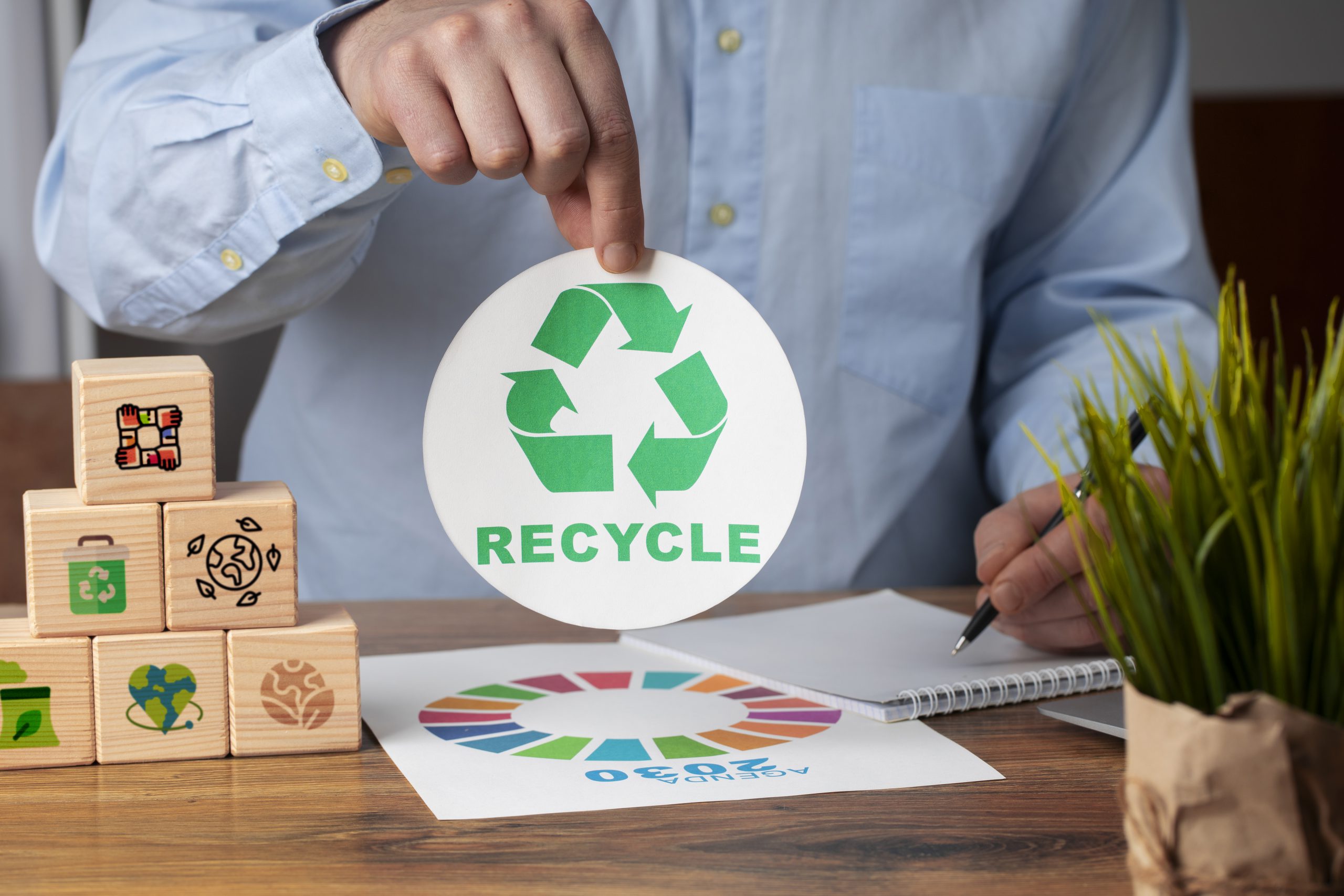
This proposed model is important because it contributes to achieving SDG 7, SDG 13, and SDG 12. This proposed solution does not need an external power supply because it utilizes solar power. This model can be used in urban and rural areas. This contributes to achieving SDG 7. Second, it reduces CO2 emissions because of the non-thermal process used to kill viruses, which contributes to SDG 13. Additionally, from the perspective of recycling, it also contributes to achieving SDG 12. Moreover, this proposed model can prevent the spread of infection from used needles with improper disposal and prevent environmental contamination. Thus, it can help improve people’s quality of life. Furthermore, the idea of establishing service points in the form of drop-off boxes in public or commercial areas can change the way people think easily, and it is not just about the technology used and its convenience, but also about saving lives.
Scalability and Feasibility
This model is highly compatible and can be widely expanded. The drop-off box can be placed not only in pharmacies but also in commercial facilities such as convenience stores and supermarkets. The availability in those public places makes it easy for the patients to get the reused needles safely and cheaply. Besides, the drop-off boxes in commercial facilities can attract public attention, and, eventually, the idea of reusing insulin needles will spread to the public easily. The boxes serve as a medium of public education on diabetes and its treatment. Secondly, the QR code system can run at a lower cost. Many people have smartphones, so the cost of using this model is very cheap.
There are already systems that are similar to this model. For example, the Indonesian UNDP and the Ministry of Health have collaborated to create a WMIS system that manages medical waste through the Internet. This contributes to reducing CO2 emissions. Those similar systems reflect the feasibility of the proposed model for reusing used insulin needles. Furthermore, the drop-off box and reward point system can increase people’s motivation and participation for a long time. They can help maintain higher needle collection rates.
However, to realize this prototype, several challenges remain. They include power shortage risks during rainy seasons, security risks in the places where the drop-off box is installed, and the financial risks related to the availability of operational budget, including maintenance. During the rainy season or bad weather, the proposed model can be manually charged using the stored solar energy to maintain the minimum required energy.
For security, the QA code system provides clear identification of who submits the used needles and prevents unauthorized access. Also, the drop-off boxes will be installed in public areas covered by surveillance cameras. By doing so, users can feel safe to utilize the used needles. Furthermore, some staff should be employed and receive proper training to handle the maintenance of the system and the hardware.
Finally, from a financial perspective, the model needs a simple design of the drop-off boxes, cheaper rental fees to install the boxes, and secure continuous funding from local governments and institutions, and CSR programs of big enterprises. Most operational activities are conducted online to reduce operational costs. Social media like Instagram, TikTok, X, and Facebook can be utilized to set up effective promotional campaigns not only to educate the general public about diabetes and its treatment, but also to promote the benefits of the drop-off box mechanism and the safety of the reused needles. The increase in the number of followers can attract more people to participate in the program, so that more used insulin needles are collected and reused.
Conclusion
Thomas Alva Edison, the famous inventor, once said, “I have not failed. I have just found 10,000 ways that will not work.” This proposed model is just one of the ways to improve the quality of life through daily management and improvement for people with diabetes. The model offers a feasible way to help ASEAN countries solve their problems with diabetes, and, simultaneously, the model aligns with the SDGs. This model proposes a small change in life, beginning with a simple action of proper needle disposal and ending with the hope of saving other people’s lives and making our communities safer and more secure.
Kanon Watanabe is a student at the School of Materials and Chemical Technology, Department of Materials Science and Engineering, Institute of Science Tokyo. He is a participant in the BESTS 2025 Programme (Building Entrepreneurial Mindset for Sustainable Technology and Society), a student exchange initiative between Sampoerna University and the Institute of Science Tokyo. The ASEAN Centre for Energy, through the ASEAN Climate Change and Energy Project (ACCEPT), contributes to this programme as part of its youth engagement initiative.
The views, opinions, and information expressed in this article were compiled from sources believed to be reliable for information and sharing purposes only, and are solely those of the writer/s. They do not necessarily reflect the views and opinions of the ASEAN Centre for Energy (ACE) or the ASEAN Member States. Any use of this article’s content should be by ACE’s permission.