Improving Waste-to-Energy Efficiency through Household-Level Waste-Sorting: An Accessible Technology-Assisted Behavior Shift to Complement ASEAN’s Energy Transition

by Aiesha Dien Shakira
20 February 2026
Introduction
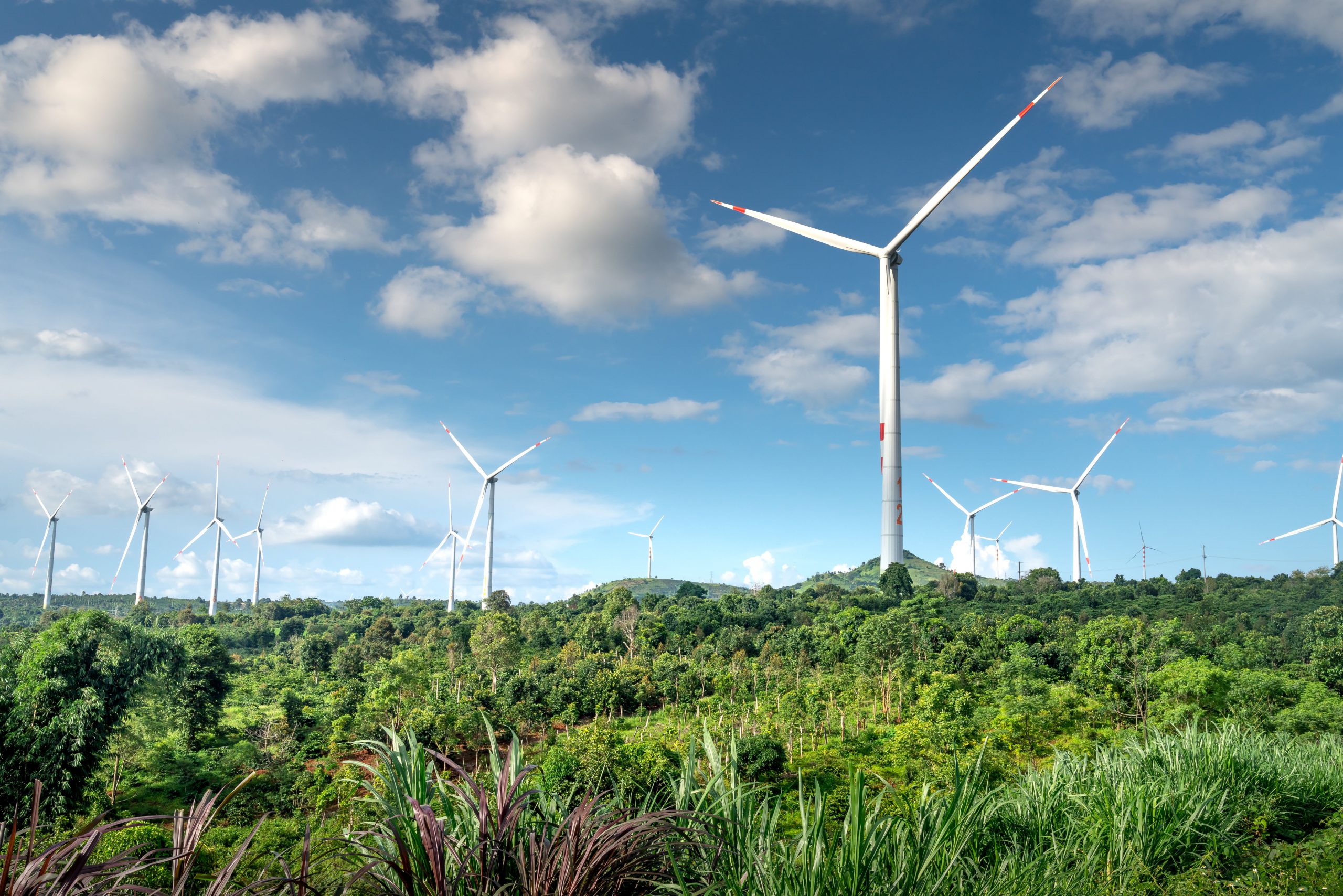
ASEAN has a significant need for energy transition as the energy demand is projected to increase twofold by 2040, reflecting the region’s economic growth, while challenges such as climate change and limited resources are imminent (ACE, 2020). Currently, one of the solutions used to fulfill the demand for cleaner energy in ASEAN is Waste-to-Energy (WtE) treatments, which convert Municipal Solid Waste (MSW) to energy. However, this method of energy production efficiency is hindered by the quality of waste gathered at the end of the waste stream. The MSW generated in ASEAN is highly composed of organic waste (51%) and contains high moisture content, which reduces the efficiency of WtE treatments (Tun et al., 2020). Addressing the organic waste problem requires public behavior change from households by enhancing how they treat their waste through education. This article explores how an inventory management app can promote public behavior change by educating households to manage, redistribute, and sort the food in their inventory, complementing ASEAN’s energy transition by enhancing WtE efficiency, which aligns with SDG 7 (Affordable and Clean Energy) and SDG 13 (Climate Action goals) (United Nations, 2015).
The Problem
As a region, ASEAN countries generate around 150 million tons of MSW per year. This number is projected to double in 2030 following the economic growth (GGGI, 2023). A significant chunk of this waste originates from households, as shown in several ASEAN member countries. In Indonesia, 43.3% of waste comes from the country’s households. Additionally, 41.1% of this waste is leftover food (Sugiharto, 2023). In Malaysia, 65% of the generated MSW also comes from households, and they commonly fail to segregate their produced waste (Bhwana, 2024). Similarly, 83% of the MSW that is produced by households in Thailand’s capital city, Bangkok, is organic waste, and most of them are unsorted due to a lack of knowledge and skills (Pottinger-Glass et al., 2022). The MSW derived from households is also known to be more arduous to process in WtE facilities, mostly because they are unsorted and have high moisture. For example, the quality of MSW to be processed in Indonesia is discovered to be lower than the requirement for efficient incineration due to the high moisture content of waste, especially that of the households (Suryanto et al., 2022). This less-than-efficient incineration causes the WtE processing plants to spend more time and energy on drying the MSW, which can reduce their output and raise emissions (Kasa et al., 2018). Thus, the advancement of WtE infrastructure in ASEAN can be accompanied by improving the quality of waste which is derived from the households, so that the infrastructure’s expected performance can be fully realized.
The Idea
From the said problems, ASEAN countries need to take more thorough community development in managing their household waste. This public action can be supplemented with a widespread, accessible, and personalized education that can assist households in managing their inventory to reduce organic waste and sorting their household waste. Considering how the surrounding region’s smartphone adoption will rise to about 94% by 2030 (Shawn, 2023), a mobile app can be suitably developed and used to introduce ASEAN households to managing household solid waste inventory and integrating it with the existing circular economy structures that can reduce and/or process the household’s waste, such as waste banks and food banks.
To supply the ASEAN households with additional knowledge and skills in managing household inventory, an AI-powered shelf-life estimation feature in the app can alert households before items in their inventory expire. This can reduce food waste and eventually reduce the amount of wet organic waste that enters the waste stream. In addition, the app can track what items are in the user’s inventory and provide specific instructions and methods to dispose of different types of waste. Both features can result in a higher quality of waste input, increasing the efficiency and yield of WtE power plants by minimizing the moisture in wastes and saving energy, which is used in the sorting process of the power plants.
Then, to integrate ASEAN households with existing circular economic structures, the app may have a feature that connects users to existing sustainable systems, such as food banks and waste banks. Users can donate their overstocked food items to the nearest local food bank, which may help increase food security in local areas. Additionally, users who want to dispose of their waste may also be directed to the nearest local waste bank. Their contributions and revenue earned from both food bank and waste bank-related activities may also be recorded and displayed within the app to incentivize users to be more conscious of their household’s inventory. These features can help users reduce organic waste from their households, improving the quality of MSW for a more efficient production of energy in WtE treatment facilities.
Finally, to ensure the accessibility and willingness of adoption of this app for all ASEAN citizens, especially low-income households, this app may be sustained by in-app advertising and remain free for users who will use the app. This allows for waste sorting education to be widespread, leading to more efficient and effective WtE facilities in ASEAN.
The Connection to Sustainable Development Goals (SDGs)
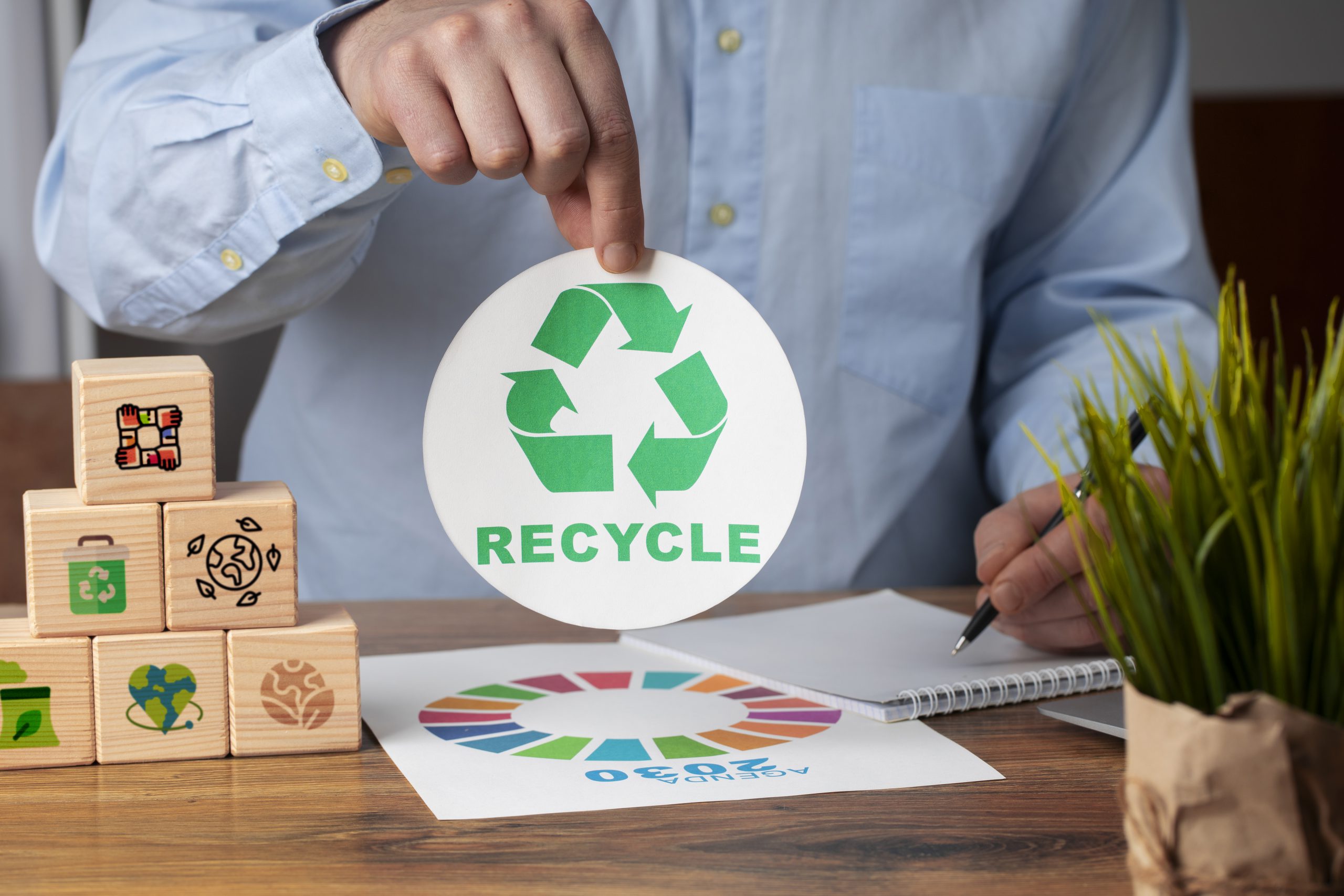
This app may support three main SDGs of the United Nations (UN), such as SDG 7 (Affordable and Clean Energy), SDG 13 (Climate Action), and SDG 12 (Responsible Consumption and Production). This is apparent with the app’s capability to help improve WtE’s sustainable energy efficiency, reducing landfill burden and energy wasted in inefficient incineration, and encouraging each household to manage its inventories properly through sustainable habits. Additionally, it may also take part in SDG 2 (Zero Hunger) and SDG 4 (Quality Education), which is apparent with one of the app’s features of redistributing unconsumed food to food banks and providing impactful education towards individual households, respectively (United Nations, 2015).
The Challenges
One of the major challenges in improving the quality of household waste is public participation. This is apparent in Bangkok, where households show willingness to sort waste but are halted by their deprivation of education, convenience, and incentives (Pottinger-Glass et al., 2022). Similarly, in Malaysia, challenges such as irregular waste collection services are also present (Bhwana, 2024). These challenges require thorough attention to ensure that households are willing to sort waste, improving WtE treatment energy efficiency and yield. The solid waste management system should also be improved, as it is not only requiring waste segregation from the source, but also at the end of pipe, where advance facilities such as recycling centre and composting centre need to be established to further accelerate the product life cycle. Indeed, financial support is highly required for initial investment in supporting the overall process of an integrated solid waste management system.
The Call for Action
Despite the challenges, improving public behavior across ASEAN households will improve and complement the endeavor to transition to cleaner energy in the region. Millions of households present in the region may be able and willing to improve the quality of their waste, helping WtE facilities generate more energy with lower emissions. This can be done by providing households with accessible, personalized, and incentivized educational tools that are scalable to existing infrastructures, such as food banks or waste banks, close to their daily life. Furthermore, energy supply and demand that will be coming from WtE power plant should also be considered during the life cycle of the power plant. The government needs to ensure that the power plant shall fulfill the customer’s demand on electricity before establishing a mass project. Thus, a pilot project for a small-scale WtE powerplant is needed for trial and error. As a result of this exposure, in the long run, ASEAN citizens may develop a lasting culture of sustainability, which can help with further endeavors in energy transition.
Aiesha Dien Shakira is a student from the Faculty of Engineering and Technology (FET), Department of Industrial Engineering at Sampoerna University. She is a participant in the BESTS 2025 Programme (Building Entrepreneurial Mindset for Sustainable Technology and Society), a student exchange initiative between Sampoerna University and the Institute of Science Tokyo. The ASEAN Centre for Energy (ACE), through the ASEAN Climate Change and Energy Project (ACCEPT), contributes to this programme as part of its youth engagement initiative.
The views, opinions, and information expressed in this article were compiled from sources believed to be reliable for information and sharing purposes only, and are solely those of the writer/s. They do not necessarily reflect the views and opinions of the ASEAN Centre for Energy (ACE) or the ASEAN Member States. Any use of this article’s content should be by ACE’s permission.