
Jakarta, 28 July 2026
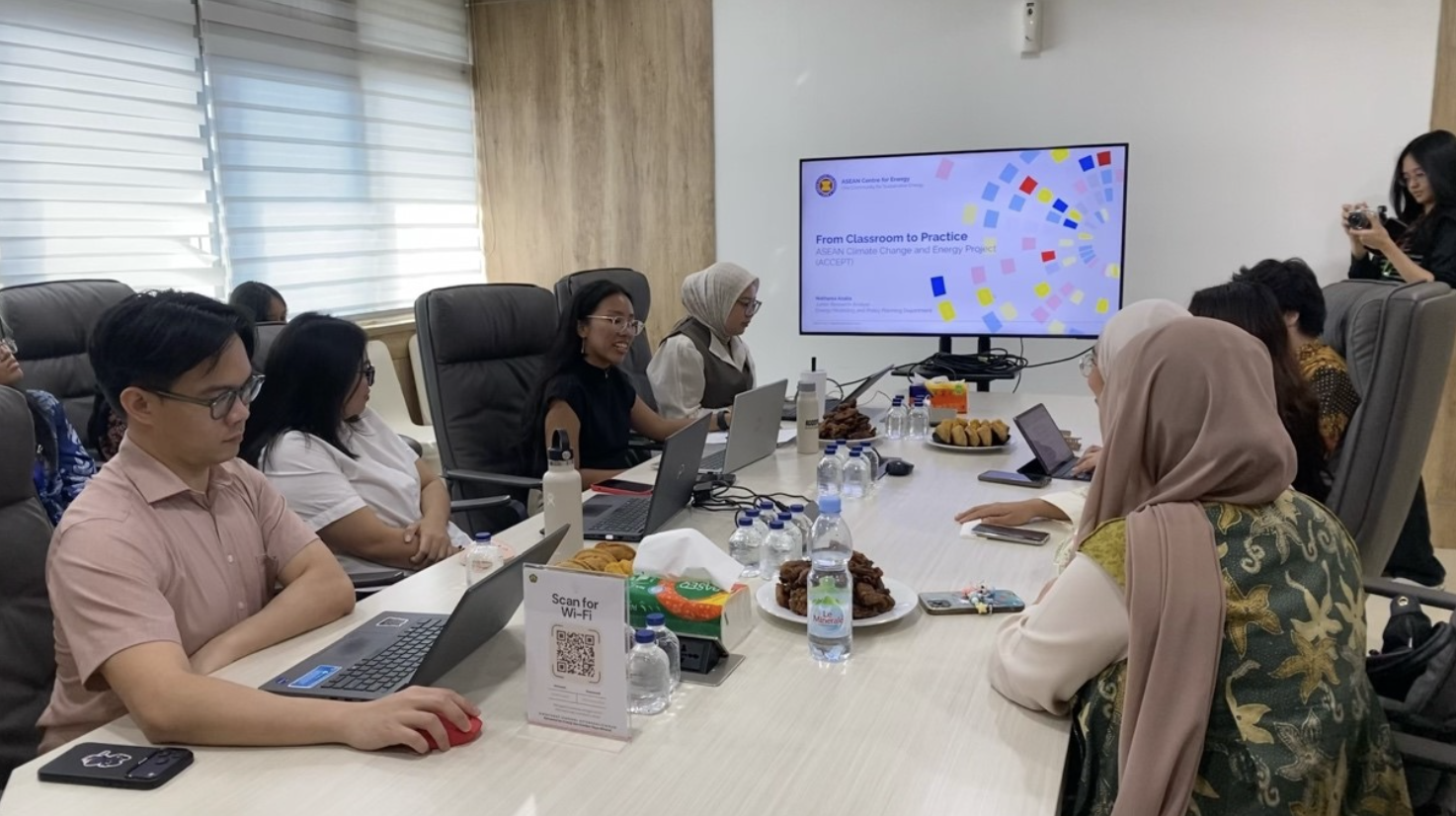
Photo 1. ISAFIS delegates and ACE representatives gather for a comprehensive discussion on ASEAN energy cooperation and diplomacy.
Jakarta, 28 July 2026 – The ASEAN Centre for Energy (ACE) welcomed fifteen delegates from the International Student Association for Foreign Affairs Studies (ISAFIS) for a comprehensive session on ACE’s mandate, ASEAN energy cooperation, current regional energy issues, and career pathways in international organisations.
The meeting commenced with an Introduction to ACE and APAEC, presented by Aurelia Syafina Luthfi, Junior Officer of the APAEC Department. She outlined ACE’s three mandated roles as a catalyst for regional sharing platforms, a knowledge hub for data, and a think tank producing research, all guided by the ASEAN Plan of Action for Energy Cooperation (APAEC) blueprint. She highlighted the upcoming APAEC 2026-2030 regional targets delivered across seven programme areas.
Transitioning from regional targets to practical implementation, the session continued with From Classroom to Practice: ASEAN Climate Change and Energy Project (ACCEPT) by Nathania Azalia, Junior Research Analyst of ACCEPT II and the Energy Modelling and Policy Planning Department at ACE. Addressing a common question about why an International Relations graduate would pursue a career in energy, she shared her own professional journey. Her academic path initially focused on traditional security, including a thesis on semiconductor geopolitics, before an exchange program at the University of Sussex and an internship in an international organisation introduced her to the climate-energy nexus.
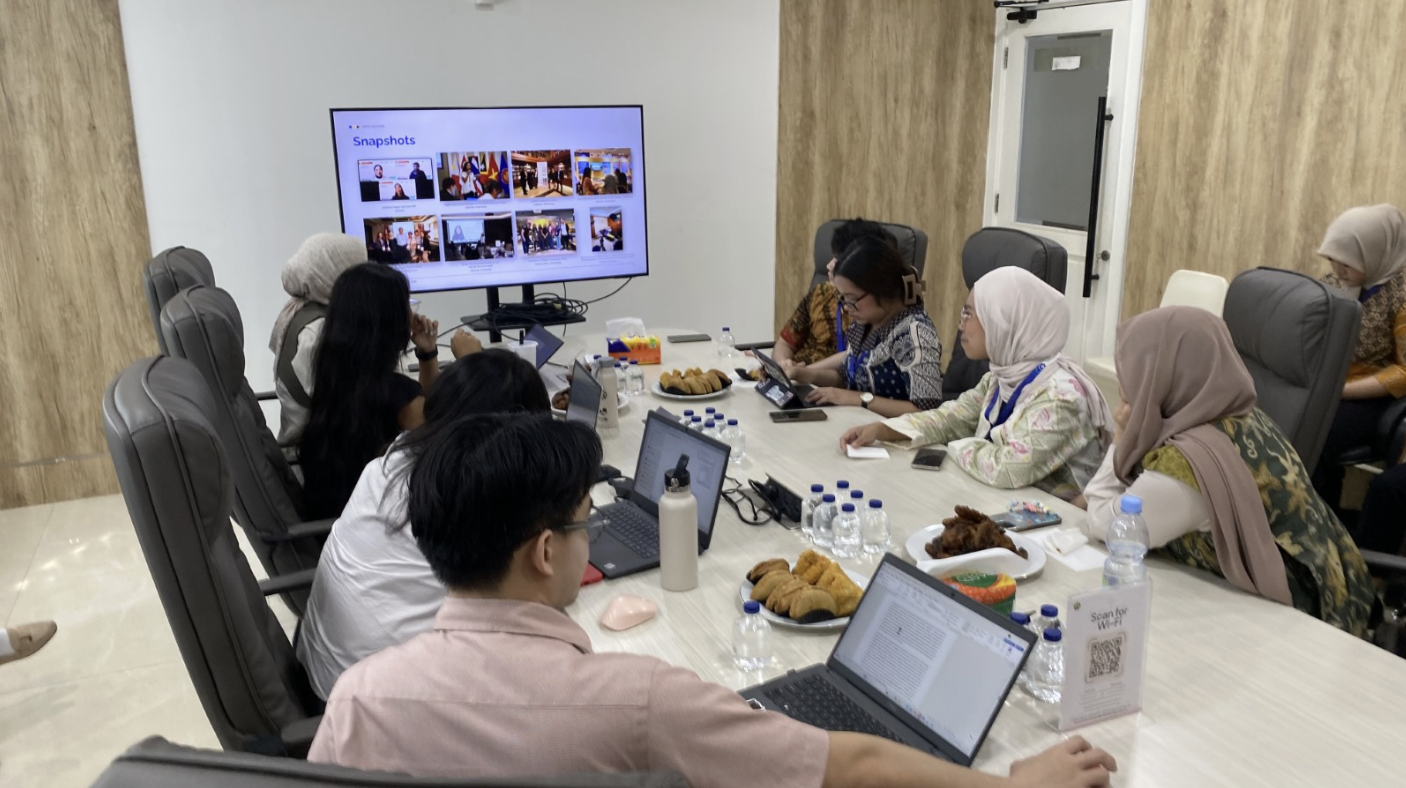
Photo 2. Introduction to the ACCEPT II.
She emphasised a core message to the delegates: energy is not a departure from IR, but rather, it is a practical application of it. The same forces that traditional diplomacy navigates, competing against national interests, uneven capacities, and the pursuit of consensus, are central to regional energy cooperation. Securing agreements on shared grids or climate targets requires the exact negotiation and coordination skills inherent to IR training.
She explained that ACCEPT II is built on this premise, treating energy and climate as an interconnected issue rather than separate silos. The project supports ASEAN member states and ASEAN’s capacity to transition to low-carbon energy systems and contribute to carbon neutrality or a net zero future. Funded by the Norwegian Ministry of Foreign Affairs and jointly executed by ACE and the Norwegian Institute of International Affairs (NUPI), the project actively fosters engagement through dialogues like the ASEAN Energy Gender Week and ASEAN Methane Week, bringing diverse stakeholders together to address specific thematic issues. On the research front, ACCEPT II drives evidence-based policymaking through regular publications, including the annual Gender Equality in ASEAN Energy Booklet, policy briefs, and various thematic reports. She left the delegates with a clear takeaway: driving these concrete outcomes requires the ability to translate technical complexity into actionable policy, proving that non-technical backgrounds are a vital asset in the energy transition.
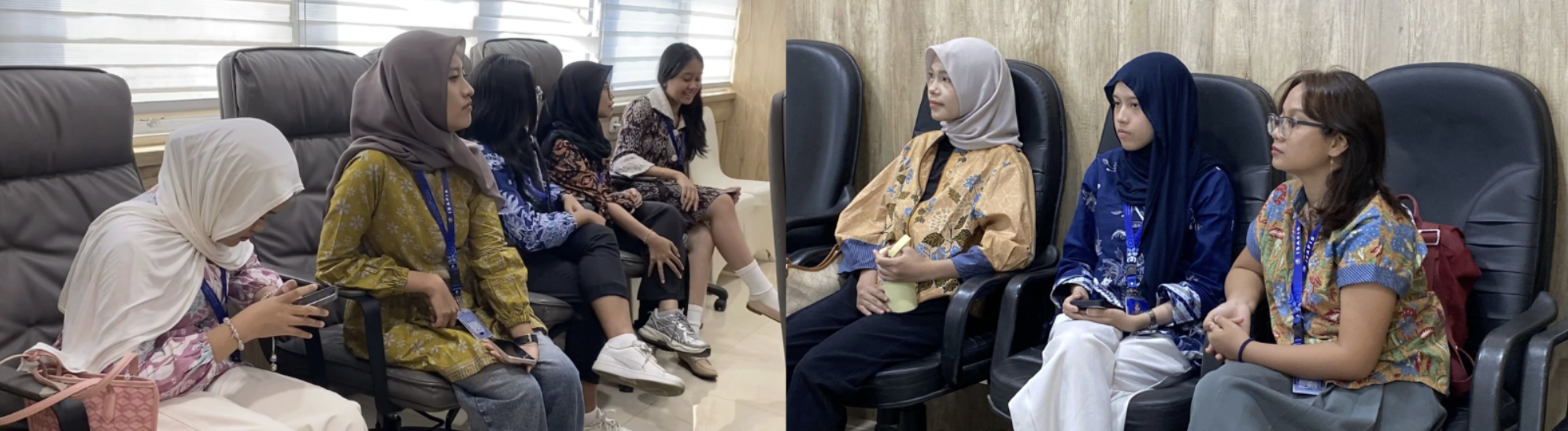
Photos 3 and 4. Participants from the ISAFIS delegation following the discussions during their educational visit to the ASEAN Centre for Energy.
The discussion then shifted to regional vulnerabilities with Raysieo Duakin, Senior Research Analyst at the Fossil Fuels, Hydrocarbon, and Minerals Department, presenting Energy Diplomacy in ASEAN: Middle East Geopolitics and Regional Energy Security. He highlighted ASEAN’s continued dependence on oil and gas imports, particularly from the Middle East, making the region’s transport and electricity sectors highly exposed to global supply shocks and price fluctuations.
The final session, Working at ACE: Career Journey and Life in an International Organisation, brought the focus back to career development. Siti Shafira, Officer of the APAEC Department at ACE, further dismantled the assumption that an engineering degree is mandatory to work in the energy sector. Sharing her trajectory from studying political science at Universitas Indonesia and working on public policy at BAPPENAS to her roles with the UN in Mongolia and JICA Indonesia, she demonstrated how skills in project management and policy coordination are highly transferable across sectors.
An interactive Q&A session followed, touching on ACE’s role in providing technical assistance, catalysing energy cooperation, and supporting knowledge sharing. To support Member States’ energy transition, ACE provides technical assistance, such as helping Lao PDR develop a country report projecting its decarbonisation pathway towards 2050 through An Energy Sector Roadmap to Net Zero Emissions for Lao PDR. Furthermore, progress is continuously monitored through flagship publications like the ASEAN Energy Outlook (AEO) and dialogues such as the annual ASEAN Subsector Meetings.
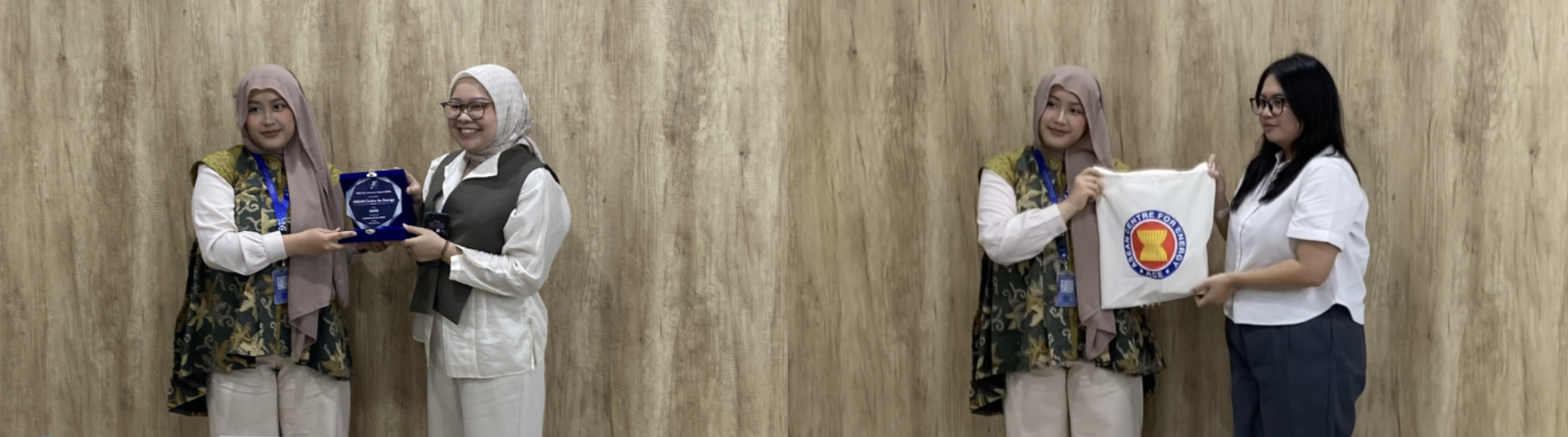
Photos 5 and 6. Handover of tokens of appreciation from ISAFIS to ACE (left) and from ACE to the ISAFIS delegation (right)
Overall, the visit provided ISAFIS delegates with a comprehensive understanding of regional energy cooperation. It highlighted the essential institutional architecture provided by ACE, the importance of treating energy and climate as an interconnected policy space, and the diverse, multidisciplinary career pathways required to drive the ASEAN energy transition forward. Ultimately, the session reaffirmed ACE and ACCEPT II’s strong commitment to youth engagement, underscoring their ongoing initiatives to empower the next generation of leaders in shaping a sustainable energy future for the region.
** Join our ASEAN Researchers Network on Climate Change (ARNECC) by registering yourself here. Become a part of our collaborative efforts to address pressing climate challenges and shape a sustainable future.
Detailed information on ACCEPT II can be found at https://accept.aseanenergy.org/
Follow our social media to stay updated on ASEAN’s energy-climate nexus and ACCEPT activities.