
Bangkok, 19-21 August 2025
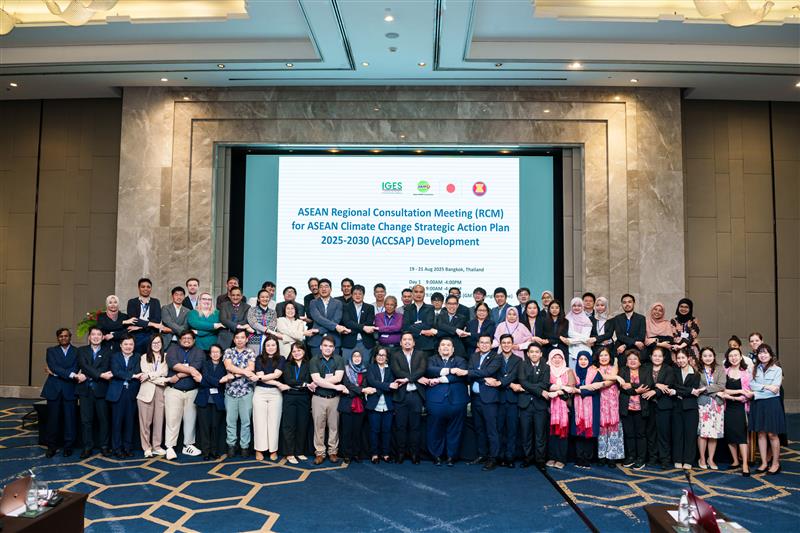
Photo 1. All Participants of ASEAN-RCM for ASEAN Climate Change Strategic Action Plan 2025-2030 (ACCSAP Development)
Bangkok, 19-21 August 2025 – As ASEAN confronts the pressing challenge of climate change, regional discussions are intensifying on how to meet the 1.5-degree goal. Among these efforts are multistakeholder dialogues, where sectoral institutions sitting together and speaking their thoughts to minimise the impact of climate change, especially in high-risk areas in Southeast Asia. Such dialogues not only involve those directly contributing to emissions, but also ensure that communities most affected are not left behind.
In the energy sector, one of ASEAN’s key regional initiatives is the ASEAN Climate Change and Energy Project (ACCEPT), a collaborative project between the ASEAN Centre for Energy (ACE) and the Norwegian Institute of International Affairs (NUPI) to support ASEAN member states to transition to low carbon energy system and contribute to carbon neutrality or a net zero future.
Other landmark initiatives include the ASEAN State of Climate Change Report (ASCCR), published in 2021, serves as the first comprehensive report synthesising the current status and actions related to climate change across the ASEAN region. To translate the high-priority into specific regional activities, the report is then delivered into the ASEAN Climate Change Strategic Action Plan (ACCSAP) 2025-2030 – a roadmap and strategic official action plan for addressing climate change in ASEAN up to 2030.
To support the establishment of ACCSAP 2025-2030, the ACCSAP Secretariat, led by the Institute for Global Environmental Strategies (IGES), organised the first ASEAN Regional Consultation Meeting (ASEAN-RCM) for ACCSAP Development in Bangkok, Thailand on 19-21 August 2025. The meeting was co-organised by the ASEAN Secretariat and attended by ASEAN Working Group on Climate Change (AWGCC) National Focal Points, national think-tanks, ASEAN Sectoral Bodies, ASEAN Centres and Facilities, ASEAN Dialogue and Development Partners, as well as regional NGOs/CSOs. This multistakeholder approach is central to achieving ACCSAP’s key objective: integrating and coordinating climate-related action across ASEAN’s sectoral and cross-sectoral bodies.
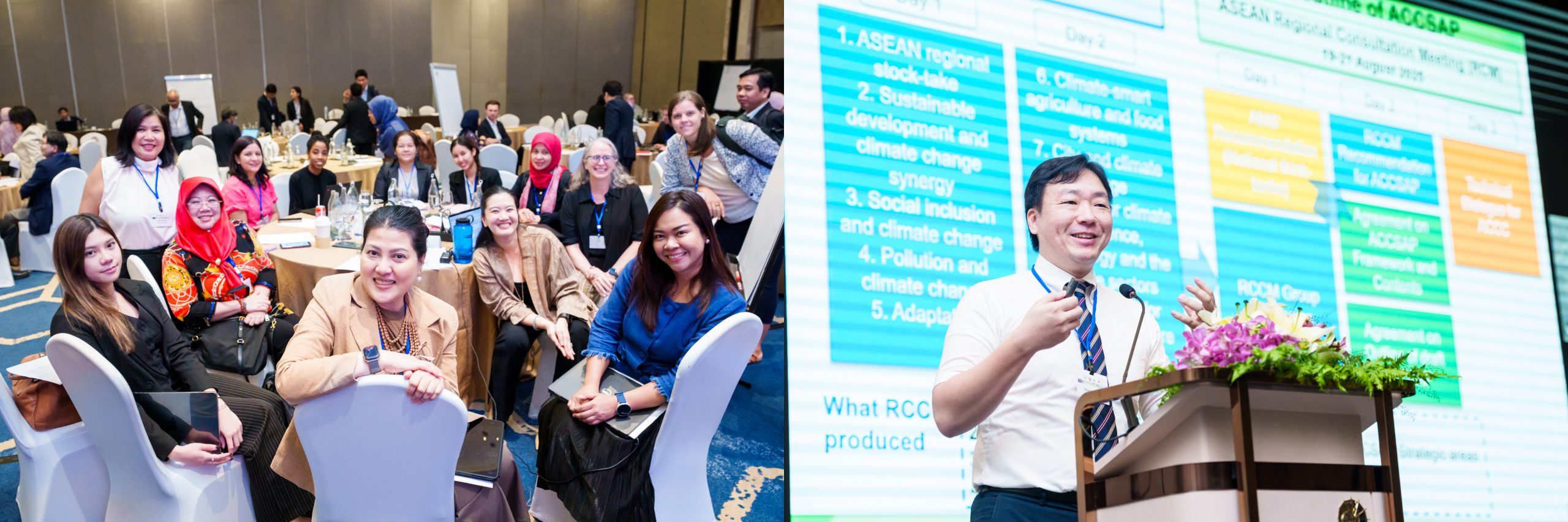
Photo 2. (left) Participants from Roundtable Discussion; and (right) Dr Yosuke Arino, Program Manager of ACCSAP.
On this occasion, the ASEAN Climate Change and Energy Project wasinvited to present and share information regarding the ASEAN Centre for Energy’s alignment with the ASEAN Climate Change Centre. The session, delivered by Aldilla Noor Rakhiemah, Project Manager of ACCEPT II, highlighted potential collaboration between the centres and their alignment with global and regional frameworks. She also mentioned potential cooperation areas under the new theme of the ASEAN Plan of Action for Energy Cooperation (APAEC) 2026-2030 which encompasses energy security and resiliency, just and inclusive energy transition, and other cross sectoral priorities. Beyond the presentation, ACCEPT II actively contributed to discussions by sharing relevant experiences on the energy–climate nexus in ASEAN.
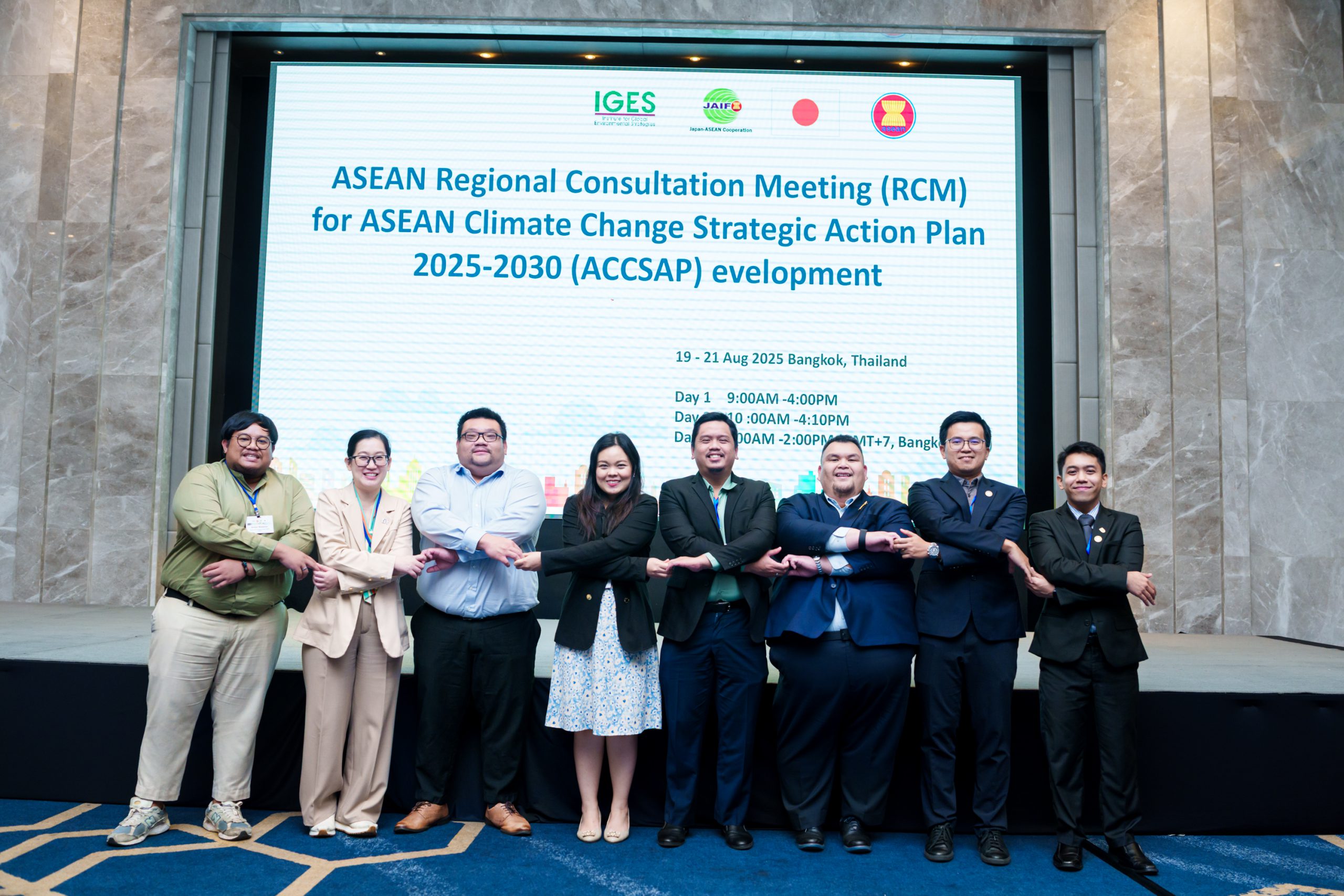
Photo 3. Participants of ASEAN-RCM for ACCSAP Development posing in the ASEAN Way.
The three-day consultation workshops was designed to finalise the ACCSAP’s overall framework and contents, including strategic areas, specific programs, implementation mechanism and agencies, funding sources, and coordination arrangements in a crosscutting manner. On the first day, each ASEAN Member States were given opportunity to present their recommendations for ACCSAP based on the national needs and priorities. The regional discussion on cross-cutting matters was done to integrate and harmonise strategic areas. On the second day, the recommendations from each track were taken as the result of a roundtable discussion which was divided into 10 sectoral groups and drawn into the outline draft of ACCSAP. On the final day, participants explored the mandate of the ASEAN Centre for Climate Change and mapped synergies with other ASEAN Centres and Facilities, while also discussing research areas and functions for the ACCC in relation to ongoing and future programmes.
Looking ahead, the outcomes of the consultation will feed into the finalisation of ACCSAP strategies and mechanisms to accelerate the region to pursue a greener and low carbon emissions future.
(IP)
**
Join our ASEAN Researchers Network on Climate Change (ARNECC) by registering yourself here. Become a part of our collaborative efforts to address pressing climate challenges and shape a sustainable future.
Detailed information on ACCEPT II can be found at https://accept.aseanenergy.org/
Follow our social media to stay updated on ASEAN’s energy-climate nexus and ACCEPT activities.