
Jakarta, 19 October 2026
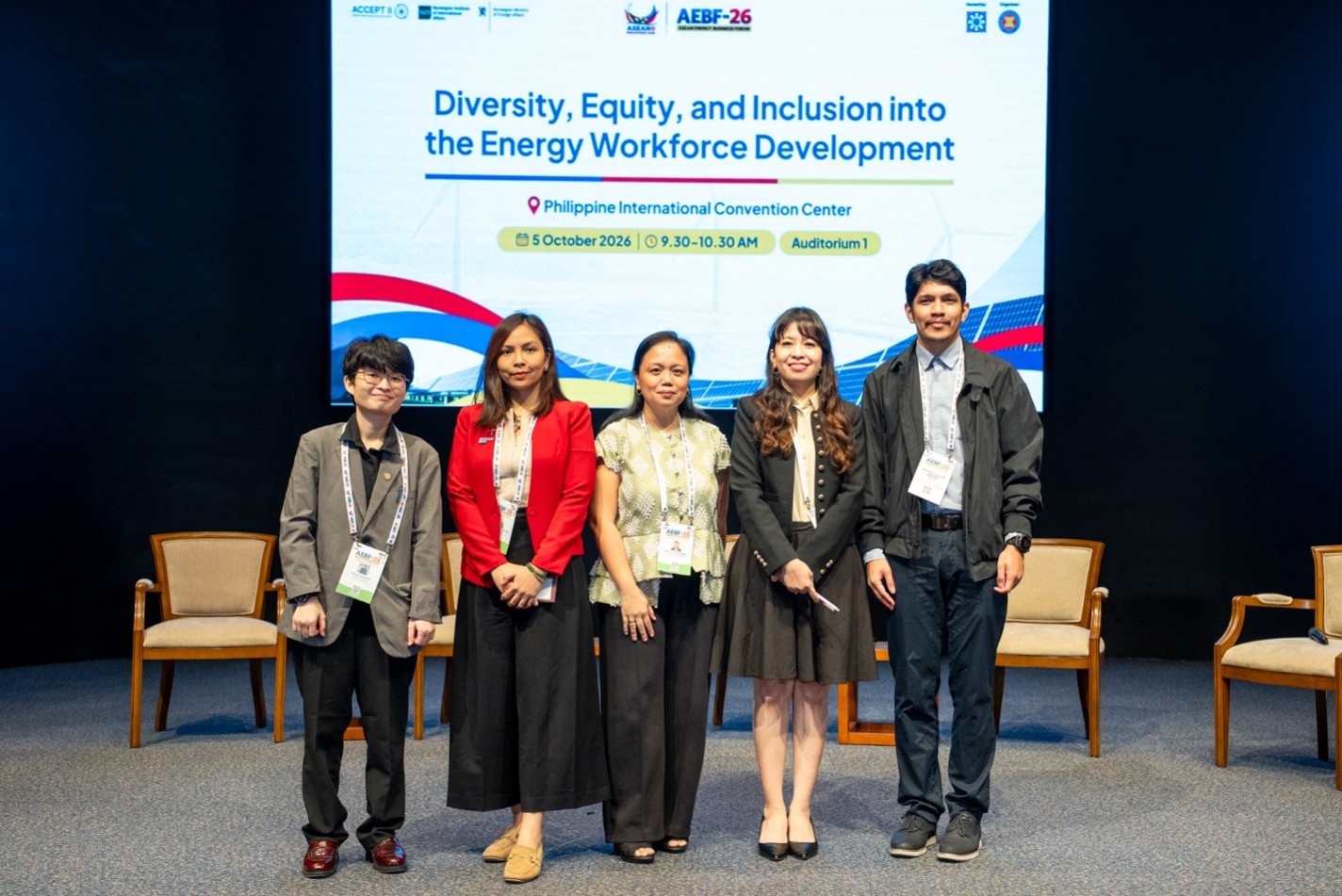
Photo 1. Group photo of the panellists and the moderator for the panel session.
Monday, 5 October 2026 – As part of the ASEAN Energy Business Forum 2026 (AEBF-26), the ASEAN Climate Change and Energy Project (ACCEPT) Phase II, implemented by the ASEAN Centre for Energy (ACE), convened a panel session on the topic “Diversity, Equity, and Inclusion into the Energy Workforce Development”.
As the first of three panel sessions held by ACCEPT II at AEBF-26, the session discussed how diversity, equity, and inclusion (DEI) can be embedded into the region’s energy workforce as the sector transitions toward carbon neutrality. With women accounting for only an estimated 11 to 37% of the energy workforce across the region, and labour markets continuing to show disparities affecting women, indigenous people, and persons with disabilities, this session explored how governments, industry, and training institutions can work together to close these gaps while meeting the sector’s rapidly growing demand for skilled workers.
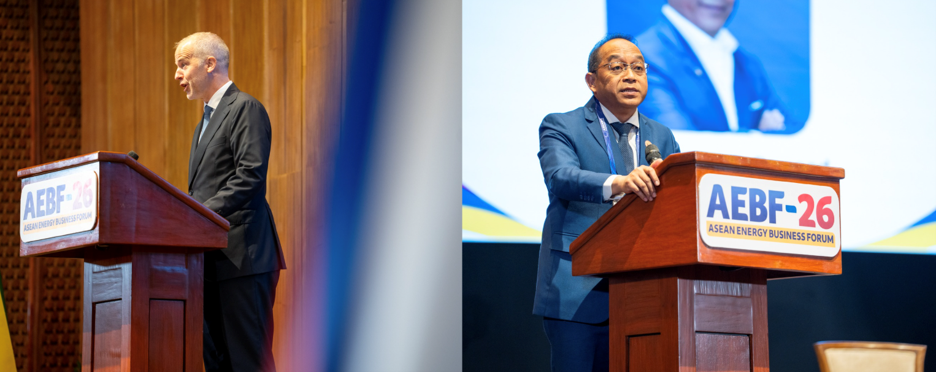
Photo 2 and 3. Opening remarks from Kristian Netland, Ambassador of Norway to the Philippines (left), and Dato’ Ir. Ts. Razib Dawood, Executive Director of the ASEAN Centre for Energy (right).
The session began with two opening remarks, first from Kristian Netland, Ambassador of Norway to the Philippines, and the second from Dato’ Ir. Ts. Razib Dawood, Executive Director of the ASEAN Centre for Energy. They reaffirmed the commitment to advancing awareness of DEI in the energy workforce. This is especially important when the region is undergoing the transition towards low-carbon energy systems, which will inevitably shift the current labour market dynamics.
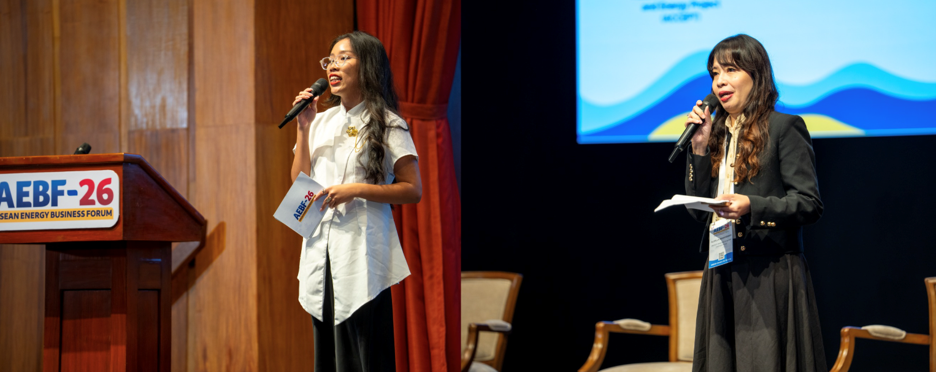
Photo 4 and 5. Nathania Azalia, Junior Research Analyst at ACE as the MC of the session (left), and Aldilla Noor Rakhiemah, Project Manager of ACCEPT II as the moderator of the session (right).
Nathania Azalia, Junior Research Analyst at ACE, served as Master of Ceremony for the session, which was moderated by Aldilla Noor Rakhiemah, Project Manager of ACCEPT II. The panel brought together diverse perspectives—from international development organisations, technical and vocational training, and industry, each approaching workforce inclusion from different angles: programme-level workforce transition and measurable DEI outcomes, technical and vocational education pathways into employment, industry-wide skills demand and workplace retention, and regional energy modelling and data gaps.
Flavia Frederick, Research Analyst at ACE, opened the discussion by sharing insights from the latest edition of ACE’s flagship publication, the 9th ASEAN Energy Outlook (AEO9). Ms Flavia discussed how the findings project which sectors and technologies are expected to drive the greatest workforce demand as the region’s energy system evolves and how these projections can help governments and training institutions anticipate future occupations, technical skills, and reskilling needs. Ms Flavia also addressed the current limitations in sex-disaggregated and other socioeconomic workforce data across ASEAN and discussed how future editions of the AEO could better incorporate employment, gender, and social dimensions to capture not only how many jobs the transition may create, but who will be able to access them.
Maria Fritzie Vergel, Senior Programme Manager at the United Nations Office for Project Services (UNOPS) Energy Transition Partnership (ETP), spoke from the perspective of workforce transition and programme implementation. Ms Maria shared the key findings from ETP’s work on energy workforce development, highlighting which groups risk being excluded from new employment opportunities as the sector evolves, and discussed how development partners can build measurable DEI goals into workforce programmes, from training and recruitment through career progression, alongside mechanisms to track whether those goals are actually being met.
Building on this, Engr. Michael Edione N. Gayona, Center Head of the Technical Education and Skills Development Authority (TESDA) Green Technology Center, brought a technical and vocational education and training (TVET) lens to the discussion. Mr Michael discussed how TESDA develops competency standards and qualifications, such as those for photovoltaic system design, installation, and servicing, and how its curricula, trainers, and certification systems keep pace with rapidly evolving renewable energy technologies. Mr Michael also addressed the barriers, including gender stereotypes, cost, location, and safety, that can prevent women and other underrepresented groups from accessing, completing, and translating training into employment, and the role industry can play in apprenticeships, job placement, and worker retention.
Turning into the industry perspective, Ann Franscisco, Asia Pacific Director at the Global Wind Energy Council (GWEC), spoke from an industry perspective on workforce demand and workplace inclusion. Ms Ann discussed how the rapidly growing demand for qualified wind technicians across Asia-Pacific can be met without reproducing existing gender inequalities in recruitment and technical occupations, drawing on lessons from GWEC’s Women in Wind programme. Ms Ann further highlighted the workplace culture, safety, facilities, and leadership pathway changes needed for wind-energy companies to not only recruit but retain and advance a more diverse workforce.
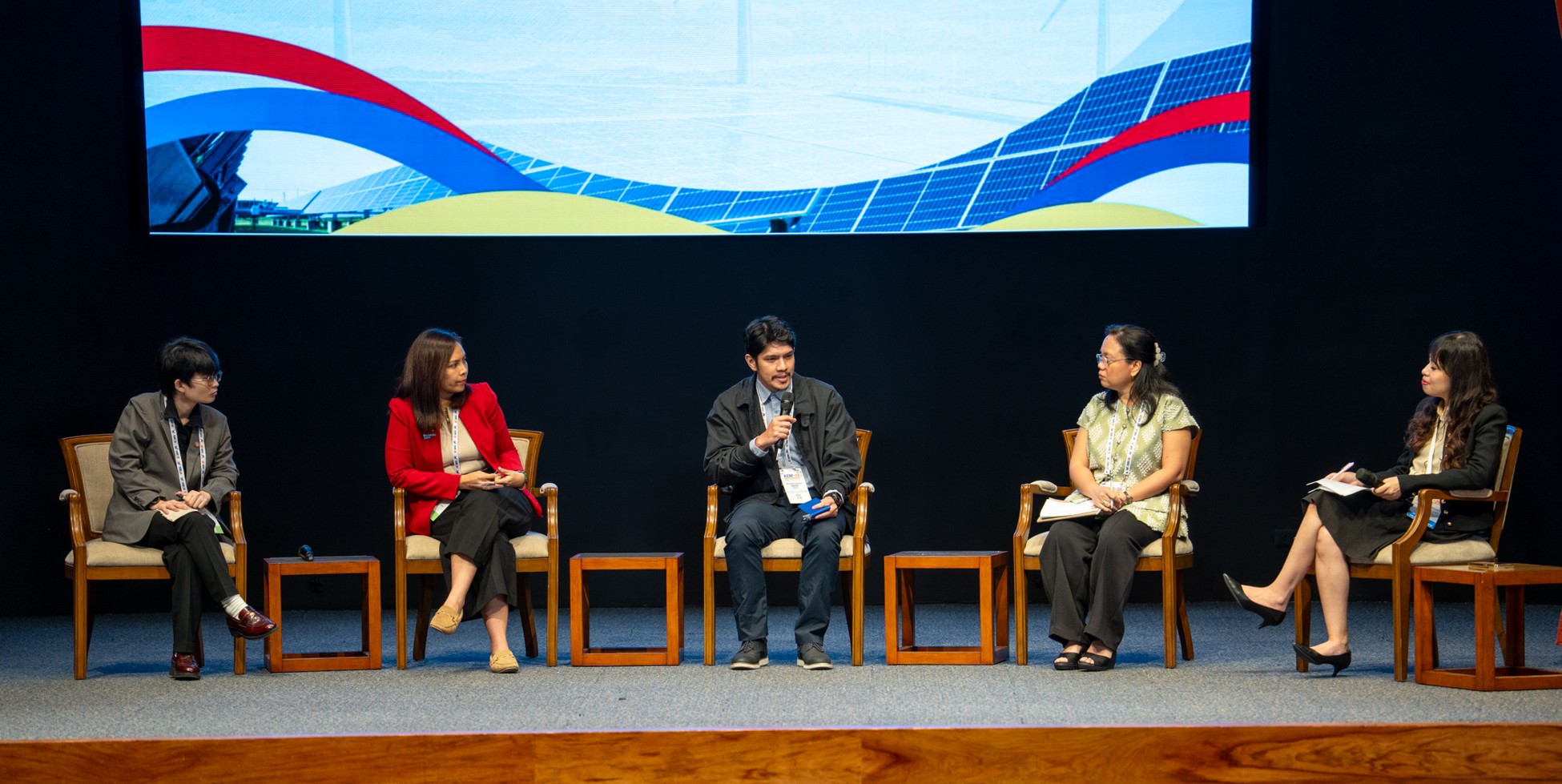
Photo 6. Discussion between panellists and moderator.
To close the session, panellists were invited to reflect on what a genuinely diverse, equitable, and inclusive ASEAN energy workforce would look like by 2030, and the single most important change needed to move the region from current workforce-development efforts towards that vision.
This panel session at AEBF-26 reflected a shared recognition that an inclusive energy transition depends on deliberate action across training systems, industry practice, and the data that informs regional planning. Its focus on workforce development, vocational training, and energy modelling complements the region’s wider push for a just and inclusive energy transition and underscores ACCEPT II’s continued role in connecting these efforts across ASEAN.
Detailed information on ACCEPT II can be found at https://accept.aseanenergy.org/
Follow our social media to stay updated on ASEAN’s energy-climate nexus and ACCEPT activities.