
Jakarta, 19 October 2026

Photo 1. Group photo of the panellists and the moderator for the panel session.
Manila, 5th October 2026 – As part of the ASEAN Energy Business Forum 2026 (AEBF-26), the ASEAN Climate Change and Energy Project (ACCEPT) Phase II, implemented by the ASEAN Centre for Energy (ACE), in collaboration with the ASEAN EU-German Climate Action Programme (CAP), funded by the European Union and Germany and implemented by Gesellschaft für Internationale Zusammenarbeit (GIZ) in partnership with the ASEAN Secretariat, convened a parallel panel session with the topic “Defining A Climate Resilience Framework for ASEAN Energy Infrastructure”.
As the last of three panel sessions being held by ACCEPT II in AEBF-26, the session aimed to build a shared understanding of why climate resilience should become an integral part of ASEAN energy infrastructure planning. It set out to identify the key principles and components of a common framework, connecting climate risk assessment, disaster monitoring and analysis, resilient infrastructure planning and operations, policy, and financing, and to define practical next steps for ASEAN-wide cooperation, including data and knowledge sharing, common approaches and standards, capacity building, and potential pilot initiatives.
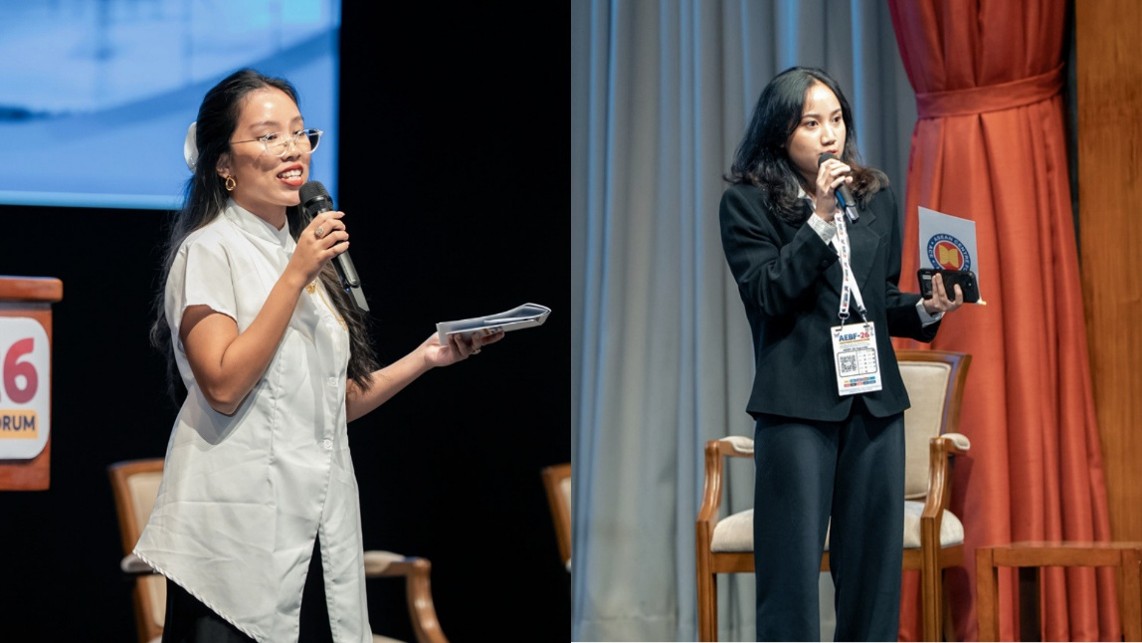
Photo 2 and 3. Nathania Azalia, Junior Research Analyst at ACE, as the Master of Ceremony of the session (left), and Indira Pradnyaswari, Research Analyst at ACE, as the moderator (right).
The session was led by Nathania Azalia, Junior Research Analyst at ACE, as the Master of Ceremony and was moderated by Indira Pradnyaswari, Research Analyst at ACE. The session brought together four speakers representing national climate policy, regional climate governance, industry, and meteorological services, each contributing towards the panel session from five different key themes: the urgency of climate resilience for energy infrastructure, the elements of an effective framework, utility-level implementation challenges and solutions, financing and policy support mechanisms, and opportunities for ASEAN-wide cooperation.
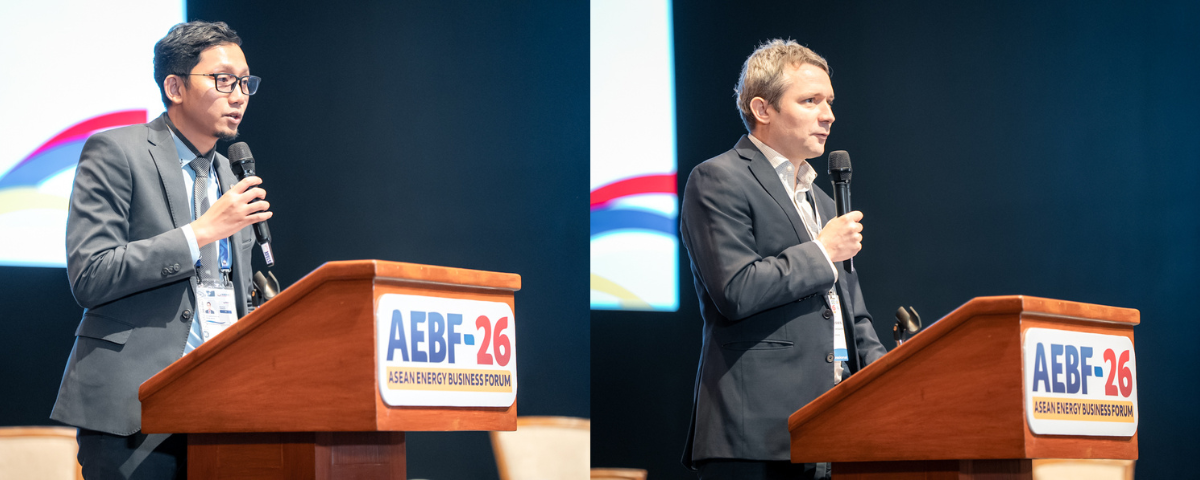
Photo 4 and 5. Opening remarks from Dr Zulfikar Yurnaidi, Head of Energy Modelling and Policy Planning Department at ACE (left), and Gaspard de Bousies, Energy & Environment Programme Manager at EU in ASEAN (right).
The session began with opening remarks from Dr Zulfikar Yurnaidi, Head of Energy Modelling and Policy Planning Department at ACE and Gaspard de Bousies, Energy & Environment Programme Manager at the European Union (EU) in ASEAN. It is then continued with a scene-setting presentation from Aldilla Noor Rakhiemah, Project Manager of ACCEPT II, where she shared findings on ASEAN Member States’ current climate risk resilience based on surveys from the two workshops held this year with representatives from Heads of ASEAN Power Utilities/Authorities (HAPUA) and ASEAN Power Grid Consultative Committee (APGCC).
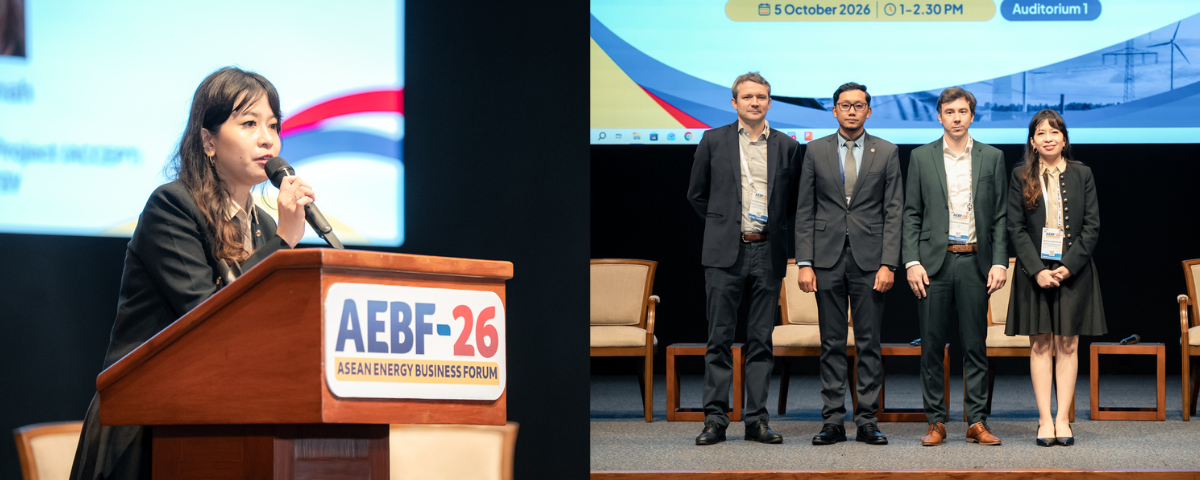
Photo 6 and 7. (Left to right) Scene-setting presentation by Aldilla Noor Rakhiemah, Project Manager of ACCEPT II (left), and group photo: Gaspard de Bousies, Energy & Environment Programme Manager at EU in ASEAN, Dr Zulfikar Yurnaidi, Head of Energy Modelling and Policy Planning Department at ACE, Tiphaine Atzberger, Energy Advisor at GIZ, and Aldilla Noor Rakhiemah of ACE.
Dr Noralene Uy, Assistant Secretary for Policy, Planning, International Affairs and Climate Change at the Philippines’ Department of Environment and Natural Resources (DENR), highlighted the perspective of national climate policy and adaptation governance in the discussion session. Dr Noralene discussed how climate risk considerations can be better integrated into energy infrastructure planning, the role environment authorities can play, and how existing national adaptation frameworks can support infrastructure resilience without adding institutional burdens. She also mentioned opportunities for how collaboration between environment authorities, energy institutions, and other agencies can be strengthened in implementing climate adaptation measures.
Sharon Seah Li-Lian, Coordinator of the Climate Change in Southeast Asia Programme at the ISEAS – Yusof Ishak Institute, offered a regional lens on climate governance and ASEAN cooperation. Highlighting ISEAS’s Southeast Asia Climate Outlook Survey, Ms Sharon brought up the issue of public perception of climate risks and preparedness in Southeast Asia and how it informs energy infrastructure resilience priorities. The data gathered can be utilised to strengthen regional climate policy coordination and inform the development of a common Climate Resilience Framework for Energy Infrastructure.
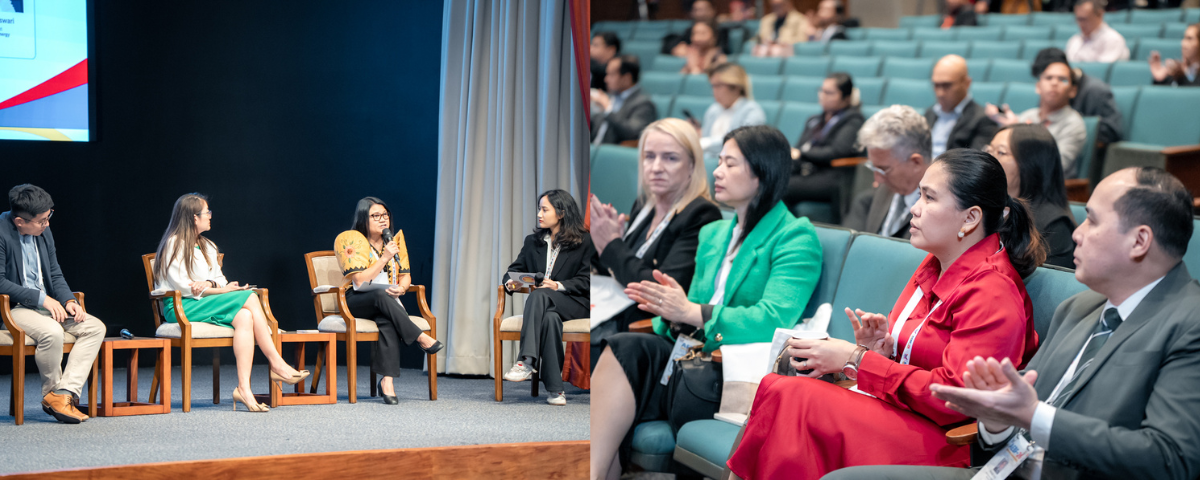
Photo 8 and 9. Discussion between panellists and moderator (left), and spectators of the discussion (right).
Offering an industry perspective, Jin Han Gan, Energy & Carbon Services Regional Business Manager at ABB, shared insights on private project implementation, energy technologies, and investment in the discussion. Mr Jin Han discussed how utilities translate climate risk assessment findings into practical decisions and how digitalisation, real-time monitoring, and energy management technologies can help utilities anticipate and respond to climate-related disruptions, including cross-border power interconnections under the ASEAN Power Grid.

Photo 10. Panellists discuss questions from the moderator.
By bringing perspectives of the public, private, and regional researchers into one conversation, the panel discussion pointed to the next step for the region: to move from assessing climate risks and create a common framework to strengthen ASEAN Member States’ energy infrastructure to fortify the region’s energy security for a sustainable energy future.
Detailed information on ACCEPT II can be found at https://accept.aseanenergy.org/
Follow our social media to stay updated on ASEAN’s energy-climate nexus and ACCEPT activities.