Regional Forum on Advancing Gender Mainstreaming towards ASEAN 2045: Operationalising the ASEAN Gender Mainstreaming Strategic Framework through Cross-Sectoral Collaboration

Siem Reap, 15 September 2026
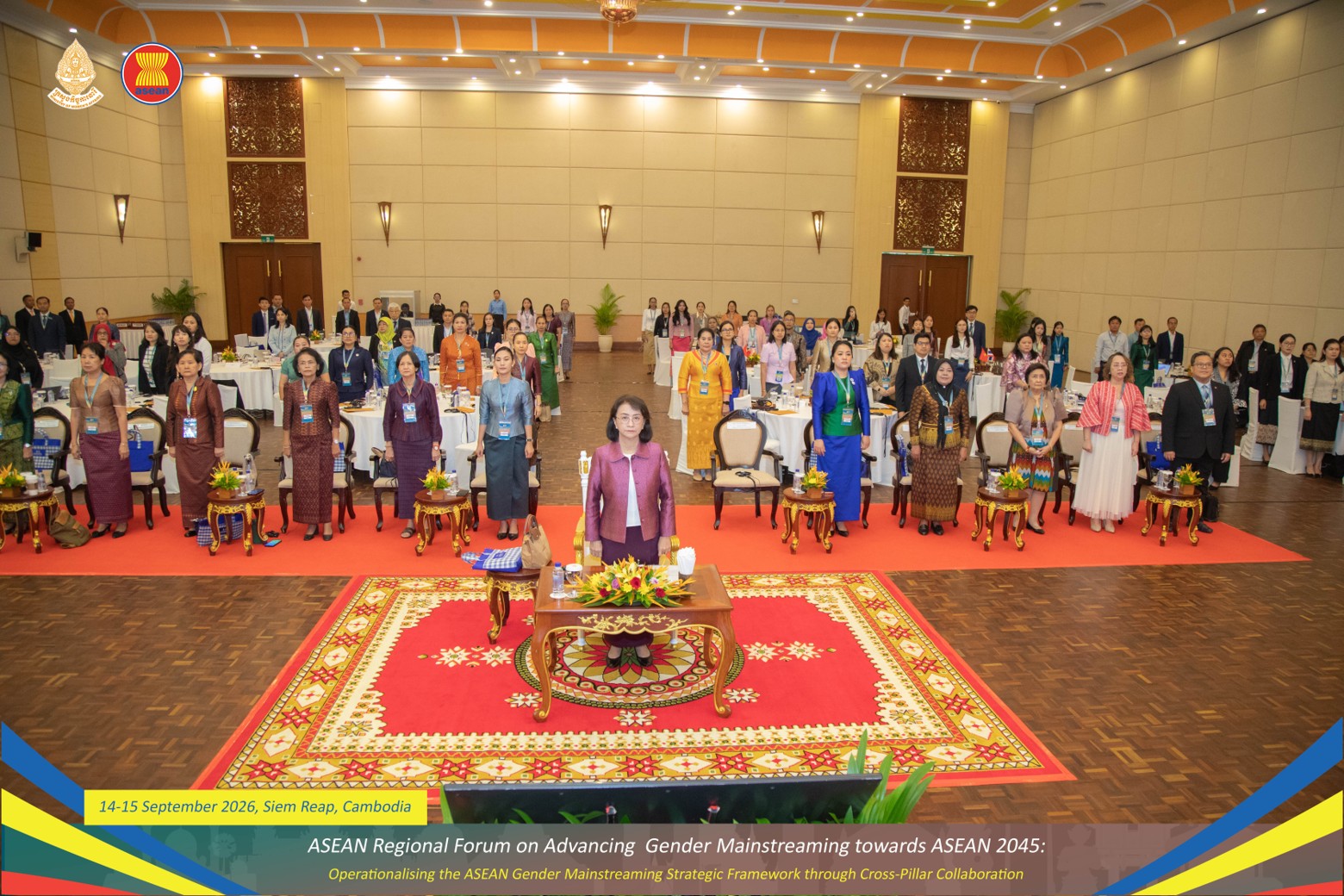
Photo 1. Delegates and attendees of the ASEAN Regional Forum on Advancing Gender Mainstreaming towards ASEAN 2045 in Siem Reap, Cambodia.
Siem Reap, 15 September 2026 – On 14-15 September 2026, the Regional Forum on Advancing Gender Mainstreaming towards ASEAN 2045 convened in Siem Reap, Cambodia. Spearheaded by the Ministry of Women’s Affairs Cambodia in collaboration with ASEAN, the forum brought together ASEAN sectoral bodies, member states, and international partners to operationalise the ASEAN Gender Mainstreaming Strategic Framework (AGMSF) through cross-sectoral collaboration.
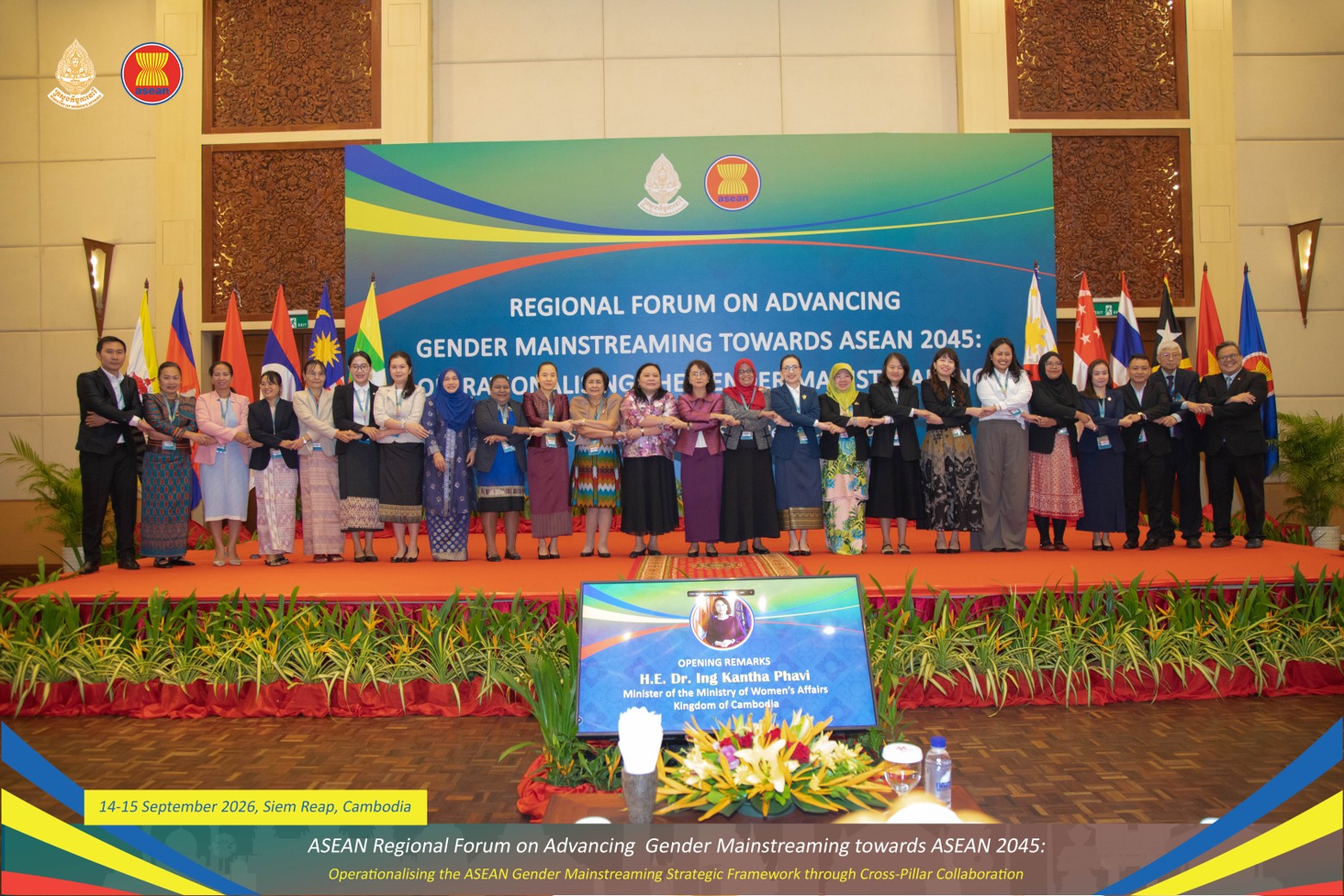
Photo 2. Delegates demonstrate regional solidarity with the traditional ASEAN handshake.
The first day of the forum opened with welcoming remarks by H.E. San Lwin, Deputy Secretary-General of ASEAN for the ASEAN Socio-Cultural Community, and H.E. Dr. Ing Khantha Phavi, Minister of Women’s Affairs. Discussions focused on embedding gender perspectives into regional policies and implementation processes. Participants explored institutional mechanisms such as gender-responsive budgeting and heard from national representatives from Cambodia, Malaysia, Timor-Leste, and Vietnam on their respective good practices and innovative approaches to gender mainstreaming.
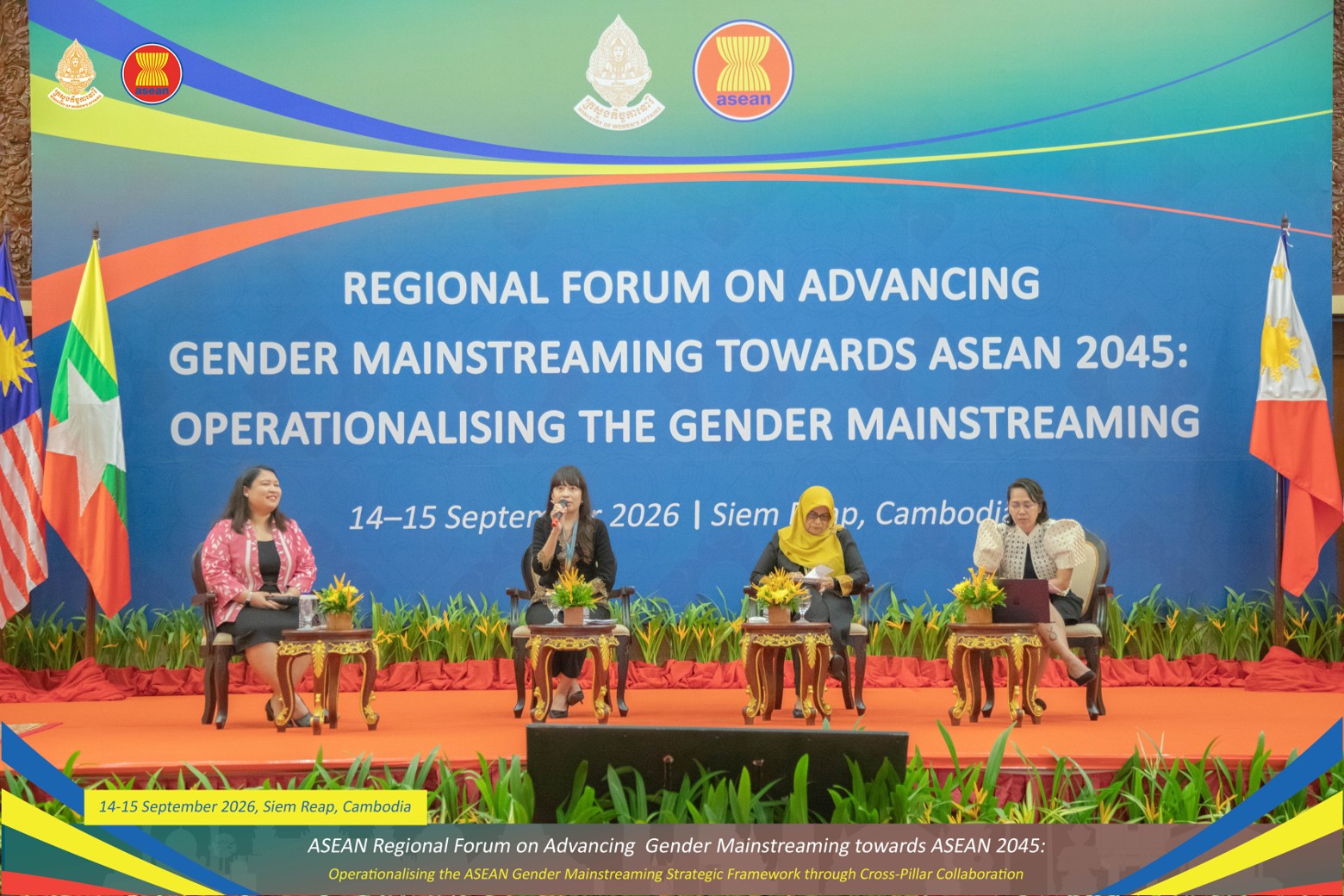
Photo 3. Panellists exchange insights on cross-sectoral collaboration during Session 4: Sharing of ASEAN Good Practices and Initiatives on Gender Mainstreaming.
Moving from national experiences to regional synergy, the second day featured “Session 4: Sharing of ASEAN Good Practices and Initiatives on Gender Mainstreaming”. Moderated by Ms. Rebecca Baylosis from the ASEAN Secretariat, the panel brought together key representatives across the ASEAN pillars, featuring Ms. Mary Jean Ogena from the ASEAN Defence Senior Officials’ Meeting (ADSOM), H.E. Sri Danti Anwar from the ASEAN Commission on the Promotion and Protection of the Rights of Women and Children (ACWC), and Ms. Aldilla Noor Rakhiemah, Project Manager of ACCEPT II, representing the ASEAN Centre for Energy (ACE).
Representing the regional energy sector, Ms. Aldilla Noor Rakhiemah, Project Manager of ACCEPT II, delivered a comprehensive presentation on advancing a gender-responsive energy ecosystem. She emphasised that ASEAN’s energy transition must go beyond megawatts and investments; its durability depends on being fair, people-centred, and trusted. Ms. Aldilla highlighted that the upcoming ASEAN Plan of Action for Energy Cooperation (APAEC) 2026-2030 explicitly integrates Gender Equality, Disability, and Social Inclusion (GEDSI) under the Regional Energy Policy and Planning programme area to ensure a just transition and improved energy access.
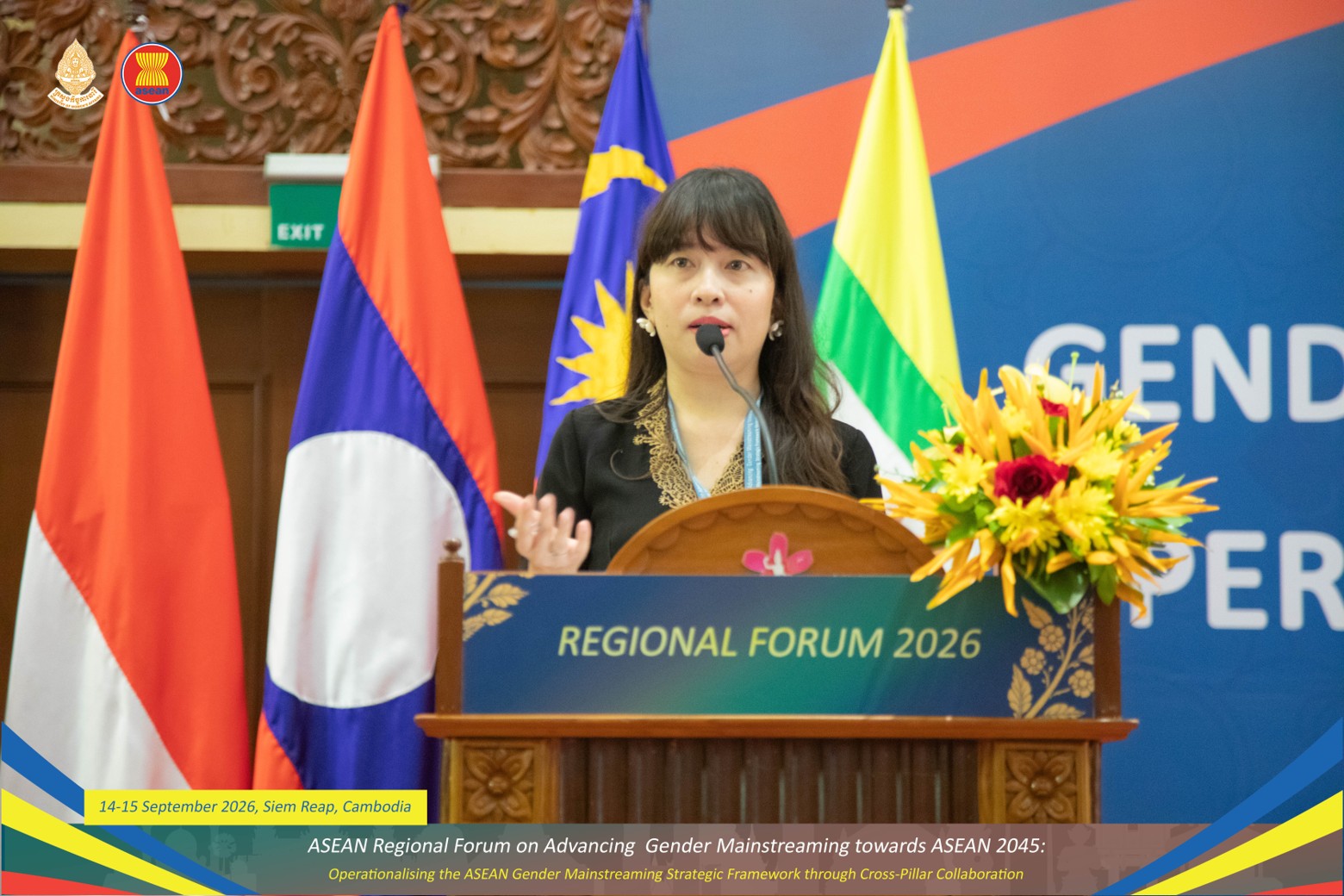
Photo 4. Ms. Aldilla Noor Rakhiemah, Project Manager of ACCEPT II, delivers her presentation on building a gender-responsive energy ecosystem in ASEAN.
During her session, Ms. Aldilla outlined how the ASEAN Centre for Energy (ACE) and the ACCEPT II project actively drive gender mainstreaming across three core roles. Acting as a think tank, ACCEPT II provides critical insights through comprehensive research, including the three-volume Gender Equality in ASEAN Energy Booklet, A Guide to a Just and Inclusive Energy Transition in ASEAN, and studies on Gender Indicators Frameworks for ASEAN Energy Policy Action. Simultaneously, as a Catalyst, the project strengthens quadruple helix collaborations by convening diverse stakeholders through initiatives like the ASEAN Energy Gender Week, dedicated sessions at the ASEAN Energy Business Forum, and the ASEAN Women in Energy Excellence Award. Finally, functioning as a Knowledge Hub, ACCEPT II actively monitors essential gender data, including energy workforce projections and clean cooking access, to support informed, evidence-based policymaking.
Despite these advancements, Ms. Aldilla noted that significant hurdles remain. She pointed out that GEDSI considerations are often treated as secondary to technical priorities, while a lack of sex-disaggregated data continues to hamper evidence-based policymaking. Furthermore, cross-sectoral conversations remain isolated, and dedicated resources for inclusion efforts are limited. To address these challenges, she called for regional cooperation to facilitate peer learning, strengthen the evidence base, and build networks that elevate women professionals in the energy sector.
Following the panel, participants transitioned into a breakout workshop to identify practical, adaptable recommendations aligned with ASEAN 2045: Our Shared Future. Building on the insights shared by ACCEPT II and other sectoral bodies, the groups mapped out collaborative pathways to strengthen institutional coordination, enhance capacity development, and jointly tackle the cross-cutting challenges of gender mainstreaming across all ASEAN pillars.
**
Detailed information on ACCEPT II can be found at https://accept.aseanenergy.org/
Follow our social media to stay updated on ASEAN’s energy-climate nexus and ACCEPT activities.