
Online, 12 October 2025
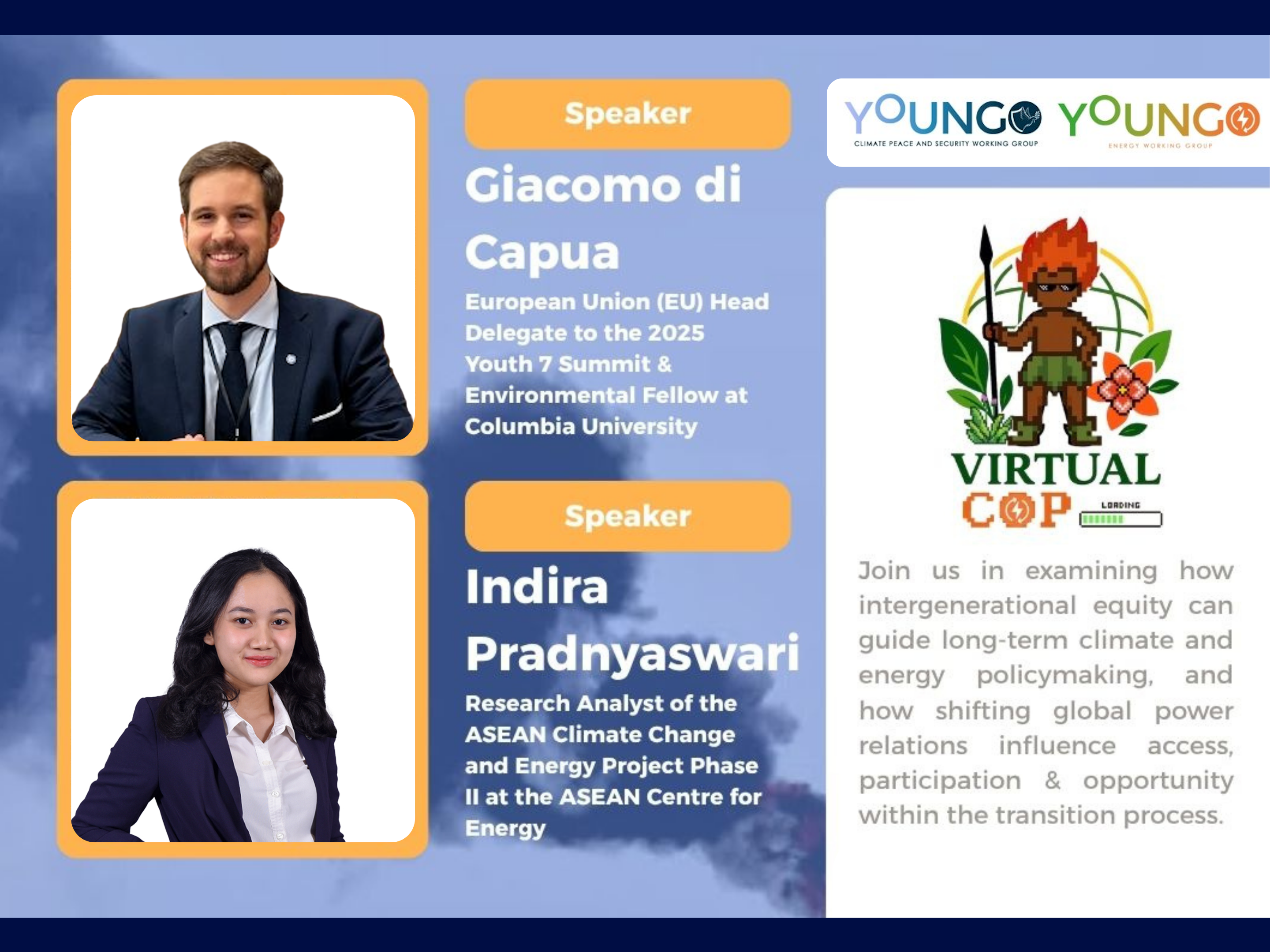
Photo 1. Speakers of the “Power, Peace, and People: Intergenerational Equity for a Just Transition amid Global Shift” Panel Discussion.
Online, 12 October 2025 – The ASEAN Climate Change and Energy Project Phase II (ACCEPT II) participated in the virtual discussion “Power, Peace, and People: Intergenerational Equity for a Just Transition amid Global Shift,” underscoring its continued support for youth participation in regional climate and energy initiatives. Hosted on the Gather online platform, the session provided an interactive space for youth representatives to collaborate and exchange ideas on fostering a just and inclusive energy transition across generations. Organised by YOUNGO Climate Peace and Security with the support of the Just Transition Working Group, the session aimed to deepen understanding of how intergenerational equity can guide long-term climate and energy policymaking. It also examined how evolving global power relations influence access, participation, and opportunity during the transition toward a low-carbon economy. Through this dialogue, participants sought to identify pathways to ensure that the energy transition is not only environmentally sound but also socially just and inclusive.
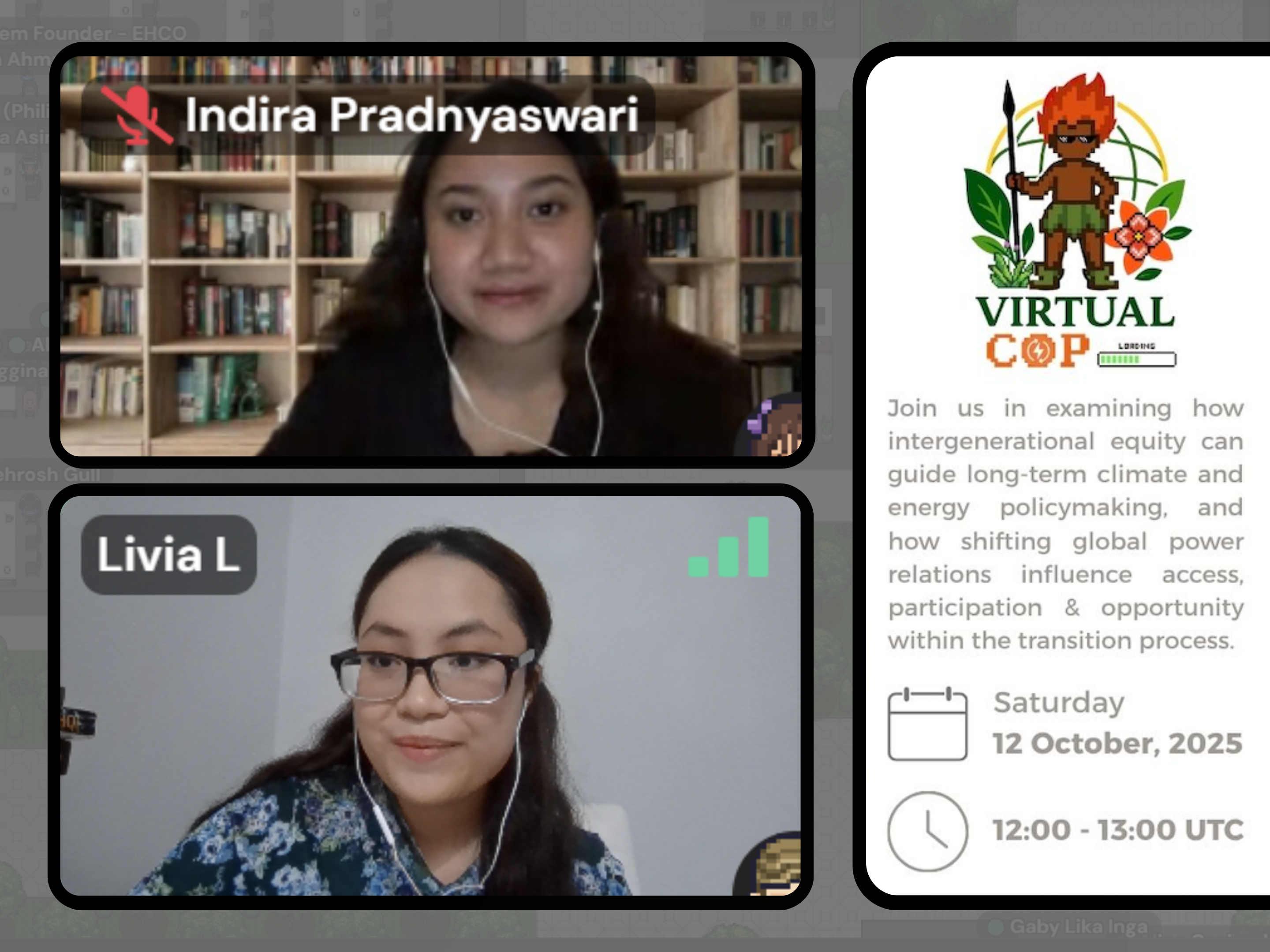
Photo 2. The session was opened by Ms. Livia Liannasari as the master of ceremony.
Ms. Indira Pradnyaswari represented ACCEPT II as a panellist where she highlighted the principle of intergenerational equity, which highlights the moral responsibility to design policies that safeguard the welfare of future generations while addressing present needs. She underscored that as decarbonisation and new technologies transform industries, just and inclusion must remain at the heart of sustainable development. She stressed that a just transition extends beyond the creation of green jobs or economic opportunities as it requires systemic change to address long-standing social inequalities and ensure that vulnerable communities are not left behind.

Photo 3.The session began with Ms. Indira sharing her insights on the concept of a just and inclusive energy transition.
The dialogue further emphasised that achieving a truly just transition involves reshaping systems that have historically marginalised certain groups. This includes supporting energy workers and communities affected by the transition, investing in reskilling programmes for clean energy employment, ensuring access to affordable and reliable energy, and engaging underrepresented groups in the development of new energy policies. Justice, participants noted, must progress hand in hand with environmental ambition, so that climate action contributes to social fairness and collective well-being.
Within ASEAN, regional cooperation and collective responsibility are important. Given that member states are at varying stages of development and capacity, collaboration is essential to ensure progress. The ASEAN Centre for Energy plays a pivotal role in facilitating this cooperation by providing a neutral platform for dialogue, knowledge-sharing, and capacity-building, supporting member states in formulating policies that are both low-carbon and socially inclusive.
A key outcome of the session was the recognition of the need to strengthen youth engagement mechanisms within international and regional organisations. Participants underlined that linking youth advisory panels more closely with policymaking processes ensures that young people’s perspectives inform decisions at every level. Their active involvement not only enhances the inclusiveness and legitimacy of climate and energy policies but also brings forward innovative and forward-looking solutions.
The dialogue also aligned closely with the ASEAN Plan of Action for Energy Cooperation (APAEC) and its theme for the next cycle of 2026-2030, “Advancing Regional Cooperation in Ensuring Energy Security and Accelerating Decarbonisation for a Just and Inclusive Energy Transition.” This theme reflects ASEAN’s commitment to ensuring that the region’s energy transition integrates technological advancement with social equity.
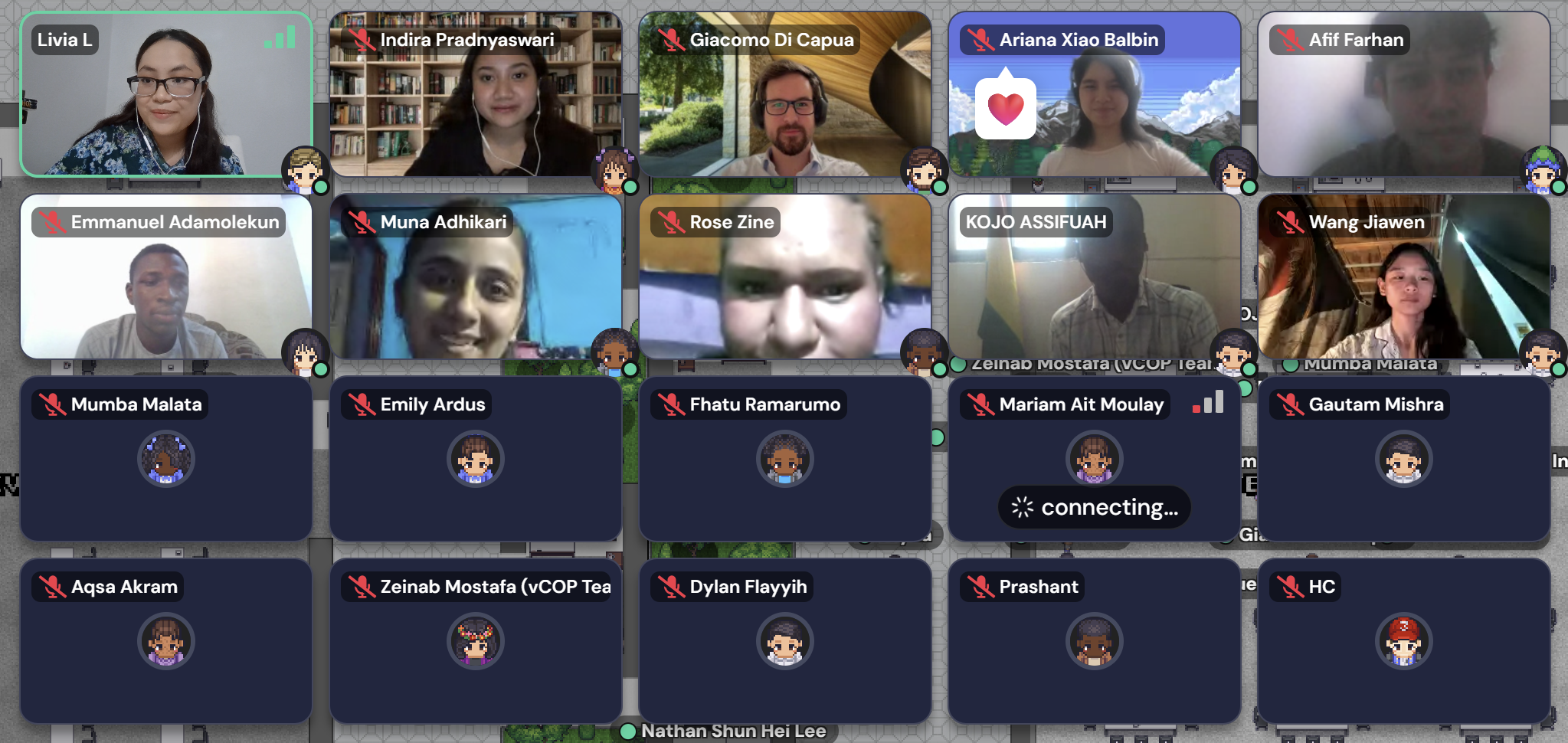
Photo 4. Photo of the participants of the “Power, Peace, and People: Intergenerational Equity for a Just Transition amid Global Shift” Panel Discussion.
In conclusion, ACCEPT II’s participation in the discussion reaffirmed that achieving a low-carbon future demands more than technological progress or economic reform. It must also be grounded in fairness, inclusivity, and intergenerational equity. By connecting the themes of power, peace, and people, the session reinforced the importance of a people-centred just transition.
(HEPR)
**
Join our ASEAN Researchers Network on Climate Change (ARNECC) by registering yourself here. Become a part of our collaborative efforts to address pressing climate challenges and shape a sustainable future.
Detailed information on ACCEPT II can be found at https://accept.aseanenergy.org/
Follow our social media to stay updated on ASEAN’s energy-climate nexus and ACCEPT activities.