
Saturday, 21 February 2026
21 February 2026 – The ASEAN Centre for Energy (ACE) through the ASEAN Climate Change and Energy Project (ACCEPT) Phase II participated in Asia-Pacific Forum on Sustainable Development (APFSD) Young Feminist Forum through the plenary session “Feminist Analysis of the SDGs under Review.” Hosted by the Asian-Pacific Resource and Research Centre for Women (ARROW) and in collaboration with regional youth-led conveners, APFSD is an annual intergovernmental platform aimed to monitor and review the progress of the 2030 Agenda for Sustainable Development and its Sustainable Development Goals (SDGs) at the regional level.
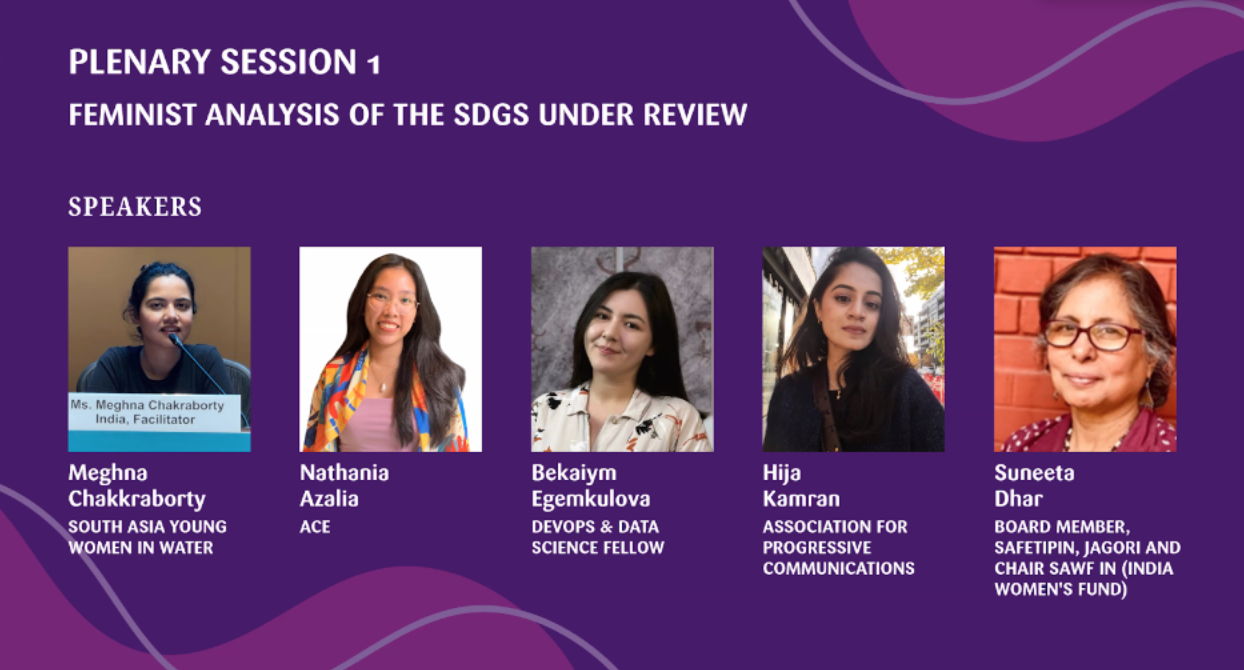
Photo 1.The Plenary Session gathered experts to discuss young feminist perspectives on advancing SDGs 6, 7, 9, and 11, featuring speakers from water governance, energy, technology, digital rights, and urban development sectors.
Plenary Session 1, with the topic “Feminist Analysis of the SDGs Under Review,” stirred discussion of the perspective of young feminists in advancing gender equality based on the 2030 Agenda for Sustainable Development, particularly Goal 6, 7, 9 and 11. The discussion on Plenary Session 1 was joined by experts that focus on each SDG based upon their field of expertise, namely Ms. Meghna Chakraborty from the South Asia Young Women in Water, Ms. Nathania Azalia from ASEAN Centre for Energy, Ms. Bekaiym Egemkulova from Devops & Data Science Fellow, Ms. Hija Kamran from the Association for Progressive Communications, and Ms. Suneeta Dhar from South Asia Women’s Foundation Asia.
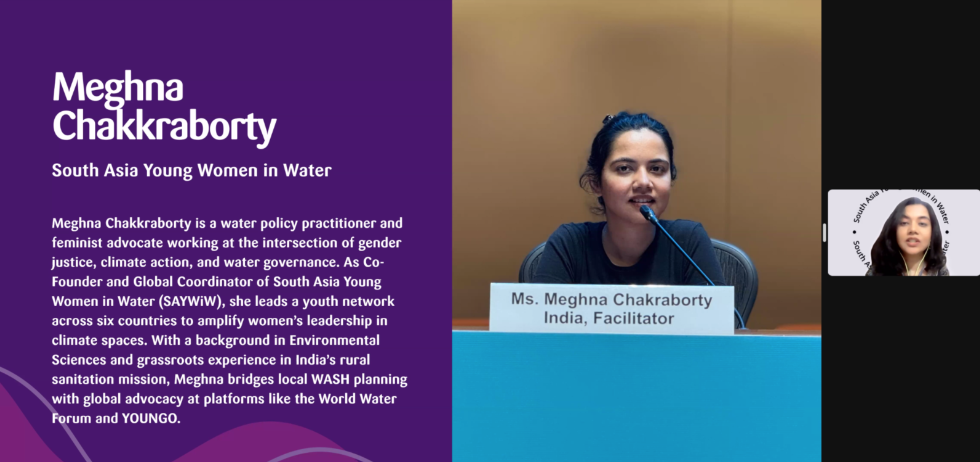
Photo 2. Ms. Meghna Chakraborty from South Asia Young Women in Water shared insights on gender justice, climate action, and inclusive water governance.
Opening the panel was, Ms. Meghna Chakraborty, Co-Founder and Global Coordinator of South Asia Young Women in Water (SAYWIW). Ms. Meghna highlighted how worsening resource insecurity in the Global South intensifies women’s vulnerability to economic hardship and gender-based violence. She emphasised that women remain underrepresented in governance bodies, technical sectors, and climate negotiation spaces. Concluding her intervention, she called for institutionalising women’s meaningful participation and investing in women professionals across sectors, urging a shift from perceiving women as beneficiaries to recognising them as key decision-makers in shaping sustainable and equitable systems.
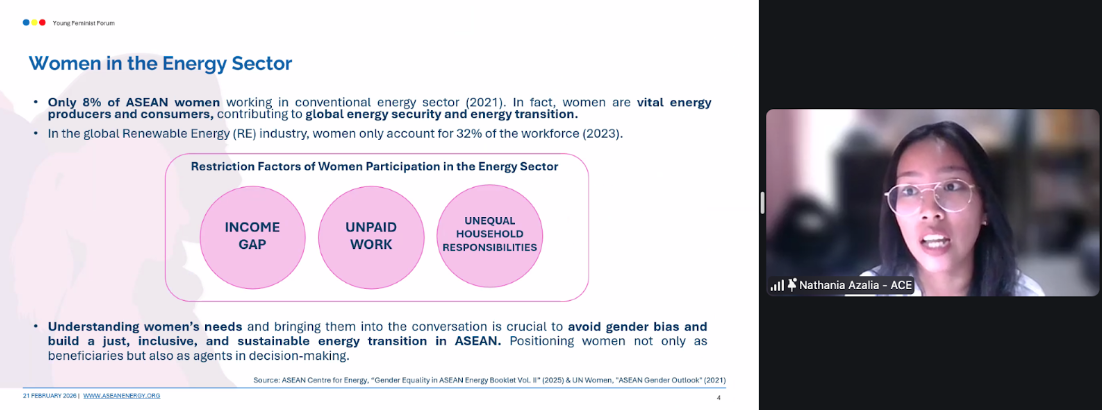
Photo 3. Ms. Nathania Azalia, Junior Associate Research Analyst of ACE, highlighted the importance of integrating gender equality and social inclusion into ASEAN’s sustainable energy transition.
Representing ASEAN Centre for Energy (ACE) and ACCEPT II, Ms. Nathania Azalia, Junior Associate Research Analyst of ACCEPT, delivered insights in addressing the integral role of women and girls as part of the Just and Inclusive Energy Transition (JIET). JIET have become a central focus in ASEAN’s regional energy cooperation, with the official endorsement of the ASEAN Plan of Action for Energy Cooperation (APAEC) with the theme “Advancing Regional Cooperation in Ensuring Energy Security and Accelerating Decarbonisation for a Just and Inclusive Energy Transition.” In her intervention, Ms Nathania highlighted that only 8% of women work in the conventional energy sector in ASEAN, while women’s representation in the global renewable energy sector is merely 32% of the workforce. She underscored the challenges of achieving gender balance in the journey of achieving JIET, which includes underrepresentation of women and marginalised communities, critical gender-disaggregated data gaps, siloed conversations, insufficient awareness, and limited budget allocation.
Ms. Nathania also shared the active role of ACE in advancing gender balance in the pursuit of achieving JIET. This encompasses ACE’s commitment through the signing of the ACE Inclusivity Pledge, its role as a knowledge hub that strengthens research and data accessibility through the ASEAN Energy Database System (AEDS), its role as a catalyst that holds various capacity-building initiatives that bring together diverse stakeholders to enhance GEDSI awareness. Additionally, ACE serves as a think tank by publishing studies that identify existing gaps while offering insights and policy recommendations to support a more inclusive energy transition.
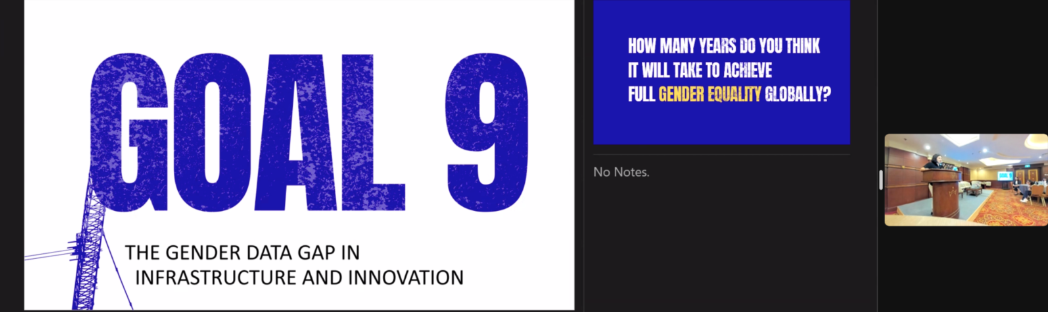
Photo 4. Ms. Bekaiym Egemkulova, DevOps & Data Science Fellow (KSSDA & MITx), addressed Goal 9 by highlighting the gender data gap in infrastructure and innovation.
Continuing the discussion with SDG 9, Ms. Bekaiym Egemkulova, DevOps & Data Science Fellow (KSSDA & MITx), contributed to the discussion by highlighting the role of data, digital systems, and technological innovation in advancing inclusive and sustainable energy transitions. She shared the need for inclusive technological ecosystems-intentionally integrating gender-responsive approaches to create more equitable and resilient economic systems across the region. As energy systems become increasingly digitalised, women and marginalised groups must not be left behind in accessing technical knowledge, digital skills, and decision-making spaces.
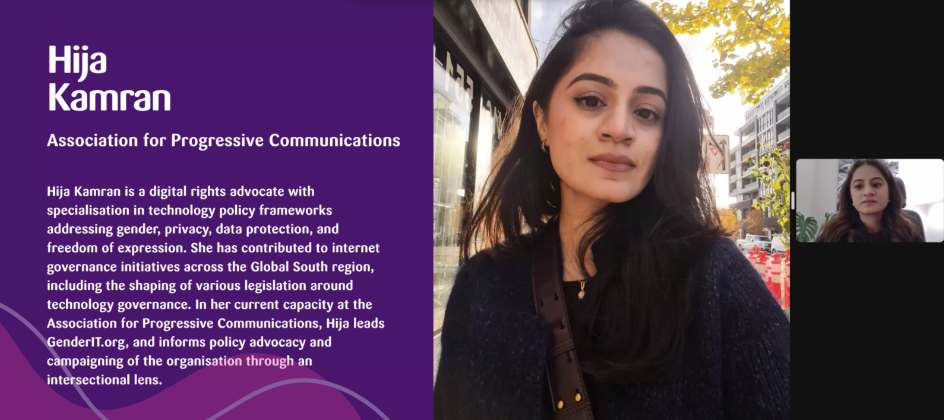
Photo 5. Hija Kamran from the Association for Progressive Communications shared insights on governance and gender justice.
Ms. Hija Kamran presented insights on governance and gender justice, emphasising that a feminist approach to building an inclusive economic structure in the Asia-Pacific requires examining existing dynamics. She highlighted that industrialisation, economic growth, and ecological innovation requires a meaningful progress toward justice through the involvement and voices of those who have long been left out of decision-making spaces.
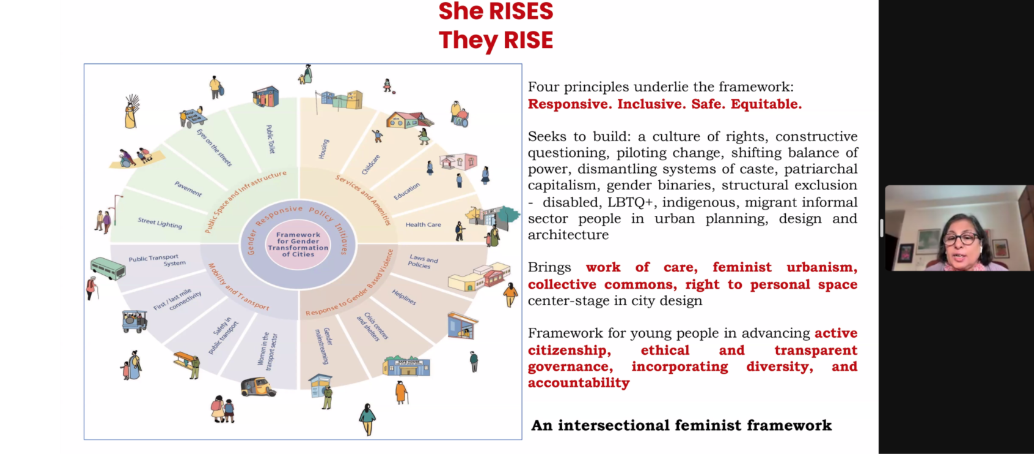
Photo 6. Ms. Suneeta Dhar, Board Member of Safetipin and Jagori, and Chair of SAWF IN, delivered an intersectional feminist perspective, emphasising safety, rights, and equity in urban development.
Ms. Suneeta Dhar, Board Member of Safetipin, Jagori, and Chair of the South Asia Women’s Foundation (SAWF IN) underscored that urban development must be grounded in rights, inclusion, and equitable access, ensuring that infrastructure, mobility systems, and public spaces are accessible to diverse communities, including women, youth, and informal sector workers. Highlighting the “right to the city” under SDG 11, she called for a feminist urbanism approach through urban planning, by urging policymakers to audit frameworks, strengthen accountability, and ensure that infrastructure and governance systems truly reflect equality, dignity, and non-discrimination.
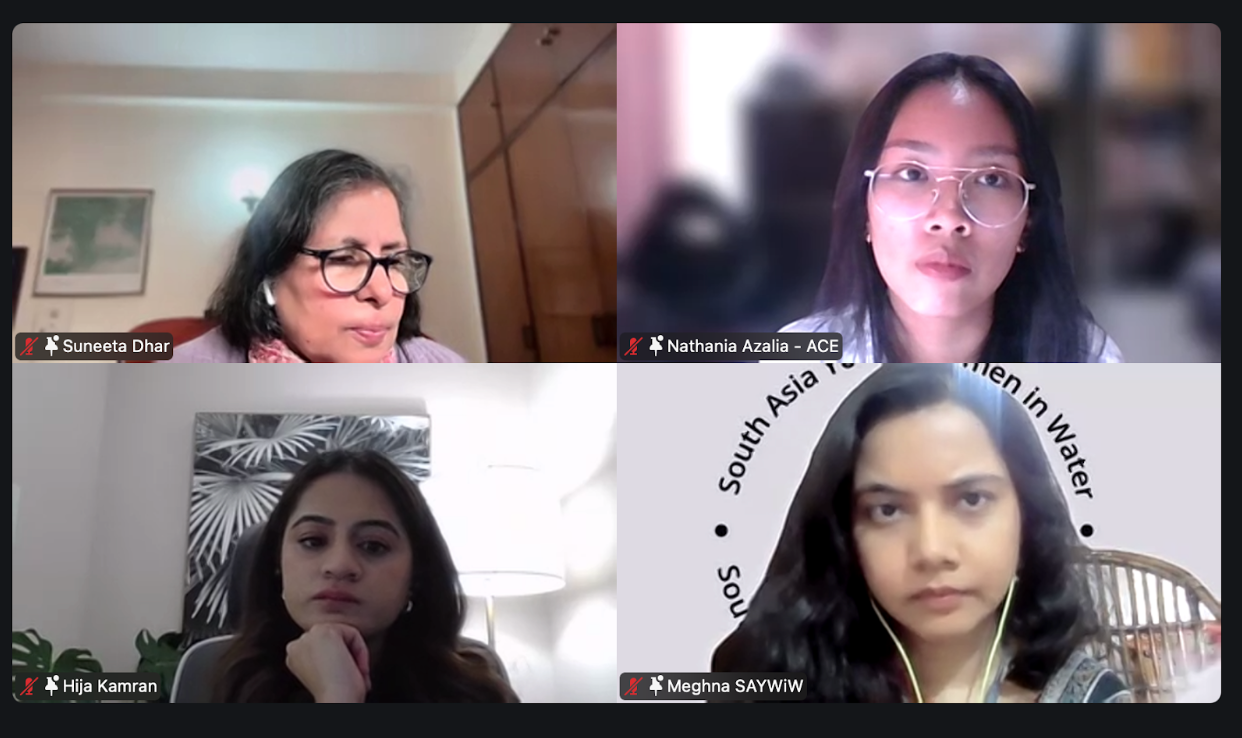
Photo 7. Panelists delivered their second round of interventions, each sharing key recommendations for young feminists, featuring Suneeta Dhar, Hija Kamran, Nathania Azalia, and Meghna Chakkraborty.
During the second round of interventions, Ms. Nathania Azalia concluded with two key reflections. First, she highlighted the importance of bridging conversations across sectors to elevate JIET into mainstream policy-making processes. Second, she highlighted the urgent need to strengthen research and address the lack of gender-disaggregated data in the energy sector, where GEDSI integration remains at an early stage. She emphasised that stronger evidence-based studies are essential to deliver targeted policy recommendations, including through ACE’s efforts to enhance a centralised database system that incorporates gender data. Lastly, Ms. Nathania reaffirmed ACE’s commitment to institutionalising gender balance in its daily operations, ensuring that mainstreaming GEDSI moves beyond normative commitments into tangible and measurable action.
Overall, the APFSD Youth Feminist Forum 2026 reinforced the idea that gender empowerment through the SDGs including energy transition, require stronger efforts to address the underrepresentation of women in respective sectors. As more youth representatives grow awareness in achieving gender balance, the insights from the plenary session outlines an urgent call to develop tangible action that starts from consistent public dialogue in reinforcing the women representation in public agenda.
(AAH, LM)
** Join our ASEAN Researchers Network on Climate Change (ARNECC) by registering yourself here. Become a part of our collaborative efforts to address pressing climate challenges and shape a sustainable future.
Detailed information on ACCEPT II can be found at https://accept.aseanenergy.org/
Follow our social media to stay updated on ASEAN’s energy-climate nexus and ACCEPT activities.