
Jakarta, 17 September 2026
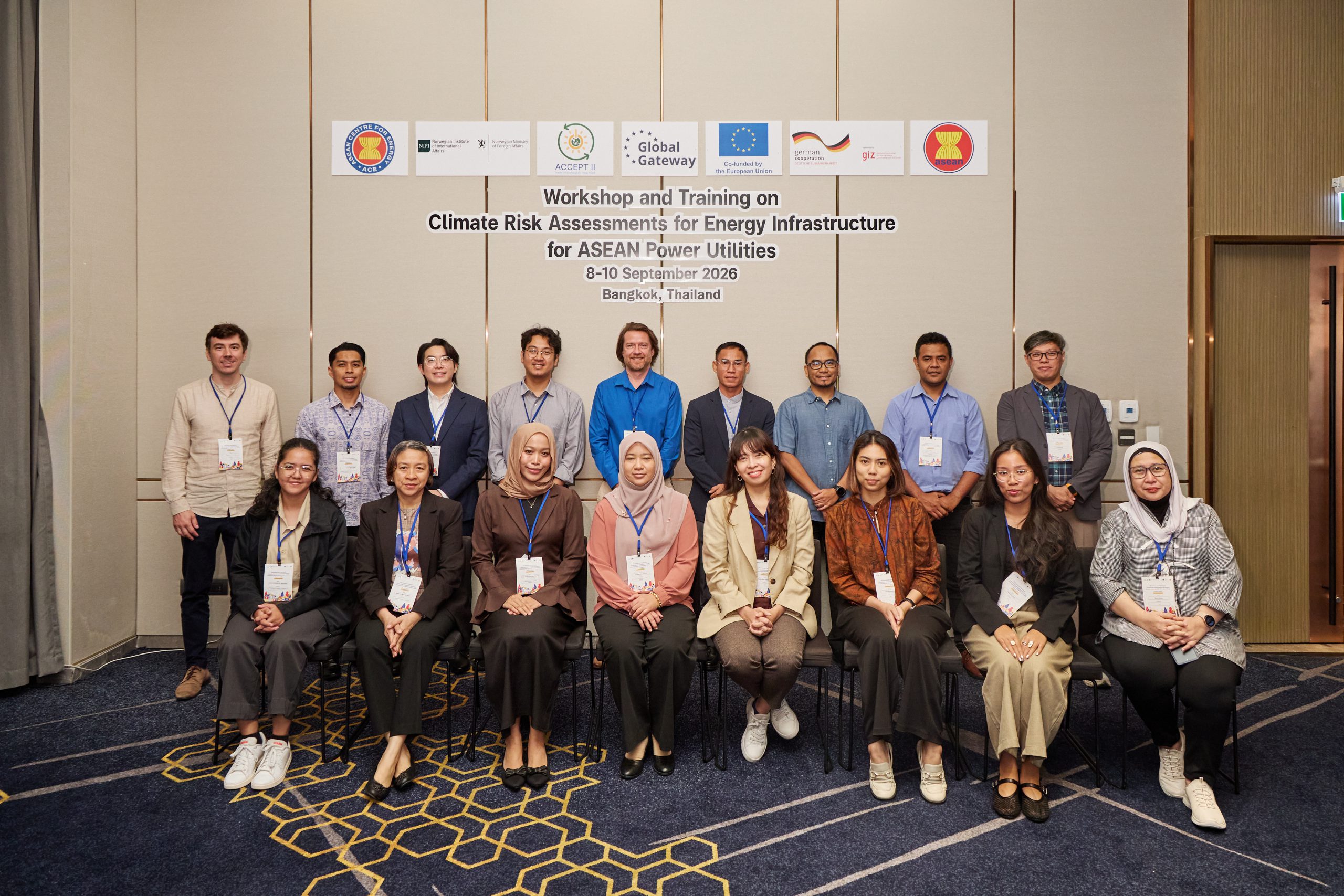
Photo 1. Group photo of the Workshop and Training on Climate Risk Assessment for Energy Infrastructure for ASEAN Power Utilities
Bangkok, 8-10 September 2026 – The ASEAN Climate Change and Energy Project (ACCEPT), together with the ASEAN EU-German Climate Action Programme (CAP), implemented by the Deutsche Gesellschaft für Internationale Zusammenarbeit (GIZ) GmbH in partnership with the ASEAN Secretariat, held the Workshop and Training on Climate Risk Assessments for Energy Infrastructure for ASEAN Power Utilities in Bangkok, Thailand on 8-10 September 2026. The three-day workshop and training focused on ASEAN power utilities and infrastructure operators, aiming to strengthen participants’ capacity to integrate climate risks into utility planning and decision-making while exploring financing approaches and investment strategies for climate-resilient energy infrastructure.
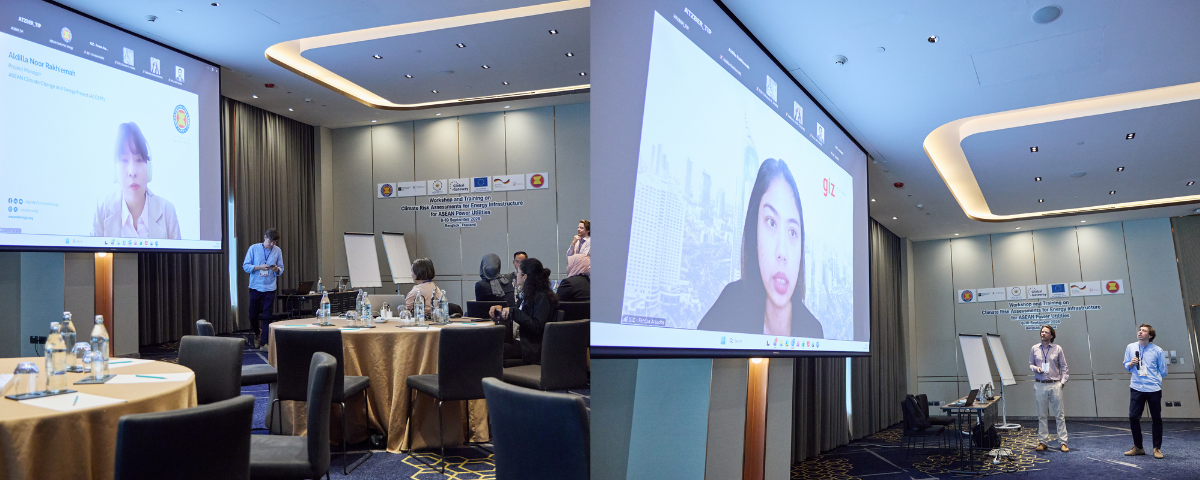
Photo 2 and 3. Aldilla Noor Rakhiemah, Project Manager of ACCEPT, presents her opening remarks online (left) and Ferosa Arsadita, Climate Change Advisor at GIZ, presenting on the topic of Loss and Damage (right).
The first day of the workshop and training opened with remarks Tiphaine Atzberger, Energy Component Advisor at GIZ, followed by remarks and scene-setting presentation from Aldilla Noor Rakhiemah, Project Manager of ACCEPT. The session was followed by a presentation on Loss and Damage (L&D) attributed to climate change in Southeast Asia by Ferosa Arsadita, Climate Change Advisor at GIZ. She shared early findings from a regional study initiated by the ASEAN Working Group on Climate Change that examines what L&D means for the region, whether Southeast Asian countries are campaigning on the issue, and where the gaps lie. She noted that floods and sea-level rise, droughts, and tropical cyclones are the region’s most prevalent hazards. While all Member States have established climate monitoring and hazard projection in place, she pointed to persistent gaps, including limited data, weak integration between different hazards, limited sea-level rise projections, and a scarcity of climate risk assessments specific to the energy sector.
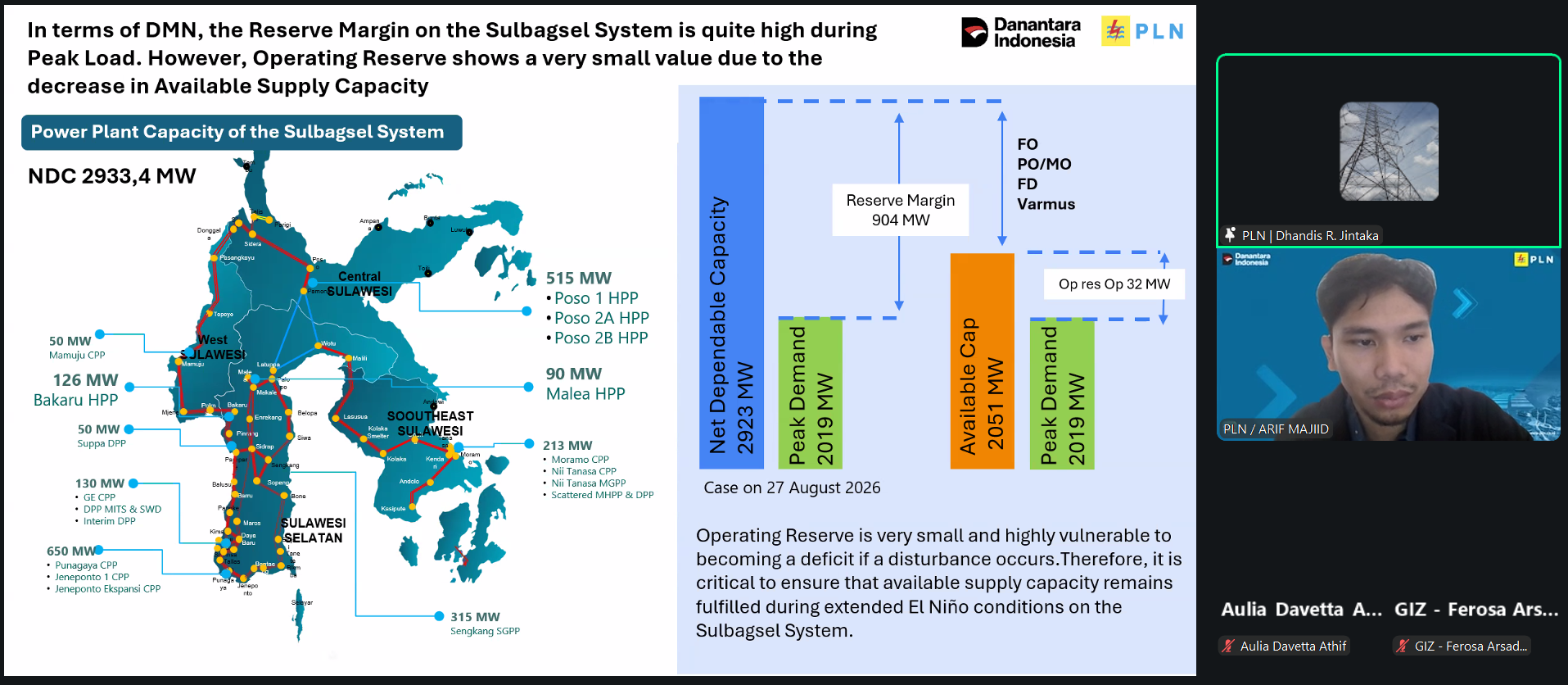
Photo 4. Indonesia’s energy utility, PLN, presenting their updates online.
Day one continued with updates on climate risk assessments for energy infrastructure by ASEAN energy utility representatives. The first update was from Indonesia’s Perusahaan Listrik Negara (PLN), they outlined their efforts to strengthen system resilience against super El Niño risks through measures such as adjusting hydropower operating patterns, weather modification technology, and integrating solar PV and battery storage into hydropower systems, alongside interest in knowledge-sharing with other ASEAN utilities on these approaches. The second update, from Thailand’s Electricity Generating Authority of Thailand (EGAT), presented the utility’s Water Intelligence Center, Renewable Energy Forecast and Control Centre, and wide-area monitoring systems, alongside its “Triple S” strategy of Sources, Sink, and Support. The third and last update, from Malaysia’s Tenaga Nasional Berhad (TNB), presented its three-part Climate Adaptation Strategy covering comprehensive climate risk assessment, adaptation planning for high-risk assets, and crisis management, built around five main climate hazard classifications: flood, extreme heat, extreme wind, coastal inundation, and soil movement, with drought recently added given the current El Niño.
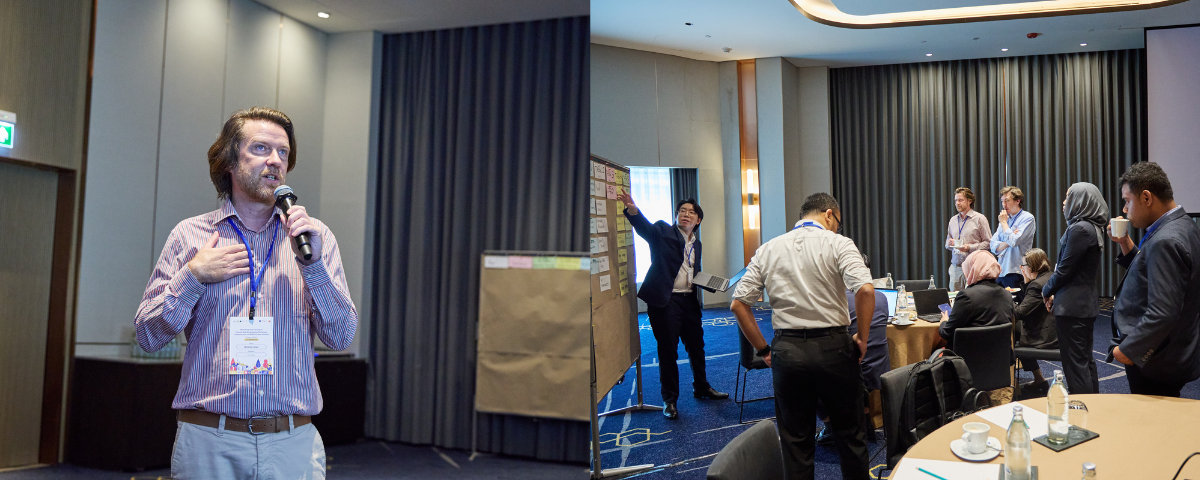
Photo 5 and 6. Wolfram Lange, Climate Risk and Adaptation Specialist, introduced the training on climate risk adaptation for energy infrastructure (left), and participants of the workshop engaging with the training (right).
The session continued with the introduction of the Training on Climate Risk Assessment for Energy Infrastructure, delivered by Wolfram Lange, Climate Risk and Adaptation Specialist. He distinguished climate mitigation, which addresses the causes of climate change, from climate adaptation, which addresses its effects, and explained why adaptation matters across the entire energy value chain as demand rises even as climate impacts disrupt generation and supply. He introduced the Public Infrastructure Engineering Vulnerability Committee (PIEVC) Green Protocol as a structured, highly participatory, and internationally applied methodology that bridges climate science and infrastructure engineering through a step-by-step process spanning project definition, data gathering, risk assessment, engineering analysis, reporting, and adaptation analysis.
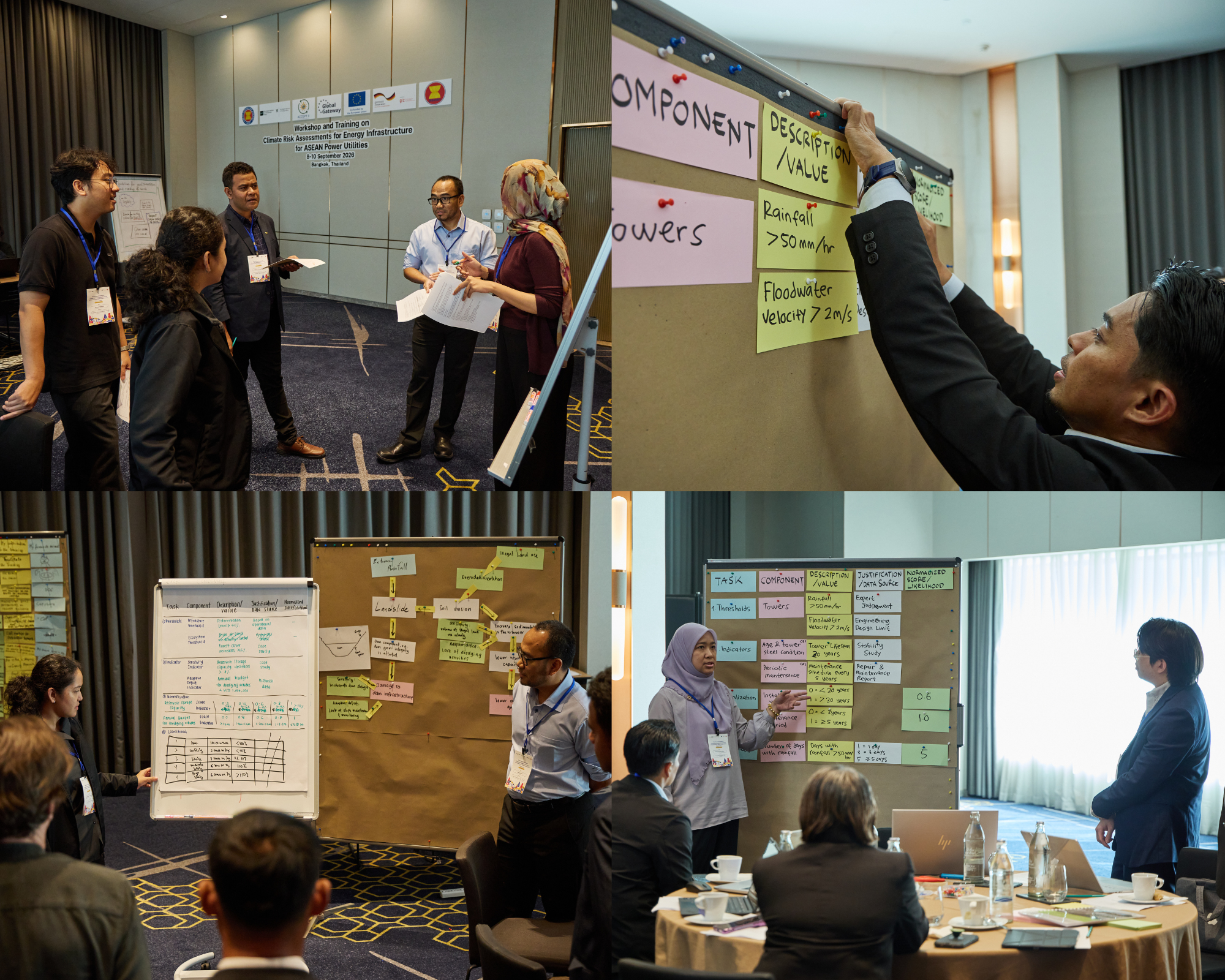
Photo 7-10. Activities done by participants on the second day of training.
On the second day of the training, participants moved from concept to practice through a simplified case study application of the PIEVC Green Protocol. The morning session guided participants through the first step of the protocol, followed by a session on identifying risk factors by building climate impact chains, where participants worked through the concept of climate risk definition before applying it in further breakout group exercises. The afternoon continued this work with additional breakout exercises on climate impact chains, before turning to the last session of the day on the identification of thresholds, indicators, and normalisation, which are key technical steps in translating climate hazards into measurable risk indicators.
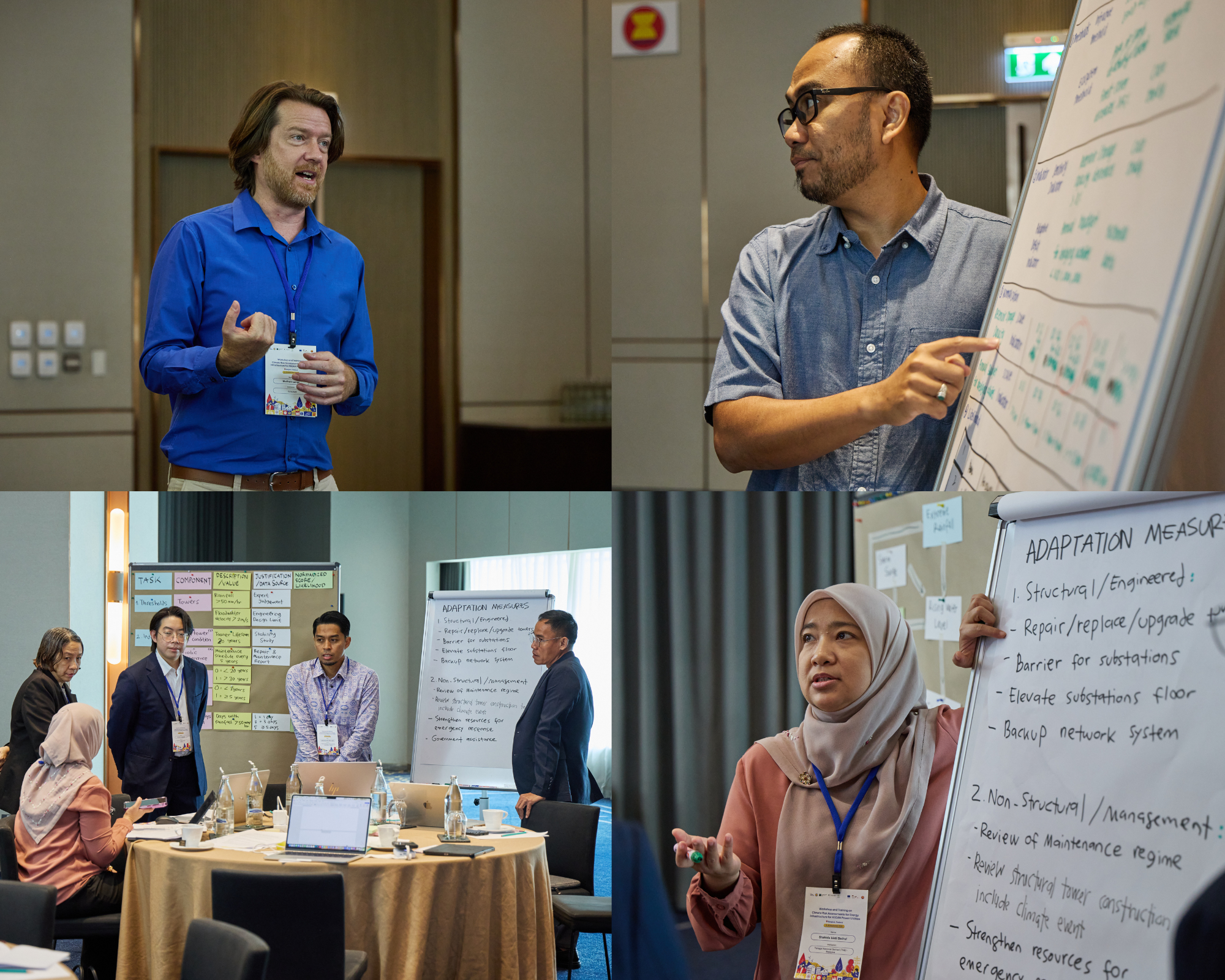
Photo 11-14. Activities done by participants on the third day of training.
The third and final day of the training opened with a session on calculating scores and climate risk, covering how indicators and likelihoods are aggregated into a climate risk score, followed by a session on identifying adaptation options, in which participants examined the range of possible adaptation approaches and measures available to utilities. The afternoon session on prioritising and selecting adaptation options started by introducing prioritisation methodologies to help participants weigh and select among the adaptation measures identified earlier in the day.
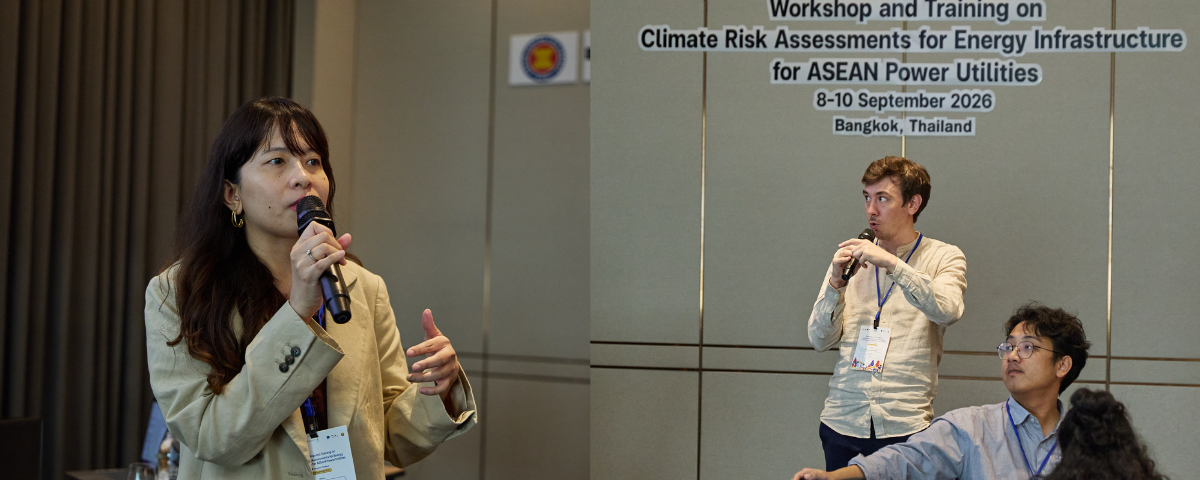
Photo 15 and 16. Closing remarks from Aldilla Noor Rakhiemah, Project Manager of ACCEPT (left), and Tiphaine Atzberger, Energy Component Advisor at GIZ (right).
The workshop and training concluded with a session on reflections and the way forward, in which participants considered the applicability of climate risk assessments in their national and institutional contexts, how climate resilience can be integrated into utility planning and asset management, and the data, institutional, and capacity requirements needed to carry this work forward. Participants also put forward key recommendations for developing practical guidance on integrating climate risk assessments into energy infrastructure planning and national energy scenarios, as well as priorities for regional cooperation and capacity development. Following an evaluation and feedback session, closing remarks were delivered by Tiphaine Atzberger from GIZ and Aldilla Noor Rakhiemah from ACCEPT.
By bringing ASEAN power utility representatives and infrastructure operators together with climate and engineering specialists over three days of dialogue and hands-on training, the workshop advanced ASEAN’s shared effort to embed climate resilience into the planning and operation of the region’s power systems, a step that ACCEPT sees as essential towards enhancing cooperation on climate-resilient energy infrastructure across ASEAN and supporting goals set out in APAEC 2026–2030.
Detailed information on ACCEPT II can be found at https://accept.aseanenergy.org/
Follow our social media to stay updated on ASEAN’s energy-climate nexus and ACCEPT activities.