
Jakarta, 15 July 2026
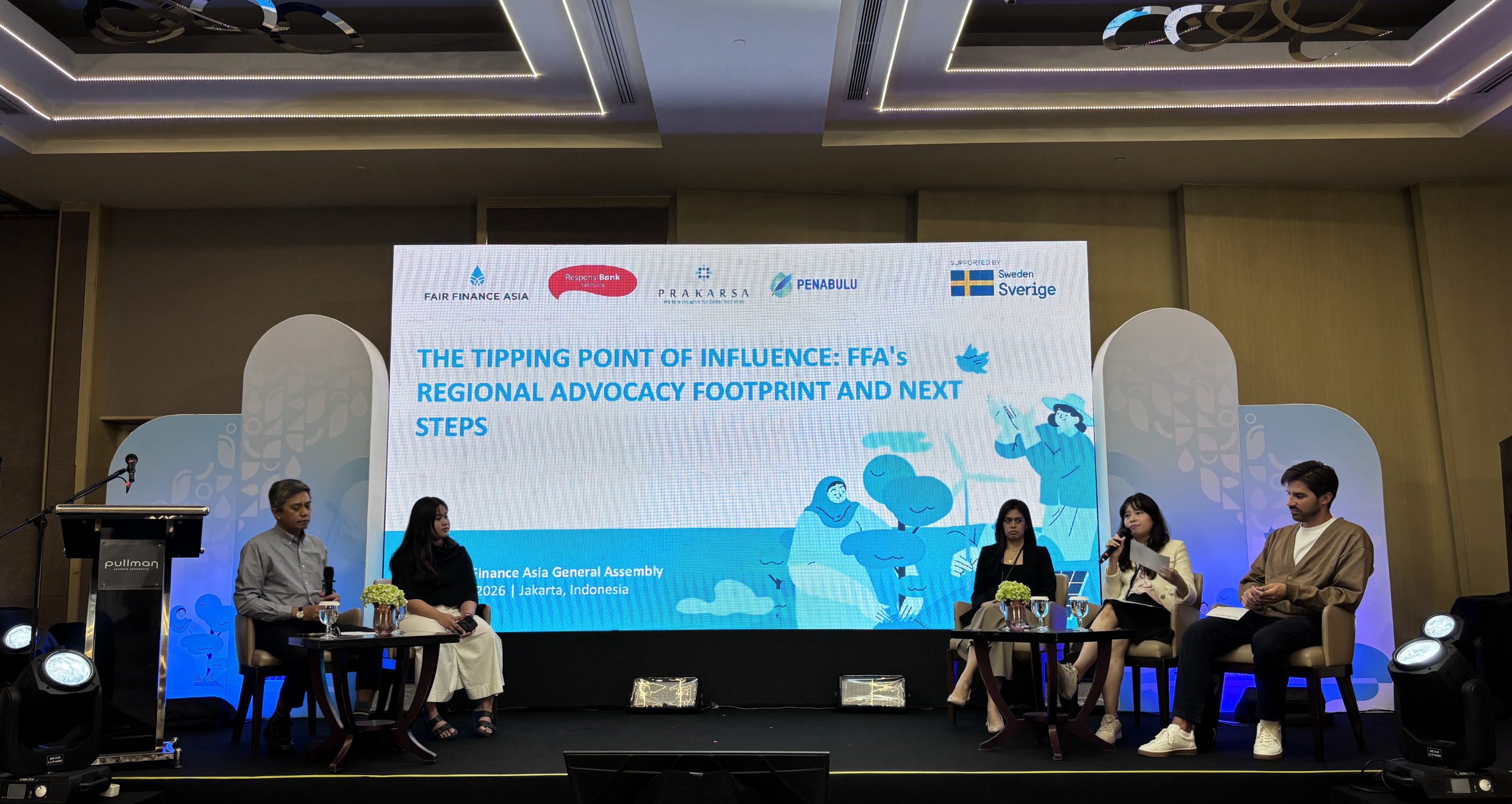
Photo 1. The Fair Finance Asia (FFA) General Assembly, panel session “The Tipping Point of Influence: FFA’s Regional Advocacy Footprint and Next Steps“
Jakarta, 15 July 2026 – The ASEAN Centre for Energy (ACE) participated in the Fair Finance Asia (FFA) General Assembly, which convened civil society coalitions, researchers, financial sector advocates, and strategic partners from across Asia. As an annual convention, the event aimed to ensure that financial systems are more responsive to the needs of the people and the planet. This year’s gathering marks an important transition point for FFA, as it moves to the next phase of its advocacy efforts.
Representing ACE, Ms Aldilla Noor Rakhiemah, Senior Officer of the Energy Modelling and Policy Planning Department and Project Manager of the ASEAN Climate Change and Energy Project (ACCEPT) spoke at the panel titled “The Tipping Point of Influence: FFA’s Regional Advocacy Footprint and Next Steps“. She spoke alongside Bernadette Victorio, Progamme Lead of FFA, Haidy Ear Dupuy, Head of the NGO and Civil Society Center (NGOC) at the Asian Development Bank (ADB), Daniel Boyco, Project Coordinator at Fair Finance International, and Eiren Buenviaje of the Youth Advocates for Climate Action Philippines (YACAP).
As an intergovernmental organisation, ACE provides a regional point of view on how energy policy, cross-border cooperation, and social advocacy intersect across ASEAN. One of the key entry points is the energy cooperation blueprint—the ASEAN Plan of Action for Energy Cooperation (APAEC) 2026-2030. Channeling through this platform can help deepen dialogue and collaboration for a just and inclusive energy transition across ASEAN, while connecting civil society perspectives from FFA’s network with regional policy processes.
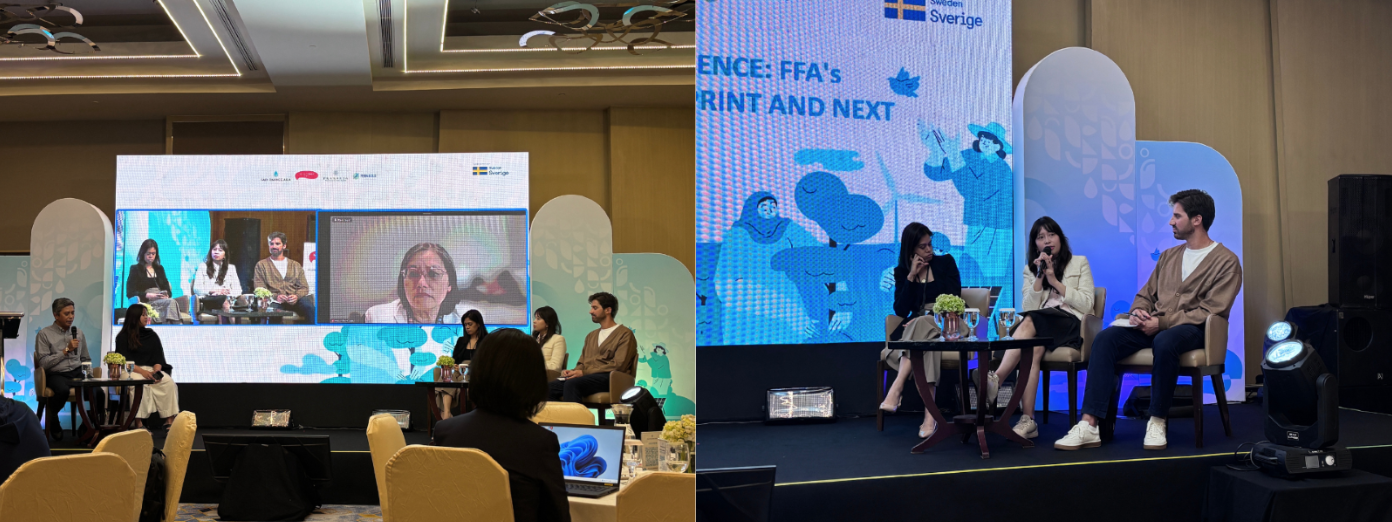
Photo 2. Panel session “The Tipping Point of Influence: FFA’s Regional Advocacy Footprint and Next Steps“. (Left to right) Ah Maftuchan, PRAKARSA (moderator), Eiren Buenviaje of YACAP, Haidy Ear-Dupuy of ADB, Bernadette Victorio of the FFA, Aldilla Noor Rakhiemah of ACE, and Daniel Boyco of Fair Finance International.
Ms Aldilla shared that ACE has been working to advance just and inclusive energy transition principles within ASEAN’s regional cooperation framework, highlighting the importance of sustained engagement in building institutional understanding and trust. One milestone was the ASEAN Energy Business Forum 2024, held alongside the ASEAN Ministers on Energy Meeting, where civil society organisations participated in an ASEAN-level energy dialogue for the first time and shared their experiences with regional decision-makers.
ACE has also collaborated with Oxfam on developing the “A Guide to Just and Inclusive Energy Transition“, providing a practical reference for integrating Gender Equality, Disability, and Social Inclusion (GEDSI) considerations into regional energy policy and planning.
Building on this momentum, ACE and its partners convened the first ever ASEAN Energy Gender Forum in 2025, followed by the broader ASEAN Energy Gender Week 2026 that brought together more partners and convened more policymakers and related stakeholders; including Indigenous Peoples and peoples with disabilities, at the regional stage. These initiatives helped create a dedicated platform to discuss how GEDSI should be integrated at the institutional level.
Acknowledging that institutional progress takes time, Ms Aldilla highlighted that these developments demonstrate how continuous advocacy and intentional inclusion can create change within regional processes. Progress may begin through technical discussions and introduction of the GEDSI perspective in a gradual manner with related stakeholders. In this sense, the idea of a “tipping point” in regional advocacy can be seen through the accumulation of gradual changes—bringing to the center issues that were previously considered peripheral.
For the region, the next step is to move from policy recognition to implementation. Through the APAEC and ACE’s regional networks, including engagements with the FFA and civil society organisations, regional energy cooperation can become more responsive not only to ASEAN’s energy objectives, but also the social outcomes of the energy transition.
(NA)
** Join our ASEAN Researchers Network on Climate Change (ARNECC) by registering yourself here. Become a part of our collaborative efforts to address pressing climate challenges and shape a sustainable future.
Detailed information on ACCEPT II can be found at https://accept.aseanenergy.org/
Follow our social media to stay updated on ASEAN’s energy-climate nexus and ACCEPT activities.