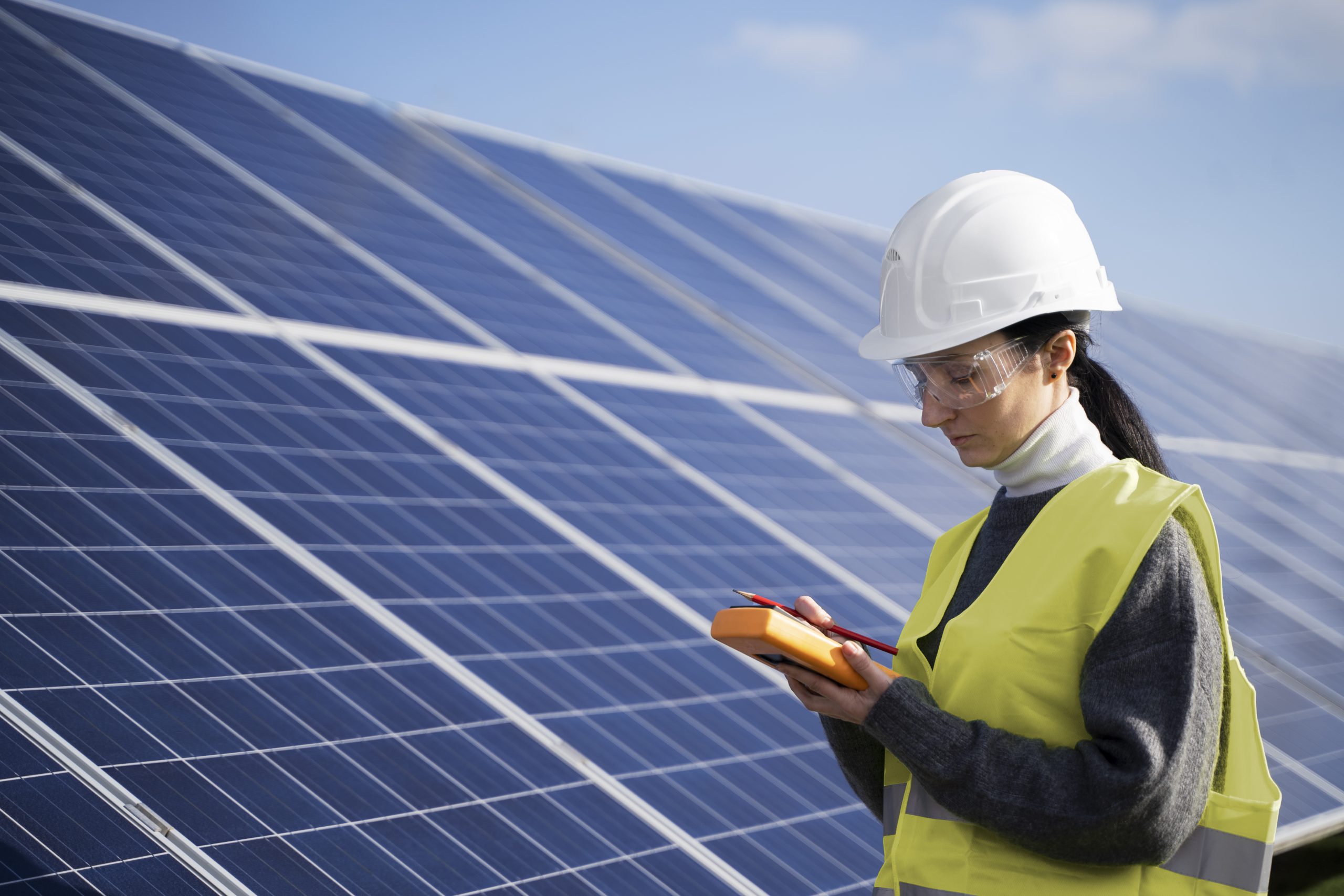
Beyond Carbon Market: Financing ASEAN’s Energy Transition


Tuesday, 7 July 2026
As Southeast Asian countries target net-zero by 2050, the region faces the challenge of balancing growing energy demand with decarbonisation goals while fossil fuels continue to dominate the energy mix. As one of the largest sources of emissions across ASEAN, the energy sector will play a central role in determining whether these climate ambitions can be achieved. Pursuing these ambitions will require substantial investment in low-carbon technologies and energy infrastructure, with annual clean power investment needs estimated at USD 11.5–79.5 billion, suggesting an even larger financing requirement for ASEAN’s broader energy transition. Given the scale of investment required, conventional financing sources alone are unlikely to be sufficient, highlighting the need for additional financing mechanisms to support the energy transition. Without stronger investment flows, ASEAN risks falling short of its renewable energy and decarbonisation ambitions despite growing policy commitments.
This article is published on BusinessToday. Read the full piece here.
**
Indira Pradnyaswari is a Research Analyst of ACCEPT II and Aulia Davetta Athif is Research Assistant of ACCEPT II. The views expressed in this article are those of the author and do not necessarily reflect those of the ASEAN Centre for Energy or its partners.
Cover image source: rawpixel.com / Freepik