
Jakarta, 20 November 2025
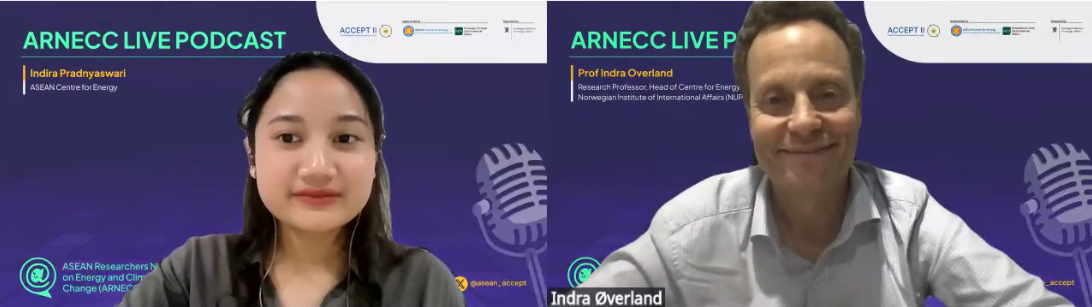
Photo 1. (Left to right) Ms. Indira Pradnyaswari, Research Analyst of ACCEPT and Prof. Indra Overland, Head of the Centre of Energy Research at the Norwegian Institute of International Affairs (NUPI)
Jakarta, 20 November 2025 – In November’s episode of ASEAN Researchers Network on Energy and Climate Change (ARNECC) Live Podcast, the ASEAN Climate Change and Energy Project (ACCEPT) returned with a fresh discussion on the energy-climate nexus. In the third podcast, Prof. Indra Overland, Head of the Centre of Energy Research at the Norwegian Institute of International Affairs (NUPI), shared his insights on the integration of sectoral commitments in ASEAN countries’ climate plans, particularly the transportation sector. Ms. Indira Pradnyaswari, Research Analyst of ACCEPT, moderated the session and Ms. Nathania Azalia, Research Assistant of ACCEPT II, as the Master of Ceremony.
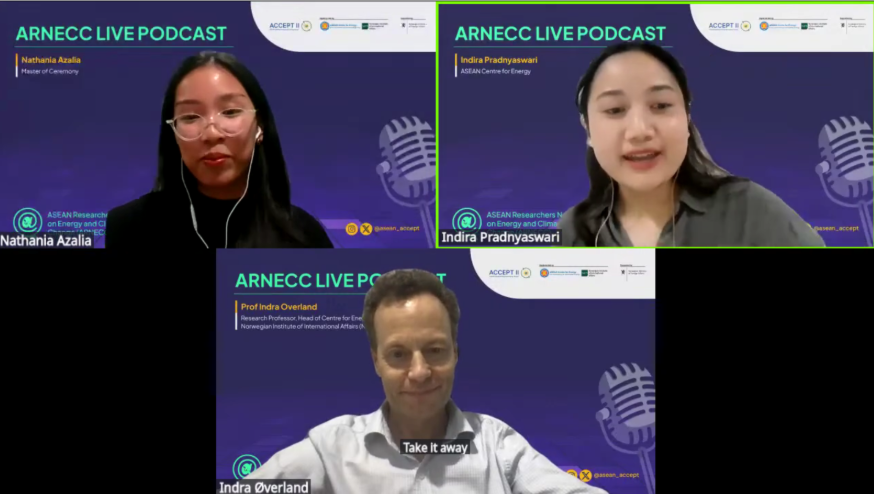
Photo 2. (Left to right) Nathania Azalia, Research Assistant of ACCEPT II, Ms. Indira Pradnyaswari, Research Analyst of ACCEPT and Prof. Indra Overland, Head of the Centre of Energy Research at the Norwegian Institute of International Affairs (NUPI)
Kickstarting the discussion, Prof. Indra shared his interest and experiences in energy transition and climate change, especially in Southeast Asia. He noted that the region has a significant importance in the global energy transition landscape—with high population and economic growth, in tandem with increasing energy consumption and greenhouse gas emissions. Moreover, with the spotlight on this year’s submission of the Nationally Determined Contribution (NDC) update, he highlighted the concern to formulate detailed climate commitments so that countries can project possible pathways to decarbonise.
The discussion on the topic of public transportation mainly derived from Prof. Indra’s recently published paper titled “Does ASEAN climate policy pay sufficient attention to public transportation?.” Based on the findings, decarbonising the transport sector has many co-benefits in the context of climate mitigation. Aside from reducing emissions, giving more attention to transportation could help increase quality of life, such as combating air and noise pollution, increasing inclusivity, and creating jobs to boost the economy.
While Southeast Asia has many megacities, with millions of people commuting every day, not much attention has been given to developing and expanding public transportation. Prof. Indra suggested that there should be more initiatives and encouragement for public transportation at the ASEAN level. He also noted that the different levels of development of the countries in the region should be taken into account when formulating initiatives—avoiding a one size-fits-all solution and focusing on shared principles. He added, political will of each nation is also prominent to boost relevant projects on public transportation.
During the question-and-answer session, a member of the audience asked questions related to the political and institutional barriers preventing the prioritisation of public transportation in climate strategies. Another asked about the concerns around energy security when pushing for low-carbon transition. Prof. Indra explained that there is already a shift in perspective that low-carbon technologies can support energy security. However, ASEAN countries need to create more attractive regulations of policies to support public transportation, which will in turn facilitate investments in the sector. Moreover, although private vehicles sale in ASEAN is categorised as a ‘high-demand industry,’ establishing and investing in mass transportation will be more beneficial for a long-term infrastructure plan.
From ASEAN’s point of view, Ms Indira added that ACE has organised a series of workshops on ‘Advancing Policy for Transport System Efficiency.’ On that occasion, Member States such as Indonesia, Lao PDR, Philippines, and Thailand have agreed on sharing common priorities in integrating transportation systems, improving data and standards, and securing funding for further transportation developments in the country. Ms Indira also emphasised the role of the transportation sector under the new ASEAN Plan of Action for Energy Cooperation (APAEC) 2026-2030, especially under the scope of Energy Efficiency and Conservation programme area. Under the programme, ASEAN will focus on accelerating the adoption of energy efficiency across key end-use sectors, strengthening regulatory frameworks, promoting innovation, and enhancing regional cooperation to achieve sustainable and inclusive benefits. Moreover, under the transportation sector, the region will foster decarbonisation by strengthening fuel economy standards for light and heavy-duty vehicles, promoting fuel switching and advancing low-carbon mobility solutions, encouraging public transportation infrastructure, and innovative financing.
Through the insightful discussion, the live podcast highlighted the need for comprehensive climate action through sectoral targets—especially public transportation. With the many co-benefits it presents for climate mitigation, the sector can help the region drive climate action and provide better quality of life for the people in the region.
(NA)
** Join our ASEAN Researchers Network on Climate Change (ARNECC) by registering yourself here. Become a part of our collaborative efforts to address pressing climate challenges and shape a sustainable future. Detailed information on ACCEPT II can be found at https://accept.aseanenergy.org/ Follow our social media to stay updated on ASEAN’s energy-climate nexus and ACCEPT activities.