
Jakarta, 26 September 2025
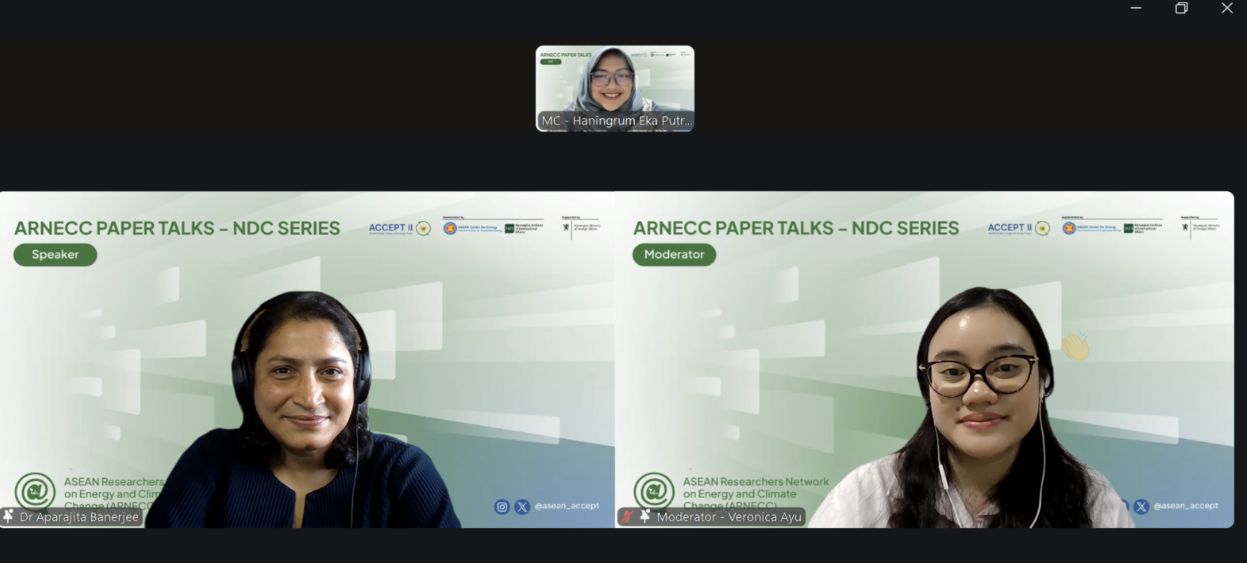
Photo 1. Dr. Aparajita Banerjee, Senior Researcher at the German Institute of Development and Sustainability (IDOS) and Ms. Veronica Ayu Pangestika, Research Analyst of Sustainable and Renewable Energy Department at the ASEAN Centre for Energy.
The ASEAN Researchers Network on Energy and Climate Change (ARNECC) was back with another engaging discussion, bringing together academics, policymakers and civil society representatives eager to discuss the region’s evolving climate commitments through ARNECC Paper Talks. In the latest edition, the ASEAN Climate Change and Energy Project (ACCEPT) II invited Dr. Aparajita Banerjee, Senior Researcher at the German Institute of Development and Sustainability (IDOS), to share her latest work on gender and climate action.
Known for her expertise in environmental governance and just transitions, she presented her policy brief “Advancing Gender Equality in Climate Action through NDC 3.0: Insights from the LDCs.” Her presentation highlighted how women in least developed countries face the brunt of climate change, the risks posed by shrinking international assistance, and the critical opportunity offered by the upcoming round of Nationally Determined Contributions to embed gender equality in climate action.
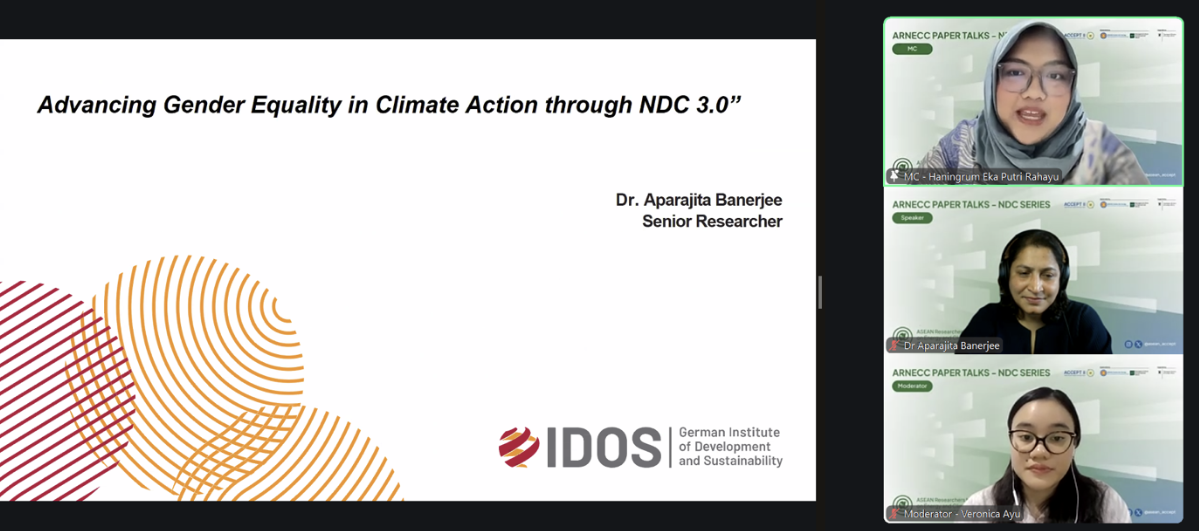
Photo 2.Ms. Haningrum Eka Putri Rahayu as the Master of Ceremony opening the session for Dr. Aparajita’s presentation titled,” Advancing Gender Equality in Climate Action through NDC 3.0”
The session opened with a warm welcome from Ms. Haningrum Eka Putri Rahayu, Research Assistant for ACCEPT II as the Master of Ceremony, and moderated by Ms. Veronica Ayu Pangestika, Research Analyst of Sustainable and Renewable Energy (SRE) Department at the ASEAN Centre for Energy. Dr Aparajita highlighted the varied experiences of gender inequality across countries, with developing countries and least developed countries (LDCs) generally experiencing high to moderate gender gaps.
She addressed that while some transition countries are gradually narrowing the gender gap, most LDCs still struggle with high to moderate disparities. This challenge is especially visible in ASEAN member states such as Cambodia, Lao PDR and Myanmar, which rank among the highest in the World Economic Forum’s 2024 Global Gap Index. This, she noted, makes the preparation of NDC 3.0 a pivotal moment to integrate gender equality into climate action, where carefully targeted development assistance could deliver transformative benefits.
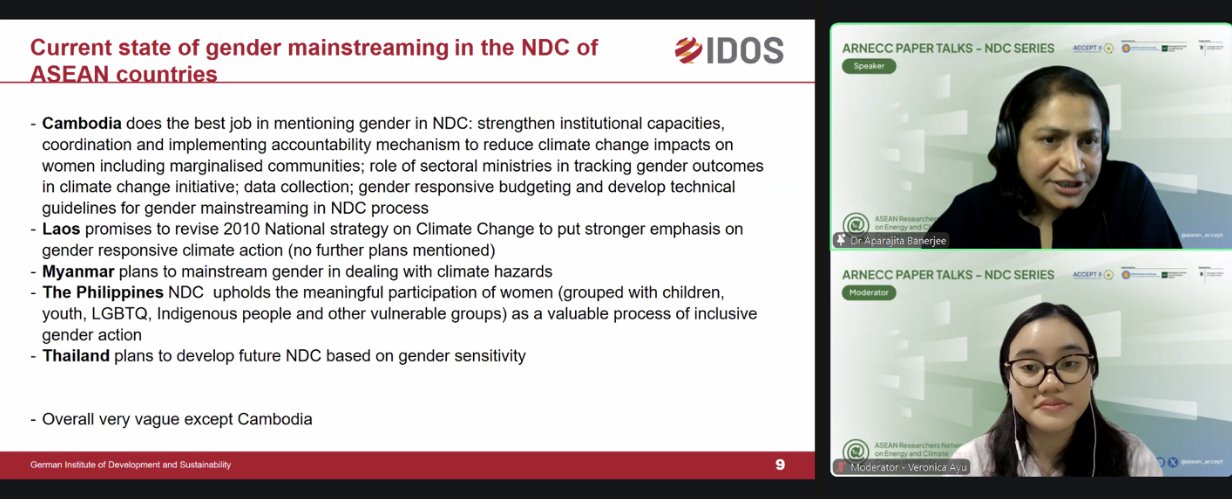
Photo 3.Dr. Aparajita describing the current state of gender mainstreaming in NDC of ASEAN countries.
Dr. Aparajita then shifted the audience’s focus to the latest NDC 2.0 reports, noting that gender remains more a footnote than a feature. In many LDCs, references to gender are vague, lack follow-up plans, and are rarely supported by coherent policies, leaving adaptation efforts shallow and mitigation limited largely to agriculture. She stressed that genuine progress requires gender mainstreaming across all sectors of climate action, from environmental protection to the circular and digital economy, so women and men alike can participate fully and benefit from the transition.
The conversation deepened during the Q&A session. One participant asked how women and vulnerable groups can have a real voice in local climate decisions. Dr. Aparajita said this requires leadership training, inclusive platforms and creative ways of using technology to reach a larger audience.
Another raised a question about what indicators should be included in NDCs to track gender-responsive outcomes and ensure that commitments are implemented on the ground. In response, Dr. Aparajita called for stronger national ownership of the Gender Action Plan and warned against treating climate and gender as mere technical issues. She urged governments and society to recognise their wider social impacts and design measures that address them.
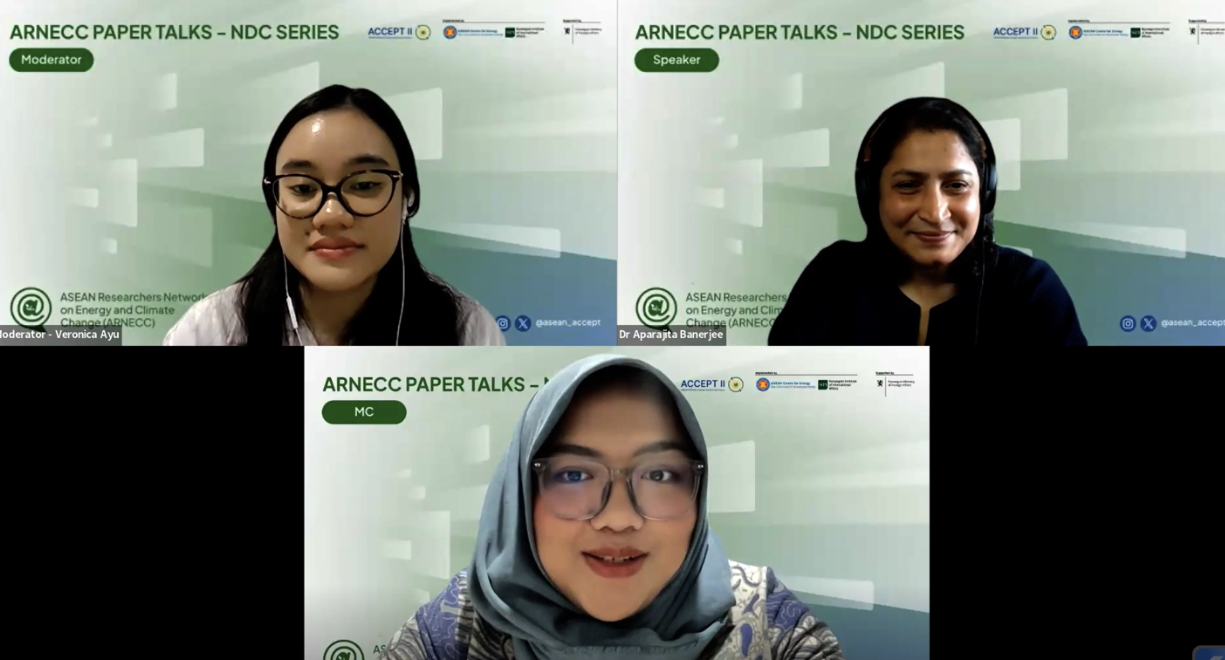
Photo 3. Ms. Putri concluded the session before officially closing ARNECC Paper Talk #3.
Toward the end of the session, Ms. Putri, acting as MC, concluded by underscoring Dr. Aparajita’s earlier points about how women often bear the brunt of climate change due to their specific socioeconomic roles. Addressing this imbalance requires embedding gender considerations into every stage of policymaking and across society. Integrating gender perspectives in climate change mitigation not only ensures fairness but also creates space for all genders to contribute meaningfully.
Yet, achieving truly gender-transformative outcomes demands time, sustained funding, and rigorous research to produce evidence-based solutions. In this context, data collection should serve not as an end in itself but as a tool to guide and advance these broader goals.
(LL)
**
Join our ASEAN Researchers Network on Climate Change (ARNECC) by registering yourself here. Become a part of our collaborative efforts to address pressing climate challenges and shape a sustainable future.
Detailed information on ACCEPT II can be found at https://accept.aseanenergy.org/
Follow our social media to stay updated on ASEAN’s energy-climate nexus and ACCEPT activities.