
Thursday, 23 July 2026
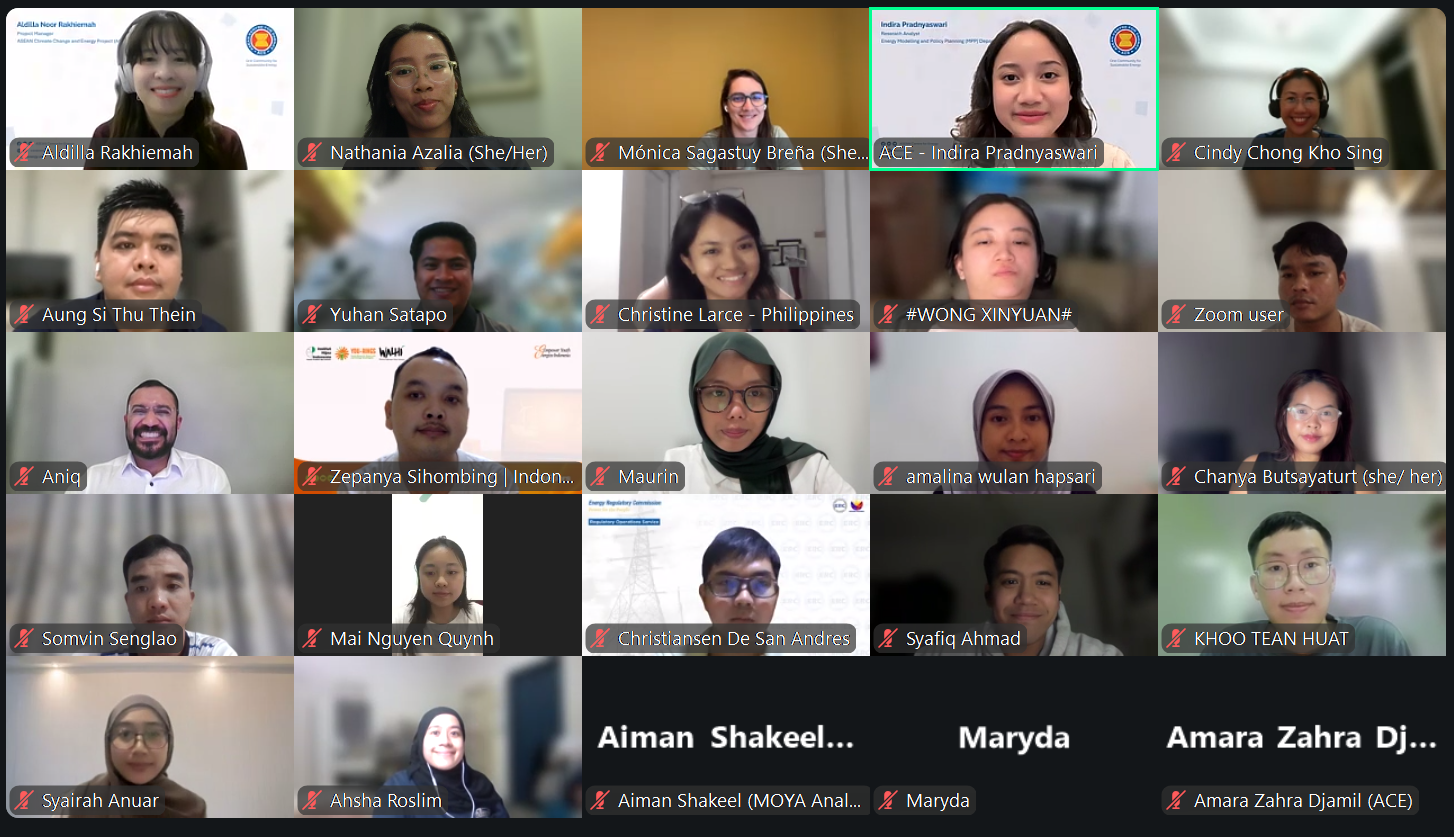
Photo 1. Group Photo of the ARNECC Energy-Climate Training Programme.
Online, 13-17 July 2026 – The ASEAN Climate Change and Energy Project (ACCEPT) officially launched the ARNECC Energy-Climate Training Programme, the first capacity-building initiative under the ASEAN Researchers Network on Climate Change (ARNECC). Building on the success of the ARNECC Webinar Series, the programme was designed to help students, early-career researchers, analysts, and young professionals from ASEAN Member States move beyond general awareness of the energy-climate nexus and develop the analytical and problem-solving skills needed to engage with real-world energy and climate challenges. As the first training programme under ARNECC, the initiative is intended to nurture future energy-climate practitioners and lay the groundwork for future ARNECC capacity-building activities across the region.
The training programme was delivered in collaboration with MOYA Analytics, a Singapore-based company supporting governments, organisations, and businesses in addressing energy and climate challenges through data-driven analysis and practical planning tools. Under the collaboration framework, ACCEPT serves as the institutional convenor and regional coordinator while MOYA Analytics serves as the lead technical partner, developing the curriculum and providing training throughout the programme.
Running as a five-day intensive online course from 13 to 17 July 2026, the programme brought together 20 selected participants from more than 1,200 applications hailing from all 11 ASEAN Member States (AMS). The programme combines five daily one-hour live online sessions with guided assignments and self-paced learning resources.
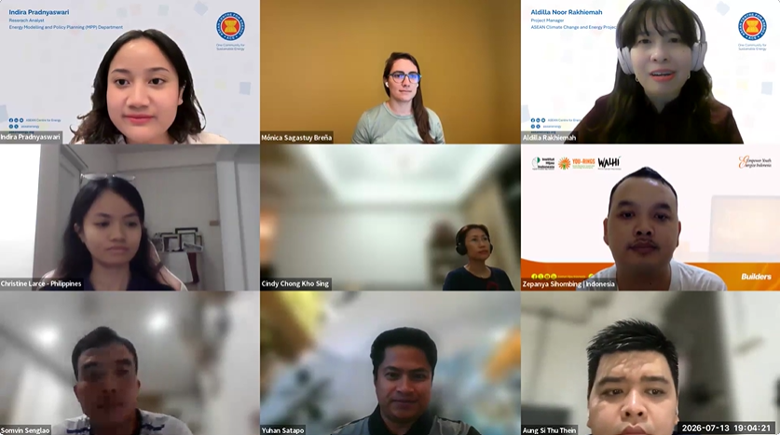
Photo 2. Opening remarks by Aldilla Noor Rakhiemah, Project Manager of ACCEPT.
The first day of the training programme was opened with welcoming remarks delivered by Aldilla Noor Rakhiemah, Project Manager of ACCEPT. In her address, Ms. Aldilla congratulated the 20 selected participants and note that the training comes at a critical juncture for the region, as ASEAN’s energy demand continues to grow even as countries work to reduce emissions, strengthen energy security, and respond to climate change, issues that are closely interconnected and cannot be addressed in isolation. She also encourages participants to be active, curious, and critical throughout the sessions while also underscored that the programme is equally about learning to ask better questions, understand different future scenarios, and translate technical analysis into insights that are useful for policy and decision-making. She added that young professionals and researchers have an important role to play in shaping ASEAN’s energy future, one that connects energy, climate policy, and complex social considerations into recommendations that people can actually use.
The training started with the introduction of the fundamentals of the energy challenge, the building blocks of energy systems, existing modelling software, and an introduction to the Global Mitigation Potential Atlas (GMPA) developed by MOYA Analytics and its partners. The second day continued with the topic of translating real energy systems to model variables. The day covered the fundamental rules of energy balance, in which energy supply must always satisfy the energy demand, showing options on what can be done if one exceeds the other and the effect it can bring to energy systems. This is then continued explanations on energy flow and constraints, optimisation problems, and trade-offs in energy systems, and how all of this can be translated into model definitions.
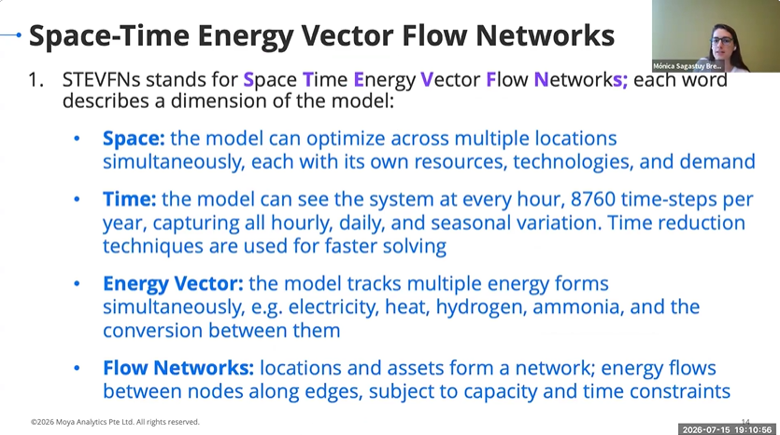
Photo 3. Introduction to the STEVFNs Framework during the online training session.
The third day of the programme focuses on the energy modelling system, the STEVFNs Framework or the Space Time Energy Vector Flow Networks. STEVFNs is a structured convex optimisation framework built on Python that can simultaneously captures long-term energy system decisions on what and how much to build, alongside short-term hour-by-hour system operation, allowing participants to explore “what if?” questions across multiple scenarios and identify cost-optimal energy pathways. Participants were introduced to hands-on exercises using a live, open-source repository, working through real case studies involving solar, wind, storage, and fossil fuel assets across ASEAN locations.
The fourth lesson focuses on data collection, guiding participants through best practices in data collection where participants were introduced to the three key principles of good data collection and walked through STEVFNs’ standardised asset naming conventions. The session also covered how to source, calculate, and unit-convert key parameters, pointing participants to starting-point data sources such as IRENA’s Renewable Power Generation Costs report and the Climate Compatible Growth (CCG) Starter Data Kits. The fifth and last day of the training continue on the topic of data collection, guiding participants through sourcing and structuring electricity and industrial heat demand profiles, as well as data needs for the transport and cement sectors. The day concluded with final course notes and reflections, tying together the week’s training from foundational energy system concepts to the STEVFNs modelling framework and data collection best practices.
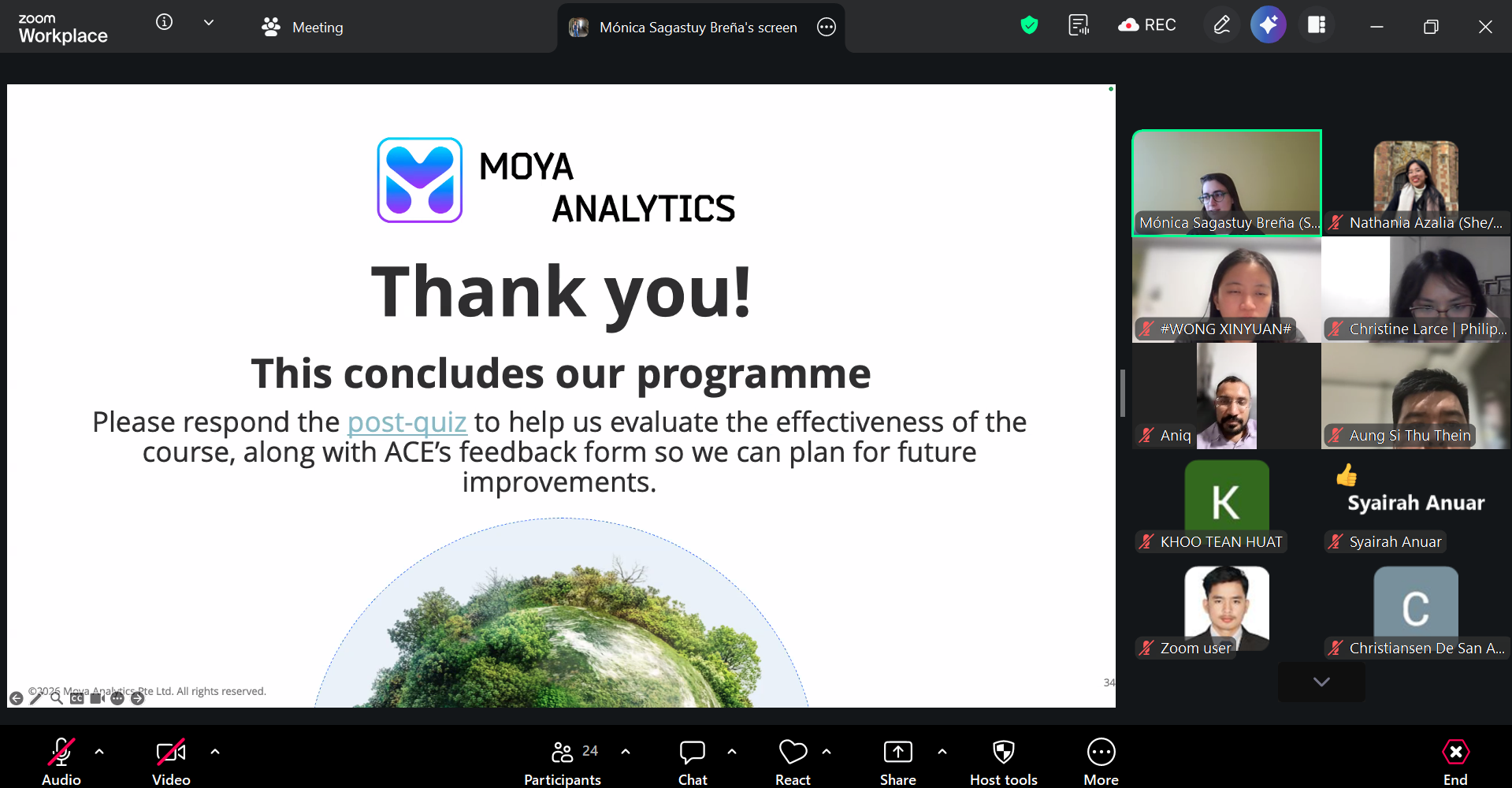
Photo 4. Closing of the ARNECC Energy-Climate Training Programme.
In the end of the training programme, participants who successfully complete all course requirements, attendance in all mandatory sessions and completion of assignments, receive a joint certificate of completion issued by ACE and MOYA Analytics, along with a completion incentive.
As ASEAN continues to navigate rising energy demand alongside the need to fulfil the region’s climate targets, the ARNECC Energy-Climate Training Programme marks a meaningful step in building the region’s next generation of energy-climate practitioners, by equipping them not just with technical modelling skills, but with the ability to translate complex analysis into insights that matter for policy and people.
** Join our ASEAN Researchers Network on Climate Change (ARNECC) by registering yourself here. Become a part of our collaborative efforts to address pressing climate challenges and shape a sustainable future.
Detailed information on ACCEPT II can be found at https://accept.aseanenergy.org/
Follow our social media to stay updated on ASEAN’s energy-climate nexus and ACCEPT activities.