
Jakarta, 19 October 2026
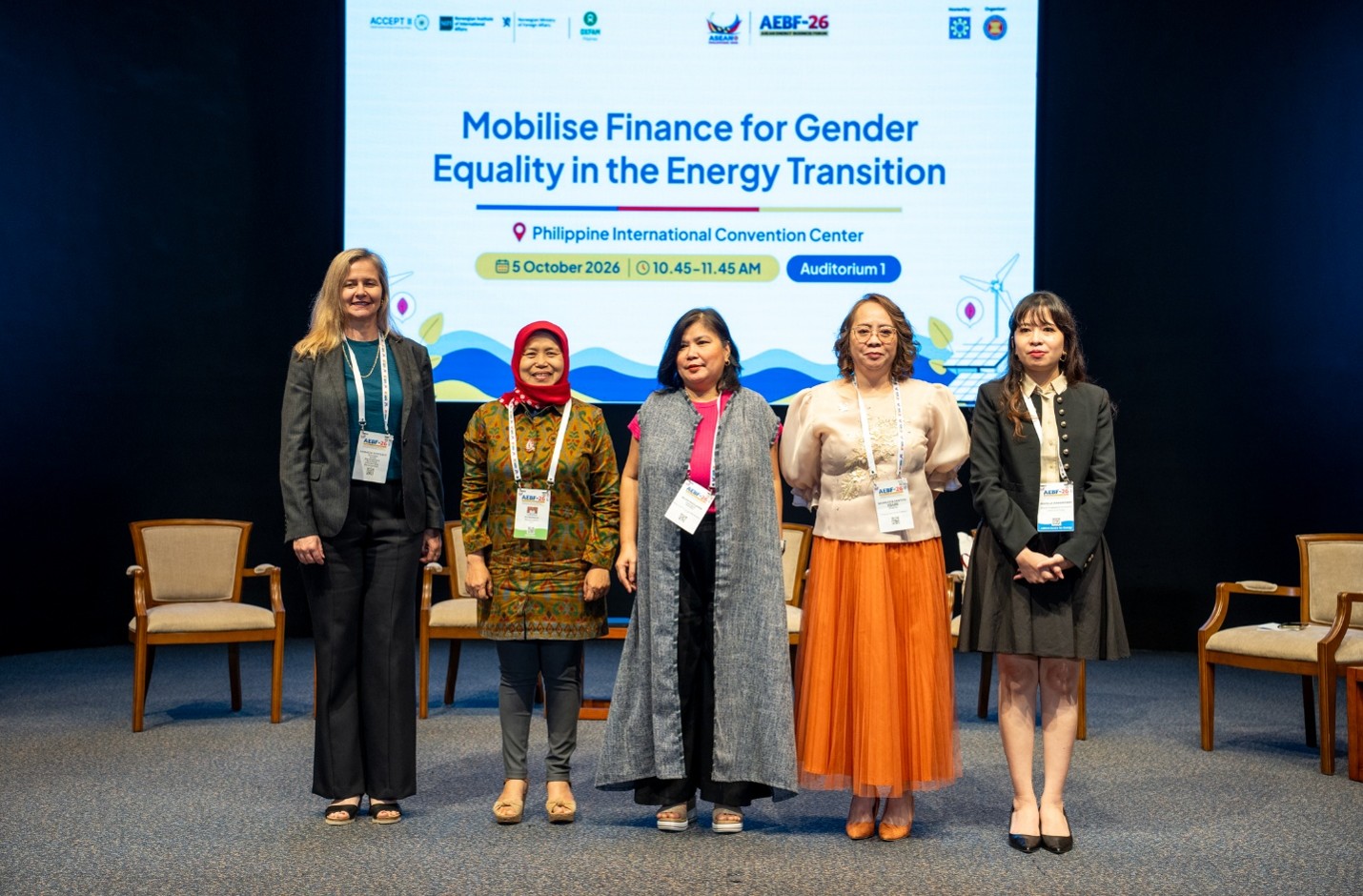
Photo 1. Group photo of the panellists and the moderator for the panel session.
Manila, 5 October 2026 – As part of the ASEAN Energy Business Forum 2026 (AEBF-26), the ASEAN Climate Change and Energy Project (ACCEPT) Phase II, implemented by the ASEAN Centre for Energy (ACE), in collaboration with Oxfam Pilipinas, convened a panel session with the topic “Mobilise Finance for Gender Equality in the Energy Transition“.
As the second of three panel sessions held by ACCEPT II in AEBF-26, the discussions aimed to explore how governments, development finance institutions, the private sector, and civil society can work together to turn gender commitments in the energy sector into funded and measurable action. As mobilising finance for gender equality in the energy transition remains a developing agenda in the region and key gaps persist in aligning public finance, private investment, and policy frameworks to support women’s participation across the energy value chain, from policy and planning to entrepreneurship, workforce participation, and leadership.
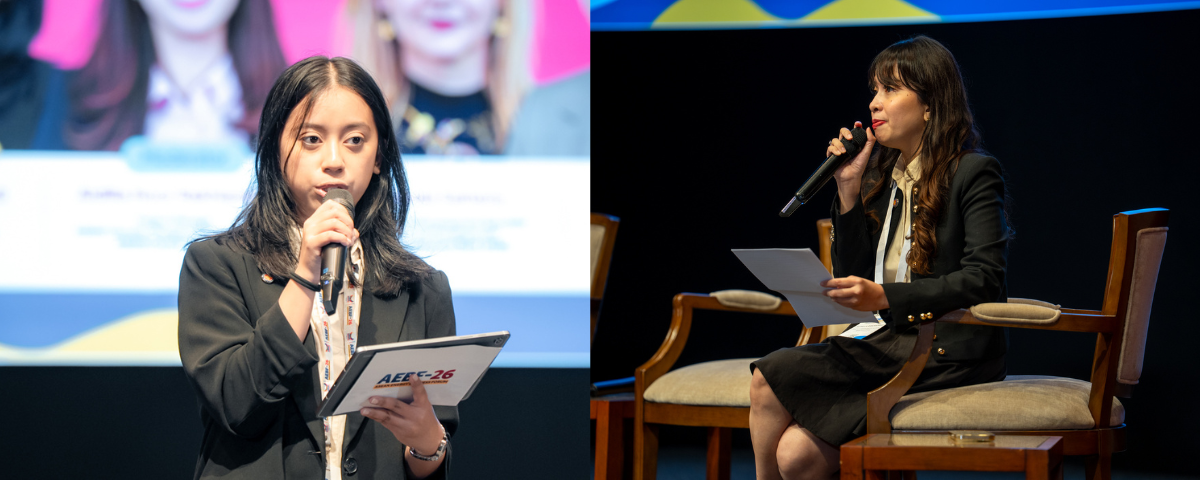
Photo 2 and 3. Auliya Febriyanti, Junior Research Analyst at ACE, as Master of Ceremony (left) and Aldilla Noor Rakhiemah, Project Manager of ACCEPT II, as Moderator (right).
The session was opened by Auliya Febriyanti, Junior Research Analyst at ACE, as the Master of Ceremony, and the panel was moderated by Aldilla Noor Rakhiemah, Project Manager of ACCEPT II. The panel session brought together four speakers from government, civil society, community-based energy, and development finance, each approaching the question of finance from four different key themes: finance for women’s economic activities in energy entrepreneurship; commercial lending, gender-lens credit, and measurable returns; the finance landscape of women-led micro, small, and medium enterprises (MSMEs) in the energy sector; and government financing instruments and incentives.
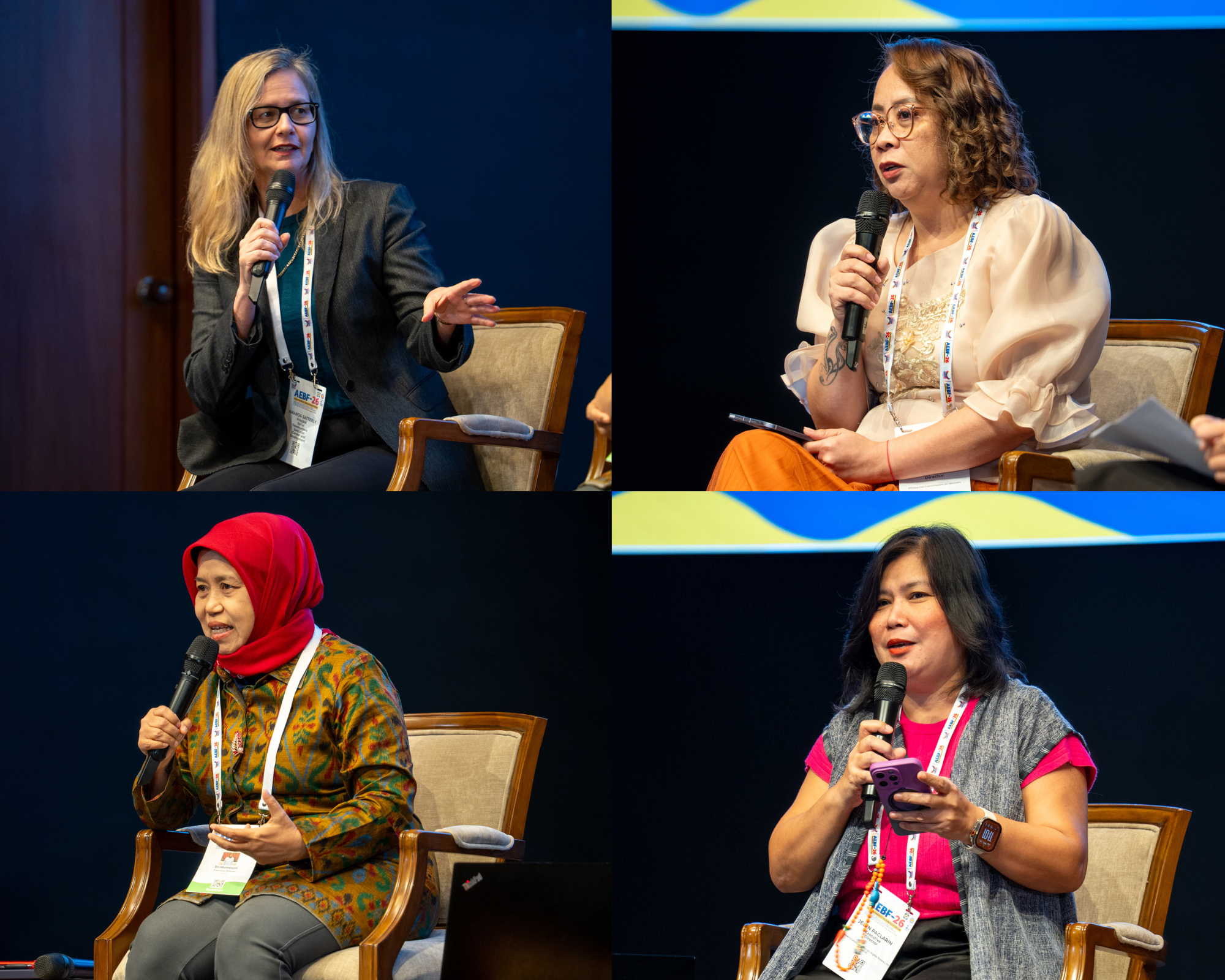
Photo 4 to 7. Amanda Satterly, Principal Social Development Specialist (Gender and Development) at the ADB (upper left), H.E. Nharleen Santos-Millar, Executive Director of the PCW (upper right), Tri Mumpuni, Executive Director of the IBEKA Foundation Indonesia (lower left), and Jelen Paclarin, Executive Director of the Women’s Legal and Human Rights Bureau (lower right).
H.E. Nharleen Santos-Millar, Executive Director of the Philippine Commission on Women (PCW), shared the perspective of gender-responsive public budgeting and the institutionalisation of gender in government finance in the discussion. Ms Nharleen shared how the Philippines’ requirement for government agencies to allocate at least 5% of their budgets to Gender and Development programmes was established and translated into practice, as well as the challenges agencies faced in using these budgets for energy and climate action.
Speaking from a legal and rights-based lens focused on women’s participation, structural inequalities, accountability, and access, Jelen Paclarin, Executive Director of the Women’s Legal and Human Rights Bureau, highlighted the structural barriers that keep women, particularly those in vulnerable or marginalised communities, from accessing finance and owning energy assets. She shared the accountability and safeguard mechanisms needed so gender-responsive financing can strengthen women’s rights, decision-making power, and long-term economic security rather than only meeting numerical targets.
Amanda Satterly, Principal Social Development Specialist (Gender and Development) at the Asian Development Bank (ADB), shared how financial institutions can integrate gender into sustainable finance through gender-sensitive loan-selection metrics, gender-responsive product development, and gender-lens investing. Ms Amanda shared examples in which these mechanisms can help bring measurable results on the ground and further discussed how development banks, governments, and private investors can turn ASEAN’s call for greater access to finance for women entrepreneurs into practice by addressing limited collateral, smaller project sizes, and perceived investment risks that often come up in such investment projects.
Tri Mumpuni, Executive Director of the IBEKA Foundation Indonesia, brought insights from the grassroots level, drawing on experiences in community-based renewable energy and rural women’s economic empowerment. The discussion with Ms Mumpuni explored the financing models that allow women and local communities to become owners and beneficiaries of energy projects rather than limiting them to end-users. Ms Mumpuni also highlighted that changes must happen in project design, financing requirements, and risk-sharing so that women-led and community-based energy enterprises can more easily access capital.
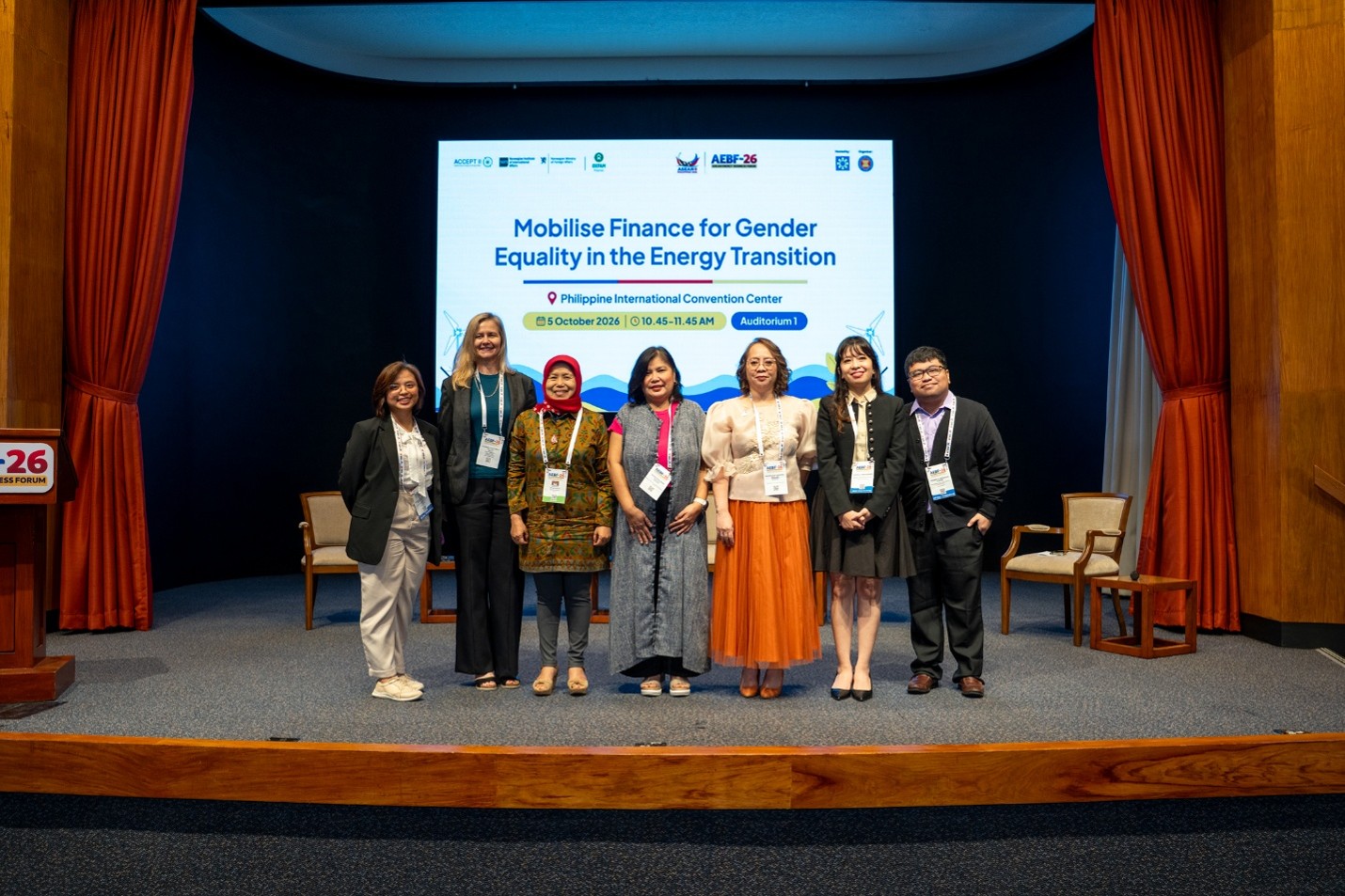
Photo 8. Panellists, moderator, and representatives of Oxfam Pilipinas.
This panel session at AEBF-26 reflected a growing recognition that gender equality in the energy transition depends as much on how it is financed as on how it is planned. Its focus on public budgets, gender-lens lending, and capital for women-led and community-based enterprises complements the region’s wider push for a just and inclusive energy transition and points to the next step for ASEAN, which is to move from gender commitments to funded, measurable, and accountable action.
Detailed information on ACCEPT II can be found at https://accept.aseanenergy.org/
Follow our social media to stay updated on ASEAN’s energy-climate nexus and ACCEPT activities.