
Jakarta, 28 August 2026
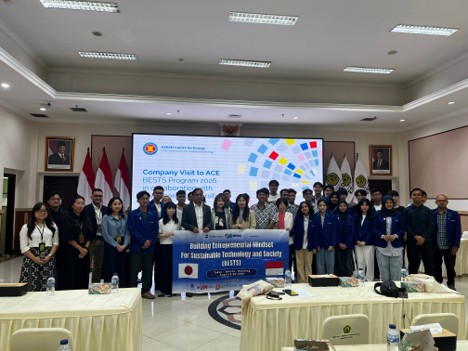
Photo 1. Group Photo of the BESTS Programme Company Visit
Jakarta, 12 August 2026 – The ASEAN Centre for Energy (ACE), supported by the ASEAN Climate Change and Energy Project (ACCEPT), once again hosted a visit from Sampoerna University and the Institute of Science Tokyo, welcoming this year’s cohort of the Building Entrepreneurial Mindset for Sustainable Technology and Society (BESTS) programme. As a project dedicated to raising awareness and understanding the energy-climate nexus for the youths, ACE and ACCEPT hosted BESTS for the second year to help youths engage with the conversation, understand the intersection of energy and climate issues, and learn how they can contribute to climate action through entrepreneurial projects.
The event was opened by Nadya Geraldine Handani, Research Assistant for ACCEPT, as the Master of Ceremony. This is then followed by opening remarks from Mr. Beni Suryadi, Senior Manager of APAEC and Strategic Partnership Department of ACE. In his remarks, Mr. Beni welcomed the students from Indonesia and Tokyo, expressing ACE’s pride in hosting some of the brightest young minds from both countries. He emphasized that the intersection of technology and sustainability is now central to the region’s energy future. To support this, ACE collaborates with all eleven ASEAN Member States to build a secure, reliable, and affordable energy landscape.
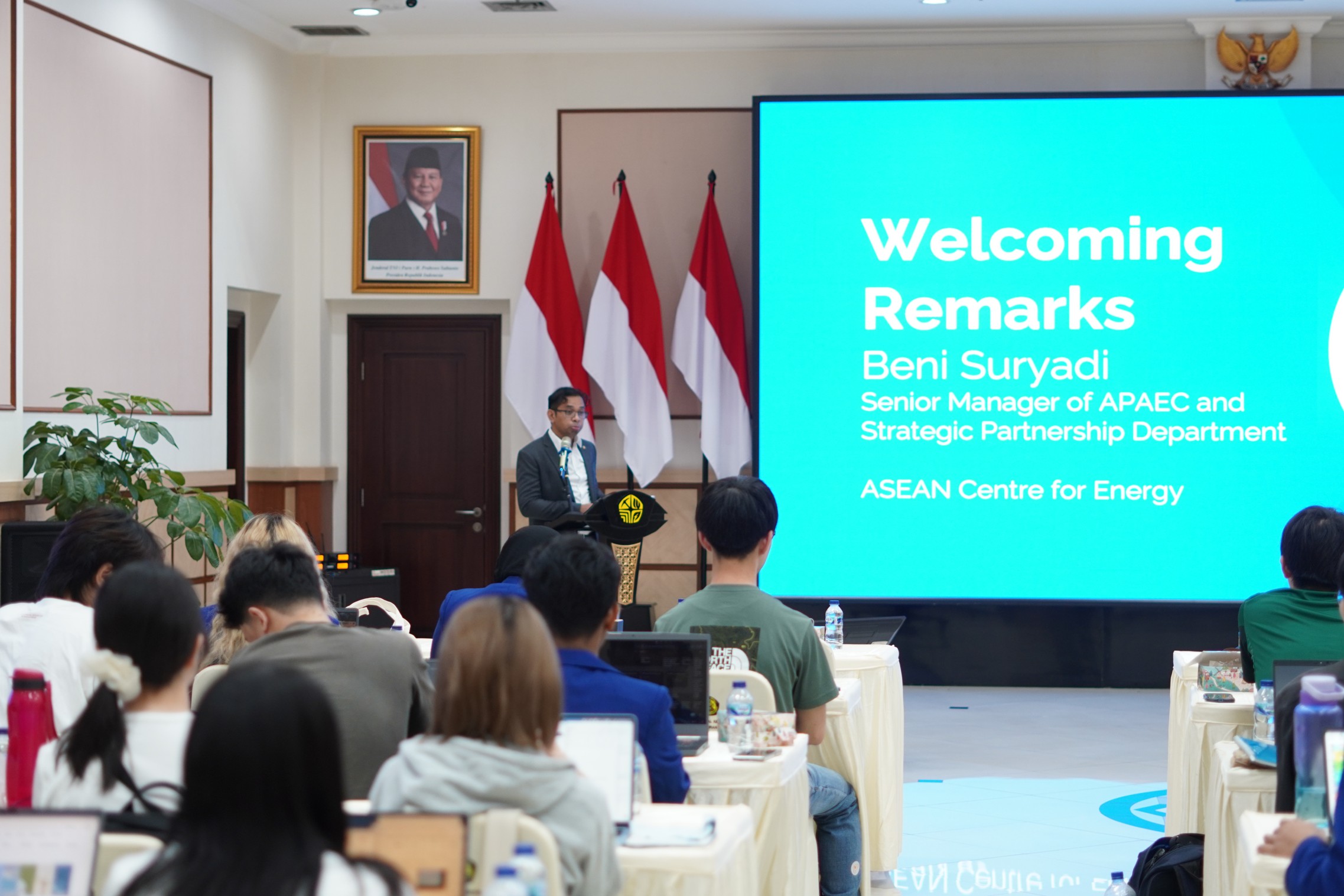
Photo 2. Opening Remarks from Mr. Beni Suryadi, Senior Manager of APAEC and Strategic Partnership Department of ACE.
Furthermore, advancing SDG 7 and SDG 13 remains a top priority for ACE through the ACCEPT programme, which unites governments, researchers, and youth to tackle the challenges of the energy transition. He framed the region’s central challenge as balancing the energy demands of a growing population with the need for green, secure, and affordable resources. Addressing this requires greater energy efficiency, improved storage, regional interconnection, and broader adoption of electric vehicles. Furthermore, he noted that future solutions have yet to be invented and suggested they might well come from the very students in the room.
He then introduced APAEC, ACE’s regional roadmap for energy cooperation, which focuses on both energy security and decarbonisation. He stressed that ACE’s vision for a better energy future places people, not just technology, at its core. The energy transition, he explained, goes beyond solar panels and electric vehicles; it fundamentally changes how people live, travel, work, and produce.
Finally, he encouraged the students to actively engage, open their perspectives, and always stay curious. In his closing remarks, he thanked Sampoerna University, the Institute of Science Tokyo, and ACCEPT for making the event possible. He expressed hope that the students’ key takeaways would reach far beyond Indonesia and Japan, reminding them that sustainability knows no borders.
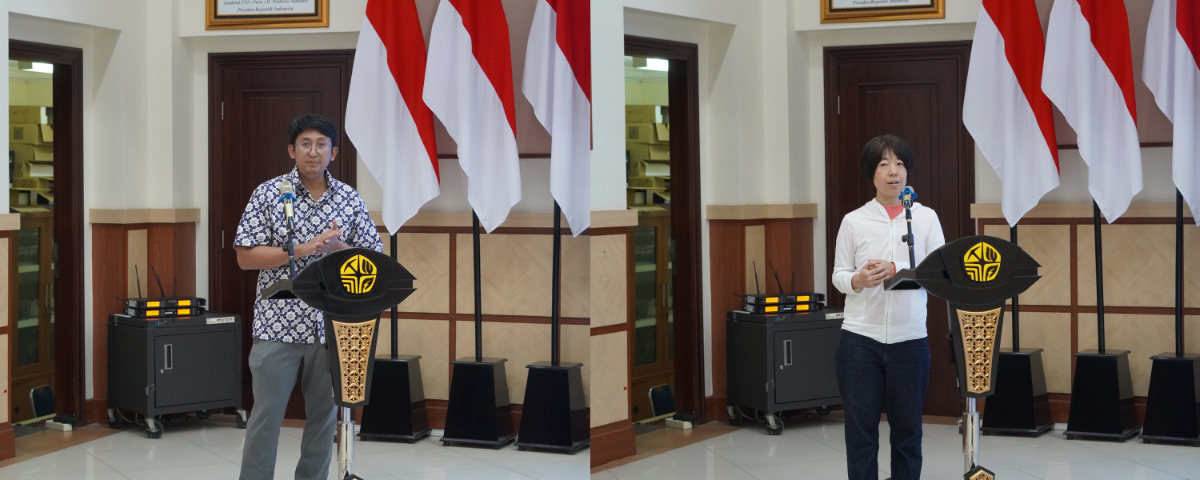
Photo 3 and 4. Opening Remarks from Dr. Anak Agung Perwira Redi, Head of Industrial Engineering at Sampoerna University (left) and Prof. Yuri Matsuzaki, Specially Appointed Associate Professor of the Academy for Leadership of the Institute of Science Tokyo (right).
Representing Sampoerna University, Dr. Anak Agung Perwira Redi, Head of Industrial Engineering study program at Sampoerna University, delivered the opening remarks. He reflected on the ongoing, second-year collaboration between the BESTS programme and ACE, thanking both ACE and the Institute of Science Tokyo for the wonderful partnership. He highlighted that the BESTS programme cultivates an entrepreneurial mindset by bringing Indonesian and Japanese students together to solve real-world sustainability and energy challenges. Furthermore, he noted that this year’s collaboration is particularly special due to a newly introduced awards programme developed alongside ACE, which aims to drive impactful sustainability innovations. He urged the students to ask questions, exchange ideas, and use the day’s lessons to solve practical problems.
To close the opening session, Prof. Yuri Matsuzaki, Specially Appointed Associate Professor of the Academy for Leadership of the Institute of Science Tokyo, gave a brief address. After expressing her appreciation to the ACCEPT team, Prof. Matsuzaki outlined the structure of the two-week programme, explaining that the students are divided into six groups to design potential sustainability innovations. She emphasised that laying a strong foundation for their projects is the most critical step of the process. As a final piece of advice, she urged the delegates to think deeply and discuss thoroughly to determine which sustainability challenges truly warrant their focus.
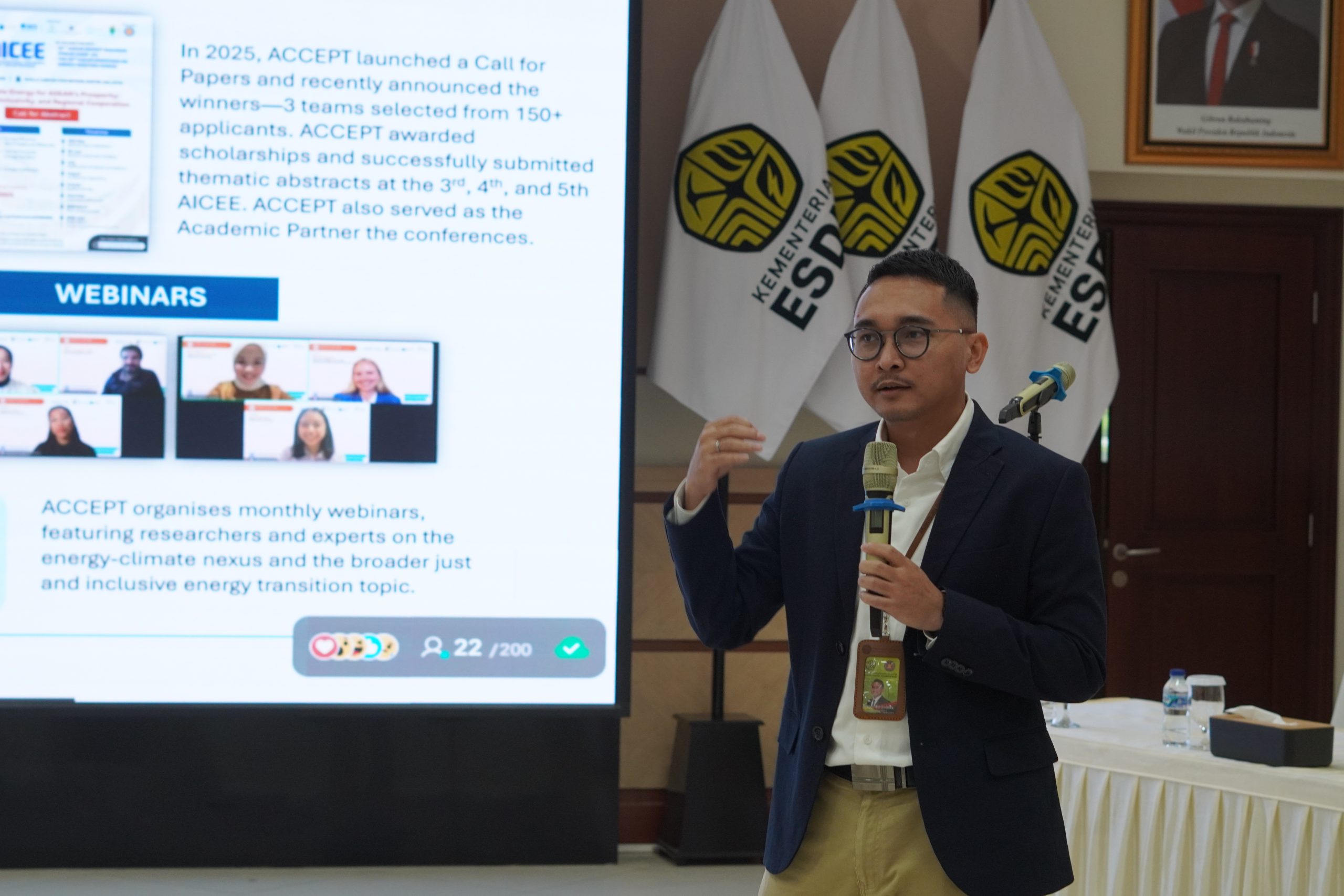
Photo 5. Presentation from Muhammad Rizki Kresnawan, Senior Energy Modeller at ACE.
The programme continued with a presentation by Muhammad Rizki Kresnawan, Senior Energy Modeller of ACE. Mr. Rizki started with little trivia quizzes on facts regarding ASEAN’s renewable energy capacities, it is then followed by an introduction on the current situation of ASEAN’s energy-climate landscape and cooperations that are happening at the regional level. Mr. Rizki then introduced ACCEPT to the students, outlining the project’s three strategic outcomes and shared highlights from the ACCEPT II project dashboard covering 2022–2026, including five policy dialogues on energy and climate, a series of regional workshops, two study visits to Norway and Germany, and more than 36,900 downloads of ACCEPT publications. The presentation also touched upon ACCEPT’s work to advance inclusivity and gender into the energy-climate nexus. The Q&A session that followed discusses regional power grid interconnection, the ASEAN Power Grid and the planned power exchange between Lao PDR and Singapore, and also questions on how ACCEPT engages youth, including through conference scholarships, and on the project’s priorities going forward.
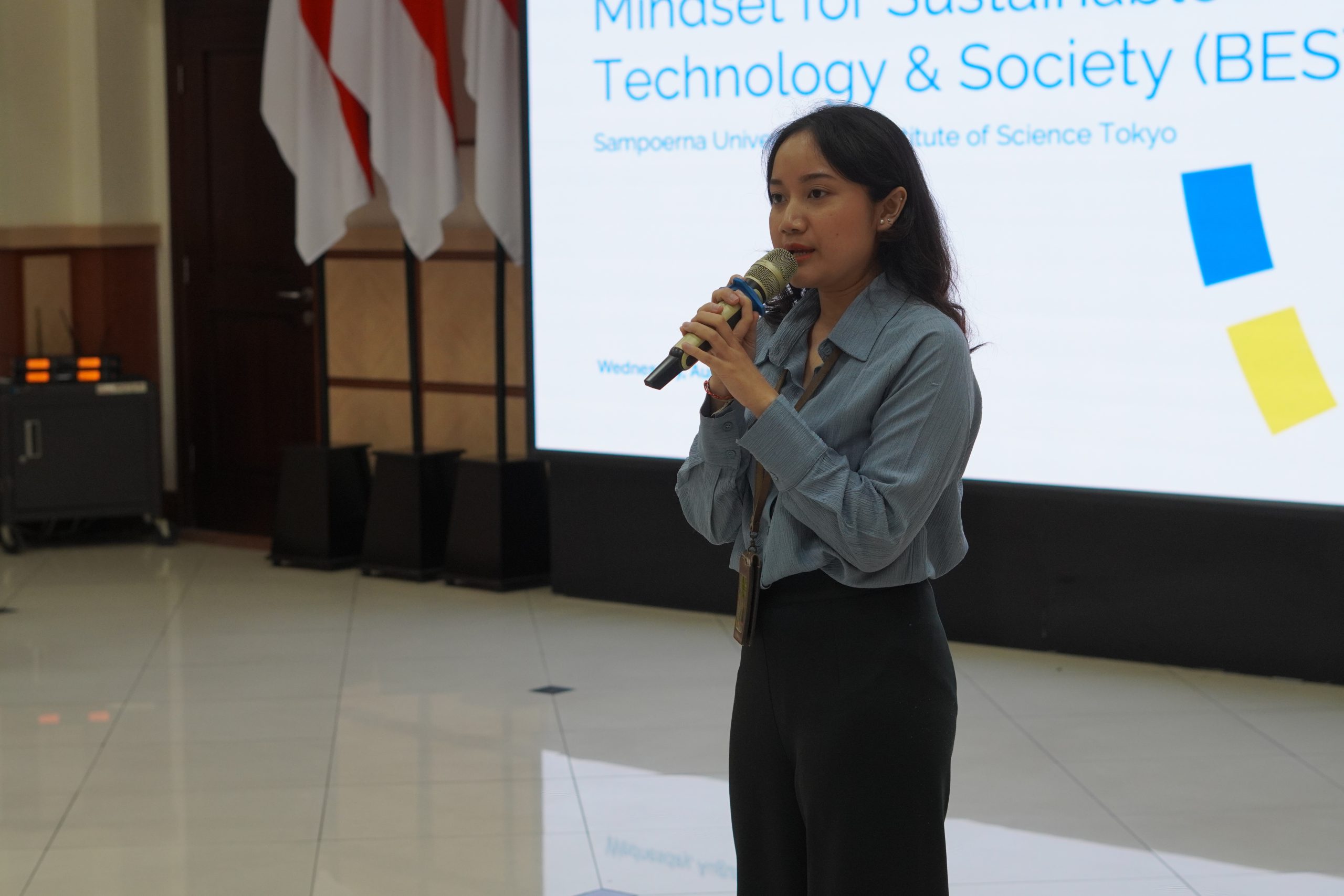
Photo 6. Games session from Indira Pradnyaswari, Research Analyst at ACCEPT.
Following the presentation, Indira Pradnyaswari, Research Analyst of ACCEPT, led an interactive game session and briefed the delegates on the article submission guidelines. Starting with the writing guidelines, Ms. Indira explained that 15 articles have been published from the writing submissions of the last year’s cohort of BESTS, and this year students are invited to submit a 1,000–1,500-word article exploring the energy-climate nexus in ASEAN, choosing from ten topics ranging from renewable energy and climate action to gender equality in the energy sector and circular economy solutions. The game session that followed tests students on their knowledge with 10 trivia questions about ASEAN’s energy-climate landscape, in which three winners receive prizes from ACE.
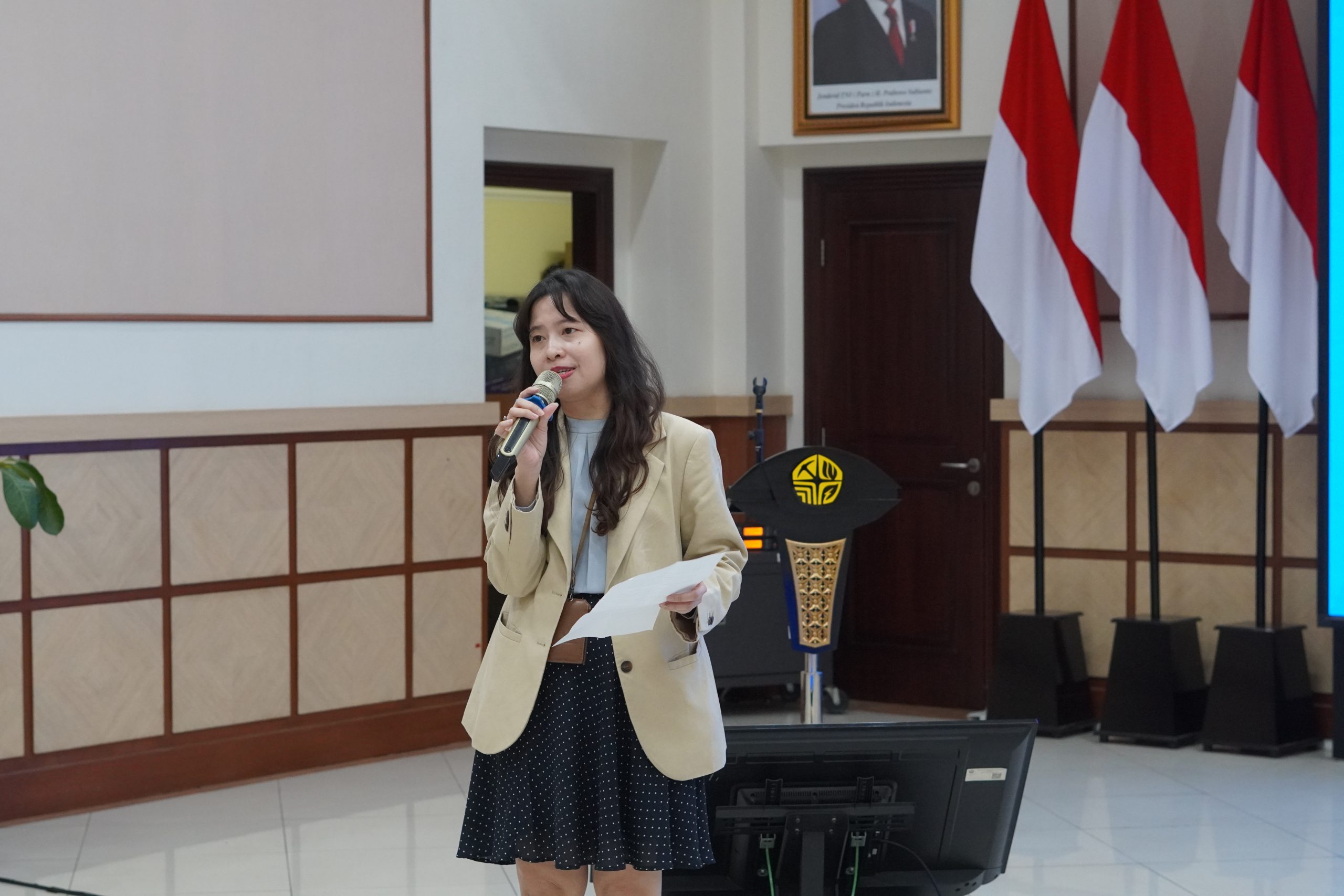
Photo 7. Closing remarks from Aldilla Noor Rakhiemah, Project Manager of ACCEPT.
The visit concluded with remarks from Aldilla Noor Rakhiemah, Project Manager of ACCEPT II, who expressed her gratitude to the students on behalf of ACE. She emphasised that the collaboration with BESTS provides a crucial platform for young people to engage with climate and sustainability issues within the energy sector. She stressed that youth must be positioned not merely as an audience but as active drivers of the energy transition with genuine spaces to share their perspectives. After commending the students for their active participation, she encouraged them to submit their articles and reminded them that great ideas often stem from curiosity and seeing familiar problems differently.
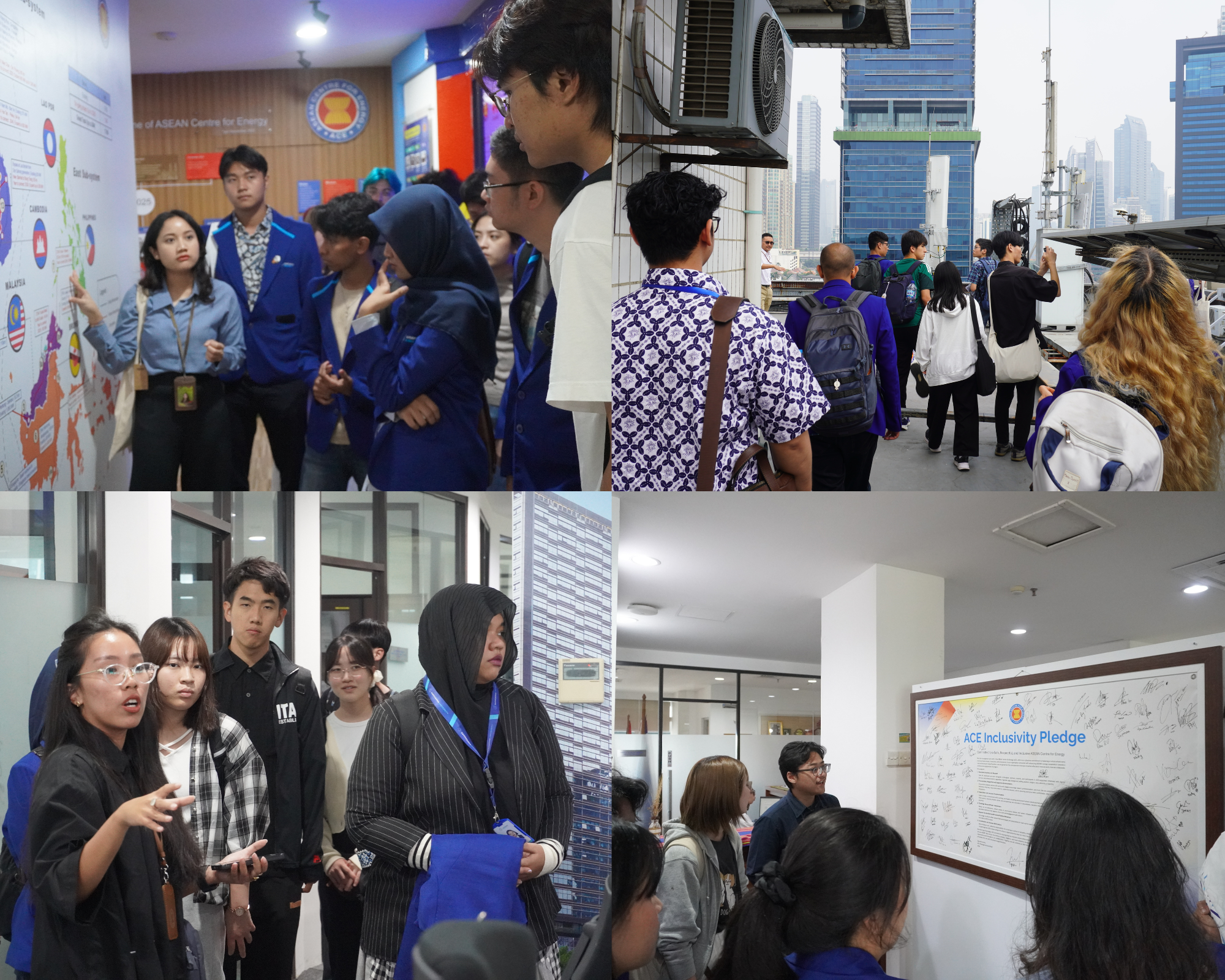
Photo 8-11. BESTS delegates and students during the guided office tour.
Following the formal programme, the delegates were taken on a guided tour of the ACE headquarters. The staff walked them through the office’s layout, showcasing the Executive Director’s office, seating areas for each of ACE’s pillars, and shared collaborative spaces. The tour also featured the Wall of Knowledge, which traces ACE’s history from its founding in 1998 to the present day. The visit concluded with an insightful look at the building’s rooftop solar panel installation, which has been supplying a portion of the building’s electricity needs since 2015.
As the delegates now step forward to develop their own sustainability projects, this second successful BESTS program stands as a testament to ACE and ACCEPT’s ongoing dedication to bridging the energy-climate nexus. By placing young innovators at the centre of the conversation, both institutions reaffirm their commitment to youth empowerment and cross-border collaboration. Ultimately, the event ensures that the next generation of leaders from Indonesia and Japan is equipped with the knowledge and inspiration needed to drive a secure, inclusive, and sustainable energy transition across the region and beyond.
Detailed information on ACCEPT II can be found at https://accept.aseanenergy.org/
Follow our social media to stay updated on ASEAN’s energy-climate nexus and ACCEPT activities.