
Jakarta, 30 July 2026
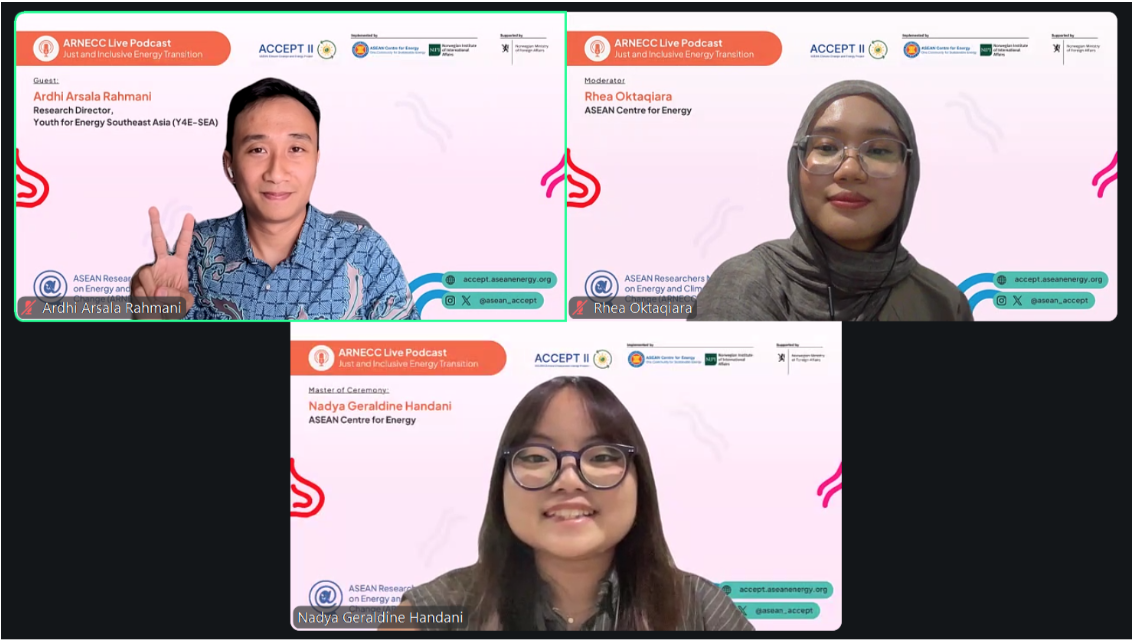
Photo 1. (left to right) Dr. Ardhi Arsala Rahmani, Research Director at Youth for Energy Southeast Asia, Ms. Rhea Oktaqiara, Junior Research Analyst at the ASEAN Centre for Energy, and Nadya Geraldine Handani, Research Assistant for ACCEPT II.
Jakarta, 30 July 2026 – The ASEAN Climate Change and Energy Project (ACCEPT) through the ASEAN Researchers Network on Energy and Climate Change (ARNECC) held the third episode of ARNECC Live Podcast in 2026 on the series of Just and Inclusive Energy Transition (JIET). In the latest episode, on the topic of “Young Voices, Real Impact: Youth Driving ASEAN’s Energy Transition” ACCEPT II invited Dr. Ardhi Arsala Rahmani, Research Director at Youth for Energy Southeast Asia (Y4E-SEA), to share insights and discuss the issue of youth engagement and the critical role youth can play in shaping a fair and inclusive energy transition across the ASEAN region.
The live podcast was opened by Nadya Geraldine Handani, Research Assistant for ACCEPT II, and moderated by Rhea Oktaqiara, Junior Research Analyst at the ASEAN Centre for Energy.
The live podcast was organised to explore why meaningful youth participation matters for an inclusive energy transition and acts as a realisation of one of the key objectives of APAEC 2026-2030 to advance inclusive energy development. Through insights from Y4E-SEA’s regional research, the discussion sought to examine how young people can move beyond symbolic representation to genuinely shape energy policy, while also inspiring greater action toward more inclusive decision-making across the sector.
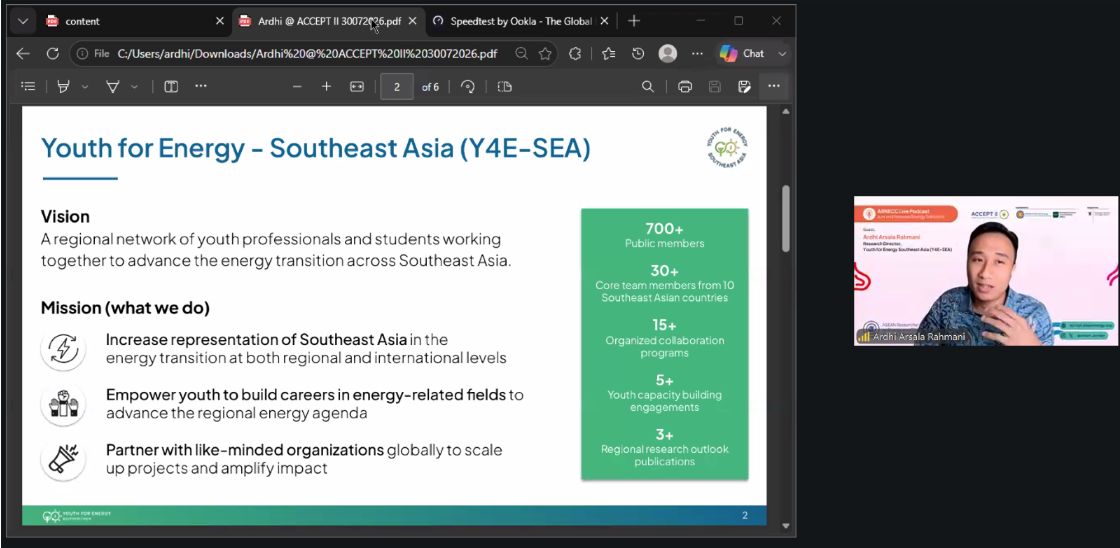
Photo 2. Dr. Ardhi Arsala Rahmani introducing Y4E-SEA.
The discussion began with Dr. Ardhi introducing Y4E-SEA, a regional youth collective established in 2022 that now counts volunteer members across all eleven ASEAN Member States, united by a shared interest in the region’s energy transition. He noted that the organisation carries a formal pledge to the UN Energy Compact, made at COP28 and anchored around three key commitments aimed at accelerating progress on SDG 7 and the broader energy transition across Southeast Asia.
On the discussion of what youth engagement is and what genuine youth engagement actually looks like, Dr. Ardhi introduced Y4E-SEA’s ladder of engagement, an eight-level framework for measuring how far youth voices genuinely factor into decision-making. The lowest rungs, he explained, amount to non-participation, where young people are present in name only within structures that dictate outcomes regardless. The middle tiers describe tokenism, often referred to as “youth-washing,” where youth are given visibility, a seat at the table, a mention in the programme, but no real influence over what gets decided. Only the uppermost levels, he argued, constitute meaningful participation, where young people hold genuine power to shape and shift outcomes.
Mapping that framework onto Southeast Asia, Dr. Ardhi was candid that most youth engagement in the region’s energy sector still sits closer to the tokenistic end of the ladder. Organisations and youth movements are frequently invited into energy-climate dialogues, he said, but largely for show rather than substance. He pointed to Malaysia as a notable exception where more meaningful participation has taken root, with the Philippines and Singapore showing some progress as well, though even there, engagement in the energy sector specifically tends to lag behind other policy areas.
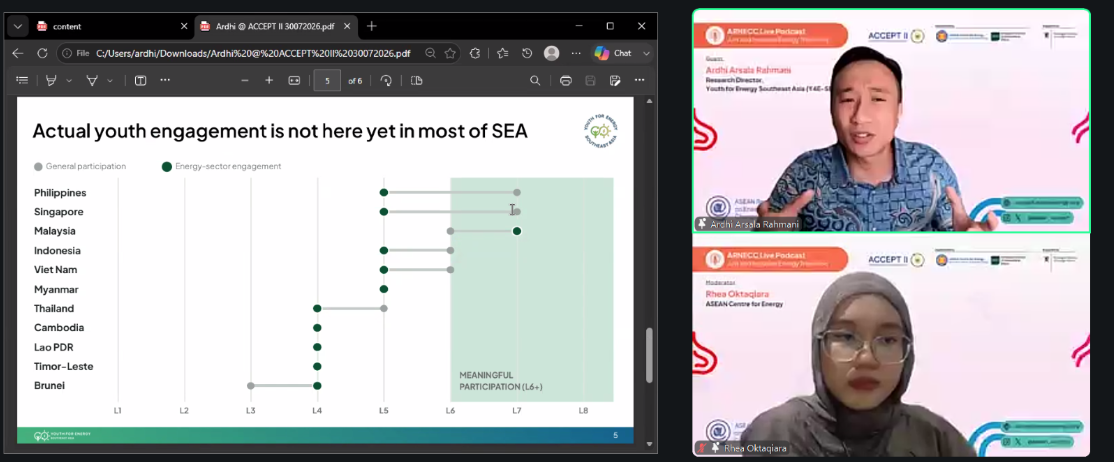
Photo 3. Dr. Ardhi Arsala Rahmani presenting actual youth engagement in Southeast Asia.
He argued this gap carries a real cost. Citing research on multigenerational workforces, he noted that companies with age-diverse boards realise measurably greater value, and that firms with a higher share of young employees tend to adopt new technologies faster. Yet age, he pointed out, remains conspicuously absent from most institutions’ gender, equity, diversity, and inclusion agendas, a gap he considered a missed opportunity for stronger, more resilient decision-making.
Asked whether the region is at least moving in the right direction, Dr. Ardhi was measured rather than optimistic. With only a year’s worth of data available, he said, “It is difficult to say with confidence whether Southeast Asia is trending toward more meaningful engagement or simply staying in place”. Dr. Ardhi highlighted the need for structural reforms to institutionalise youth participation in energy decision-making. He suggested that legal mandates, rather than voluntary commitments alone, could help ensure meaningful representation, citing the women’s suffrage movement as an example of how enduring institutional change has been realized. He also pointed to a related pattern in the underlying survey data, that young people currently gravitate toward volunteering and project implementation more than policy advocacy, a preference he read not as a lack of ambition but as a signal that the barriers to entering advocacy and policy spaces remain too high, pushing youth toward the rooms where they feel they can make a difference.
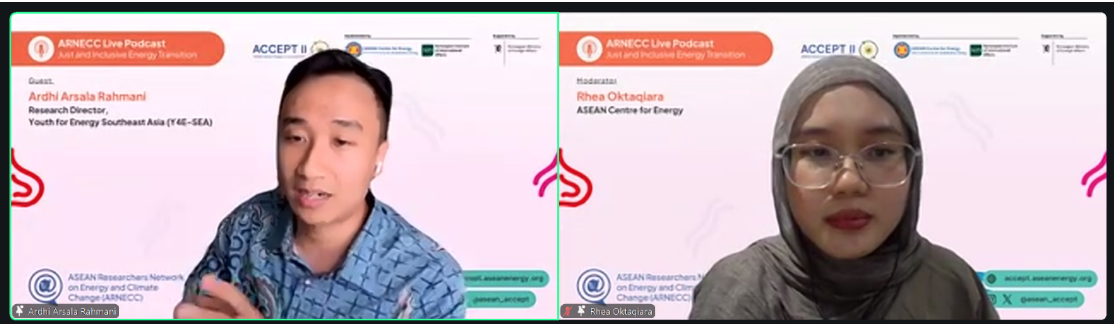
Photo 4. Dr. Ardhi Arsala Rahmani and Ms. Rhea Oktaqiara engaged in a question-and-answer session.
The second half of the discussion focused on answering questions from the audience. The first question asked how young people in ASEAN can move from token participation to genuine agenda-setting power over energy policy. Dr Ardhi emphasised that this kind of breakthrough does not happen instantly, pointing to the years of ground-level advocacy and high-level engagement that preceded the eventual establishment of environment ministries in the region, and stressed the importance of presenting clear data on the value youth participation generates.
A related question asked how institutions can build genuine trust in youth capabilities rather than treating engagement as symbolic. Dr. Ardhi pointed to diminished youth credibility as one of the central barriers, describing the institutional structures currently working against young people as needing to be reshaped rather than merely opened. He drew again on the precedent of the women’s and racial suffrage movements, noting that those movements succeeded by demonstrating capability before winning recognition, and cited Y4E-SEA’s own capacity-building work as an attempt to build that same case for youth in the energy sector.
On how to balance generational representation without disadvantaging older professionals, Dr. Ardhi acknowledged that ageism can cut in both directions. He noted that while Southeast Asia remains a demographically young region, executive and cabinet-level structures remain heavily represented by older generations, creating a clear disconnect. He argued that the goal was not replacement but genuine multigenerational collaboration, since innovation depends on the mix rather than a simple changing of the guard.
The final question raised the concern that some youth participate in energy spaces mainly to build their CVs rather than out of genuine interest. Dr. Ardhi acknowledged that bad-faith actors exist at every level of age, gender, and experience, but maintained that the more important goal is ensuring youth voices are genuinely heard and considered once they are in the room, regardless of what brought them there in the first place.
As the session concluded, the way forward was clear: youth inclusion in the energy transition must move beyond visibility toward genuine, shared decision-making power. Regional platforms and networks such as ARNECC have a role to play in mainstreaming youth participation into energy policy discussions, while institutions across the region continue building the legal and structural mechanisms needed to make that participation durable rather than symbolic. With Southeast Asia’s energy transition accelerating, the discussion made the case that bringing youth fully into the process is not a courtesy extended to the young, but a structural necessity for a fairer and more innovative energy future.
** Join our ASEAN Researchers Network on Climate Change (ARNECC) by registering yourself here. Become a part of our collaborative efforts to address pressing climate challenges and shape a sustainable future.
Detailed information on ACCEPT II can be found at https://accept.aseanenergy.org/
Follow our social media to stay updated on ASEAN’s energy-climate nexus and ACCEPT activities.