
Wednesday, 29 July 2026
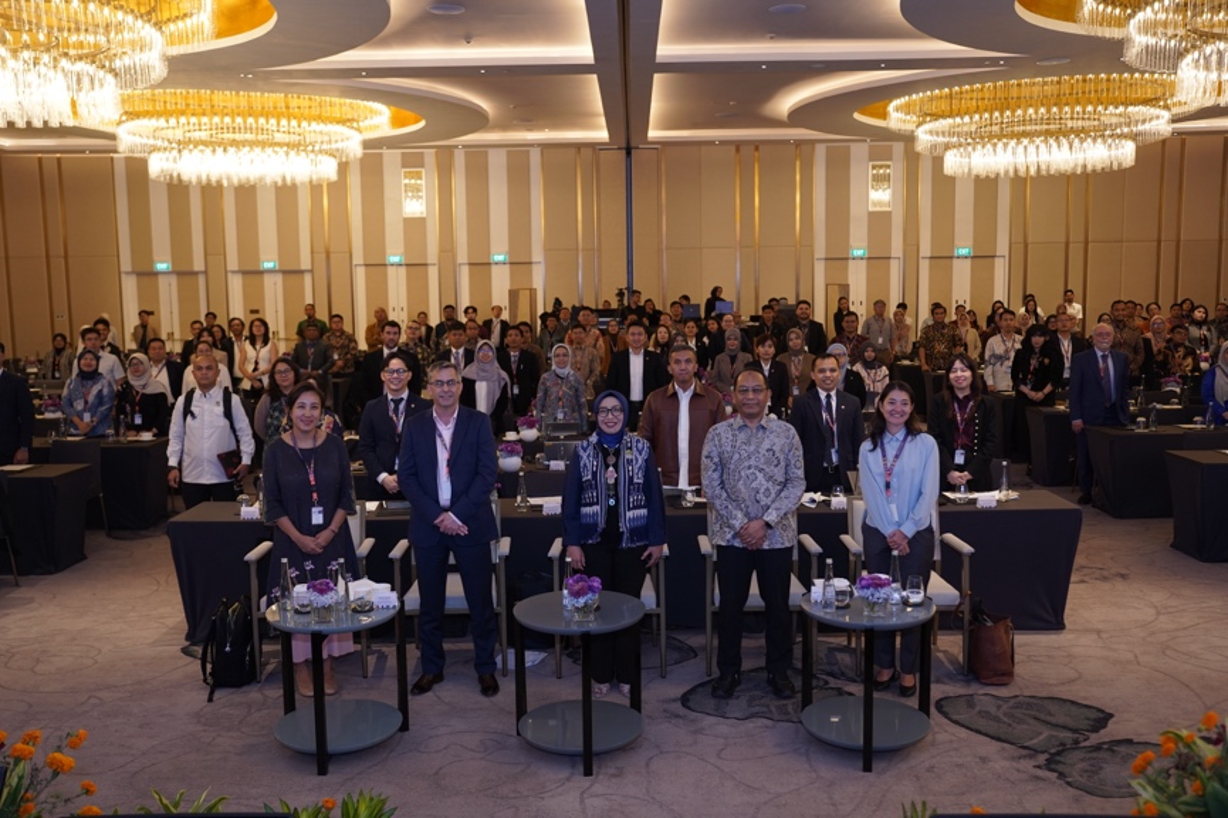
Photo 1. ASEAN Methane Week Day 1 Group Photo.
Jakarta, 13 July 2026 – In a milestone for regional energy-climate cooperation, the ASEAN Centre for Energy (ACE), together with the Global Methane Hub, the UN Climate and Clean Air Coalition (CCAC), and the ASEAN Climate Change and Energy Project (ACCEPT) Phase II, convened the ASEAN Methane Week 2026 at the St. Regis Jakarta, Indonesia. Running from 13-16 July under the theme “Advancing Energy-Climate and Net Zero Pathways,” this inaugural week builds on the momentum of last year’s ASEAN Methane Energy High-Level Policy Dialogue, marking a significant expansion in both regional scale and climate ambition.
Open to the public, the opening day featured the ASEAN Energy & Climate Conference: Methane Management and Net-Zero Pathways. The session structured around five comprehensive sessions, guiding stakeholders from broad regional energy outlooks through to the specific challenges of project financing and implementation. Convening policymakers of the ASEAN Member States (AMS), national oil & gas and coal companies, and international organisations, the conference examined how ASEAN can effectively translate initial methane commitments into concrete, scalable regional action.
Opening Ceremony
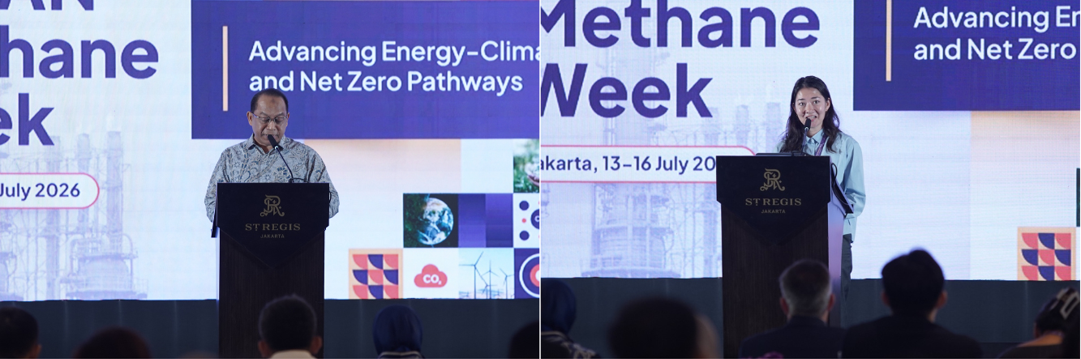
Photo 2 and 3. Opening remarks from Dato’ Ir. Ts. Razib Dawood, Executive Director of ACE (left) and Beathe Øgård, Chargé d’Affaires ASEAN of the Norwegian Embassy in Jakarta (right).
The day began by framing methane abatement as the region’s most effective near-term climate lever. In his welcoming remarks, Dato’ Ir. Ts. Razib Dawood, Executive Director of ACE, emphasised the need to translate dialogue into action across four fronts: identifying emissions, mobilising investment, strengthening regulations, and improving measurement. He stressed that AMS must navigate this transition collectively rather than in isolation.
More welcoming remarks followed by international partners, represented by Sarah Ann Smith from the Global Methane Hub and James Garvie from the Climate and Clean Air Coalition. Rounding out the welcoming remarks, Beathe Øgård, Chargé d’Affaires ASEAN of the Royal Norwegian Embassy in Jakarta, underscored Norway’s deepening partnership with ASEAN, describing the ACCEPT programme as the cornerstone of Norway-ASEAN energy-climate collaboration. She pointed to ASEAN Plan of Action for Energy Cooperation (APAEC) 2026–2030 as proof that energy security and decarbonisation do not need to be competing goals and framed methane emission reduction as one of the most important pathways to net-zero. Drawing on Norway’s own record of maintaining among the lowest methane emissions in its oil and gas sector, Ms. Øgård offered to share best practices with the AMS, positioning Norway as a ready partner for knowledge exchange and practical, collaborative solutions. The remarks closed on a pragmatic note that many methane reduction projects are low-cost and can pay for themselves, making the case for methane reduction in the region.
The ceremony was officially inaugurated with a keynote address by Prof. Eniya Listiani Dewi, Director General of New, Renewable Energy, and Energy Conservation at the Ministry of Energy and Mineral Resources Indonesia. Grounding the discussion in Indonesia’s net-zero 2060 roadmap, she detailed Indonesia’s climate targets and pursuit of decarbonisation.
Session 1: Energy and Emission in ASEAN
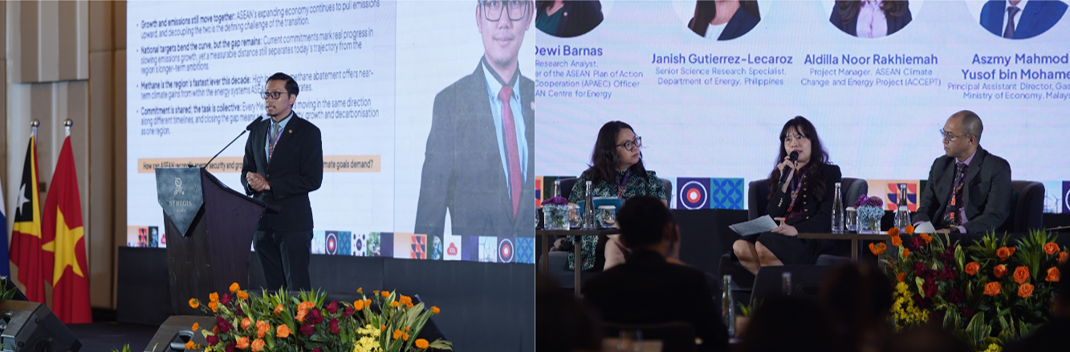
Photo 4 and 5. Scene-setting from Dr. Zulfikar Yurnaidi, Head of the Modelling, Policy, and Planning Department at ACE (left) and Aldilla Noor Rakhiemah, Project Manager of the ACCEPT Project (right).
The conference’s opening panel, entitled “Energy and Emissions in ASEAN“, addressed the ongoing challenge of balancing the region’s economic momentum with its climate commitments. Dr. Zulfikar Yurnaidi, Head of the Modelling, Policy, and Planning Department at ACE, set the stage with the ASEAN Energy Outlook and identified methane, 77% of which originates from the coal, oil, and gas sectors, as the fastest available decarbonisation lever this decade.
Moderated by Dewi Barnas, Senior Officer of the APAEC Department at ACE, the panel unpacked how Member States are actively navigating the “energy trilemma” of balancing security, affordability, and sustainability. Offering a national perspective on this challenge, Janish Gutierrez-Lecaroz, Senior Science Research Specialist at the Department of Energy in the Philippines, pointed to the nation’s push for renewable energy auctions as a key mechanism for sustainable growth. Complementing this approach, Aszmy Mahmood Yusof bin Mohamed, Principal Assistant Director of the Gas 1 Unit at Malaysia’s Ministry of Economy, outlined a different pathway, sharing Malaysia’s strategy to utilise gas as a transitional fuel ahead of a national gas roadmap due later this year.
Reflecting on how the conversation on balancing energy security and decarbonisation has shaped regional cooperation, Aldilla Noor Rakhiemah, Project Manager of ACCEPT, traced the discussion’s evolution along four fronts. Energy security, she noted, is no longer understood simply as securing sufficient energy supply but also diversification, regional grid connectivity, renewable energy deployment, and reduced exposure to international markets. The conversation has also broadened to consider energy systems as a whole, including how grid modernisation and investment frameworks need to evolve to support the transition, alongside a newer emphasis on inclusivity, with regional documents now explicitly calling for a just and inclusive energy transition centered on affordability, job creation, and protection for vulnerable communities. Underlying all three, she added, is a strengthening link between energy and climate policy. The focus for the region now, she added, is not to choose between these objectives but to pursue all of them together.
She added that the next step for regional cooperation lies in deepening capacity building and knowledge exchange to strengthen the link between regional evidence and national priorities, paired with measurable follow-up to ensure that commitments continue to translate into results. On what would let these regional initiatives flourish, Ms. Aldilla pointed to financing and energy efficiency as critical enablers, alongside the ongoing work of linking net-zero goals to national economic and development plans. She stressed that AMS needs genuine ownership in designing regional frameworks so that national circumstances are properly reflected, with ACE’s role in connecting technical experts and policymakers, as seen throughout the day’s discussions, offering a model she hoped could be deepened through further collaboration.
Grounding these ambitions in practical realities, Nurcahyanto, Coordinator of Technical Guidance and Energy Conservation Cooperation at Indonesia’s Ministry of Energy and Mineral Resources concluded the session by noting that while policies are in place, unlocking financing for high-cost projects remains the critical missing piece.
Session 2: ASEAN Net-Zero and Methane Pathways
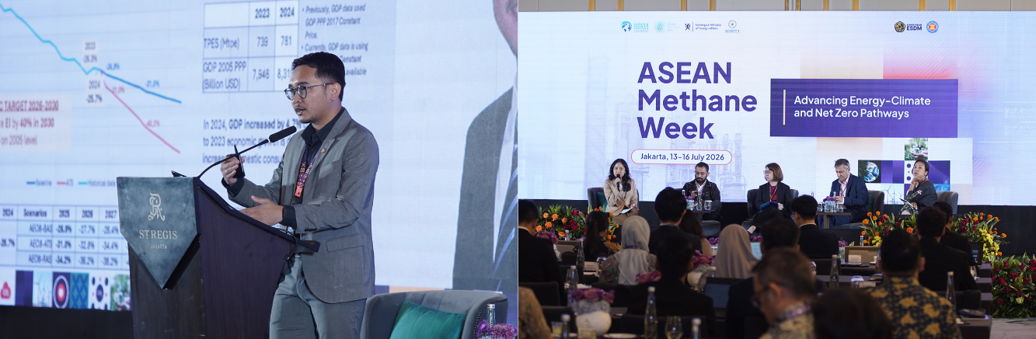
Photo 6 and 7. Scene-setting from Muhammad Rizki Kresnawan, Senior Energy Modeller of the ACCEPT Project (left) and Indira Pradnyaswari, Research Analyst at ACCEPT, moderating the panel session (right).
Where the opening session established the broader energy context, Session 2, “ASEAN Net-Zero and Methane Pathways“, focused on the practical aspects of translating climate pledges into concrete policy. Muhammad Rizki Kresnawan, Senior Energy Modeller of ACCEPT, opened the discussion by mapping the region’s decarbonisation initiatives. He noted that although nine of the 11 Member States have committed to net-zero targets, current short-term policies remain inconsistent with those ambitions. Citing ACE’s own tracking against the newly adopted APAEC 2026-2030 framework, he reported that the region’s renewable energy share reached just 14 percent in 2024, trailing far behind the 45 percent installed-capacity target for 2030. However, with energy intensity reduction already hitting 25.7 percent, he noted that while some goals are well within reach, others still demand considerably stronger policy support. Given that ASEAN must cut methane emissions by 70% to meet the 1.5°C target, he urged the region, already supported by seven signatories to the Global Methane Pledge, to transition urgently from setting targets to executing them. He closed by outlining three priorities on the road to the next COP: closing the implementation gap, scaling up regional cooperation, and pursuing a more integrated cross-sector approach, framing these as evidence that methane has firmly arrived on ASEAN’s energy agenda, even as financing remains the binding constraint.
Led by moderator Indira Pradnyaswari, Research Analyst at ACCEPT, the panel explored the practical steps required to bridge this implementation gap. Anobha Gurung, Deputy Programme Director of Energy at the Global Methane Hub, framed the scale of the opportunity, pointing out that while ASEAN is the world’s fourth-largest methane emitter, existing technologies are already capable of addressing 70% of those emissions. She added that credible data remains the starting point for any mitigation strategy, since it allows isolated national successes to be identified, scaled up, and implemented on a regional footing. To unlock this technological potential, James Garvie, Fossil Fuel Advisor at the CCAC, emphasised that governments must weave methane targets directly into the fabric of their national climate plans.
Showcasing how this looks in practice, Natalia Derodofa, Senior Officer of the Environment Division at the ASEAN Secretariat, pointed to the ASEAN-Korea Cooperation on Methane Reduction (AKCMM) as a successful template for comprehensive regional policy and monitoring. To conclude the session, Dr. Aniq Ahsan, CEO of Moya Analytics, demonstrated that methane mitigation is inherently a shared regional responsibility, noting that although Singapore’s domestic methane footprint is a mere 0.2%, international cooperation is essential to manage exposure stemming from cross-border flaring activities.
Session 3: Methane Emissions – Landscape, Challenges, and Opportunities
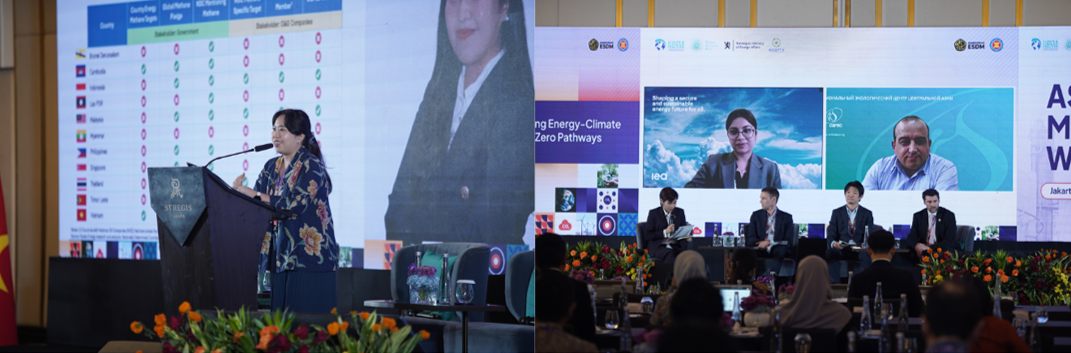
Photo 8 and 9. Scene-setting from Shania Esmeralda Manaloe, Research Analyst of the FOM Department at ACE (left) and the panel session, moderated by Dania Paramita, Research Analyst of the FOM Department at ACE (right).
Transitioning from policy to practice, Session 3 on “Methane Emissions: Landscape, Challenges, and Opportunities“, visited the technical realities facing the region’s oil and gas sector. Irina Semykina, Senior Consultant at Carbon Limits, opened with a masterclass on the basics of methane management. Applying this framework to Southeast Asia, Shania Esmeralda Manaloe, Research Analyst of ACE’s Fossil Fuel, Hydrocarbon, and Minerals (FOM) Department, continued with a scene-setting presentation, pointing out that while ASEAN energy demand is set to triple by 2050, energy-specific methane targets remain rare, with Cambodia and Vietnam leading the way.
Dania Paramita, Research Analyst at ACE’s FOM Department, guided the subsequent panel to explore international solutions to these shared challenges. Dilovarsho Dustzoda of the Central Asia Regional Economic Cooperation Program (CAREC) and Sadhika Gulati of the International Energy Agency (IEA) warned that weak monitoring data continues to widen the gap between pledges and mitigation, while Yuki Shiga of the Japan Organization for Metals and Energy Security (JOGMEC) highlighted active cross-border cooperation, detailing Japan’s on-the-ground methane initiatives with Pertamina and Petronas. Ultimately, Gastón Siroit of the Latin American and Caribbean Energy Organization (OLACDE) and Rowan Fraser of Global Green Growth Institute (GGGI) concluded by agreeing that the region’s path forward relies on maximising existing networks, including the upcoming ASEAN-Korea regional roadmap to turn individual actions into a robust regional strategy.
Session 4: Revolutions for Methane Emissions Management
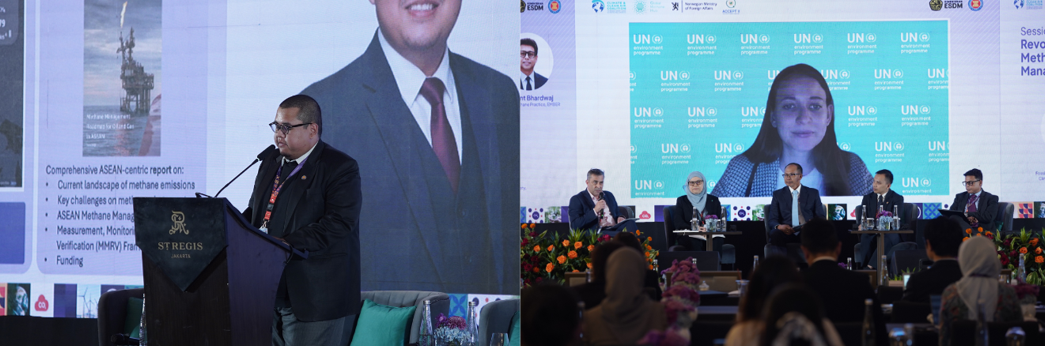
Photo 10 and 11. Scene-setting from Anis Zhafran, Research Analyst of the FOM Department at ACE (left) and the panel session, moderated by James Garvie, Fossil Fuel Advisor at the CCAC (right).
Having identified the region’s methane challenge in Session 3, the conference progressed with Session 4: “Revolutions for Methane Emissions Management“, shifting its focus to the tools ACE and its partners are building to address it. The session opened with a scene-setting presentation titled “ASEAN-Led Initiative on Methane Management in Energy Sector,” delivered by Anis Zhafran, Research Analyst of the FOM Department at ACE, who introduced ACE’s four methane initiatives: HORIZONS, the overarching regional platform for stakeholder engagement; MAESTRO, focused on methane detection and monitoring; MLP, the Methane Leadership Project, which supports industry capacity-building and is now in its third phase; and OMEGA, which addresses gaps in government policy.
The overview of ACE’s own tools led to a masterclass on one of the region’s newest data sources, Methane Alert and Response System (MARS), presented by Meghan Demeter, Programme Manager at United Nations Environment Programme (UNEP)’s International Methane Emissions Observatory (IMEO). She introduced the Methane Alert and Response System (MARS), the first global satellite-based detection platform. Demonstrating its immediate real-world impact, Ms. Demeter shared that MARS has already logged over 27,000 plume detections, driving 42 verified mitigation actions that have avoided an estimated 1.2 million tonnes of methane emissions to date.
Moderated by James Garvie, Fossil Fuel Advisor at the CCAC, the subsequent panel discussion pivoted to the critical question of what exactly happens once an alert is received. Representing regional industry leaders, I Ketut Laba, Senior Vice President of Health, Safety, Security, and Environment (HSSE) Pertamina, and Ir. Siti Rafidah Moslim, Senior General Manager of Net Zero Carbon Emissions (NZCE) Delivery and Embedment at PETRONAS, detailed their respective rapid-response procedures. Both executives emphasised that satellite data acts as a vital early warning system, which must then trigger field verification, root-cause analysis, and targeted repair anchored in credible frameworks like the Oil and Gas Methane Partnership (OGMP) 2.0.
Broadening the scope from corporate action to national governance, Nishant Bhardwaj, from EMBER, warned that without a clearly designated institutional owner in every country, these high-tech satellite notifications risk going entirely unanswered. Bringing the conversation back to the overarching needs of the region, Suwanto, Head of the FOM Department at ACE, concluded the session by affirming that the true value of systems like MARS lies not in the alert itself, but in the on-the-ground follow-through, a step that requires sustained policy, financial, and investment support to become a consistent reality across ASEAN.
Session 5: Making Net-Zero Bankable
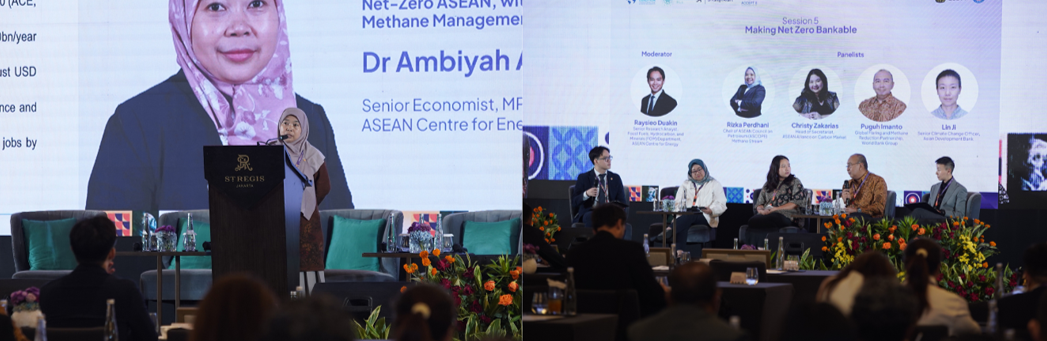
Photo 12 and 13. Scene-setting from Dr Ambiyah Abdullah, Senior Economist of MPP Department at ACE (left) and the panel session, moderated by Raysieo Duakin, Senior Research Analyst of FOM Department at ACE (right).
Having covered the region’s technology and monitoring toolkit, the conference closed with Session 5: “Making Net-Zero Bankable,” which turned to the region’s investment gap. Dr. Ambiyah Abdullah, Senior Economist of the Energy Modelling and Policy Planning (MPP) Department at ACE, set the stage with the setting presentation, “Financing Gaps and Opportunities for a Net-Zero ASEAN, with Focus on Methane Management,” noting that while full-scale methane action could generate an estimated USD 330 billion annually and abate 84% of ASEAN’s oil and gas methane at a net-negative cost through gas monetisation, tracked finance continues to lag drastically behind, with ASEAN still needing USD 1.3 trillion by 2030 to put its net-zero goals within reach.
The closing panel, moderated by Raysieo Duakin, Senior Research Analyst of ACE’s FOM Department, shifted the conversation from the scarcity of capital into the readiness of the projects. Rizka Perdhani, Chair of the ASEAN Council on Petroleum and Energy (ASCOPE) argued that better project preparation, not a lack of capital, is the primary bottleneck. She outlined four essential ingredients for investment-ready projects: verifiable emissions reductions, clear revenue potential, replication scalability, and supportive policy compliance. Puguh Imanto of the World Bank agreed with this view, noting that while global capital is actively available, the actual project pipeline remains stalled by weak baseline data and unclear government implementation. Lin Ji, Senior Climate Change Officer of the Asian Development Bank, continued to highlight that financing structures still fail to reach the small and medium enterprises, which own much of developing Asia’s energy assets. Offering a practical mechanism to bridge these gaps, Christy Zakarias, Head of Secretariat of the ASEAN Alliance on Carbon Markets closed by noting that carbon credits can still unlock value for projects that would otherwise remain financially unviable.
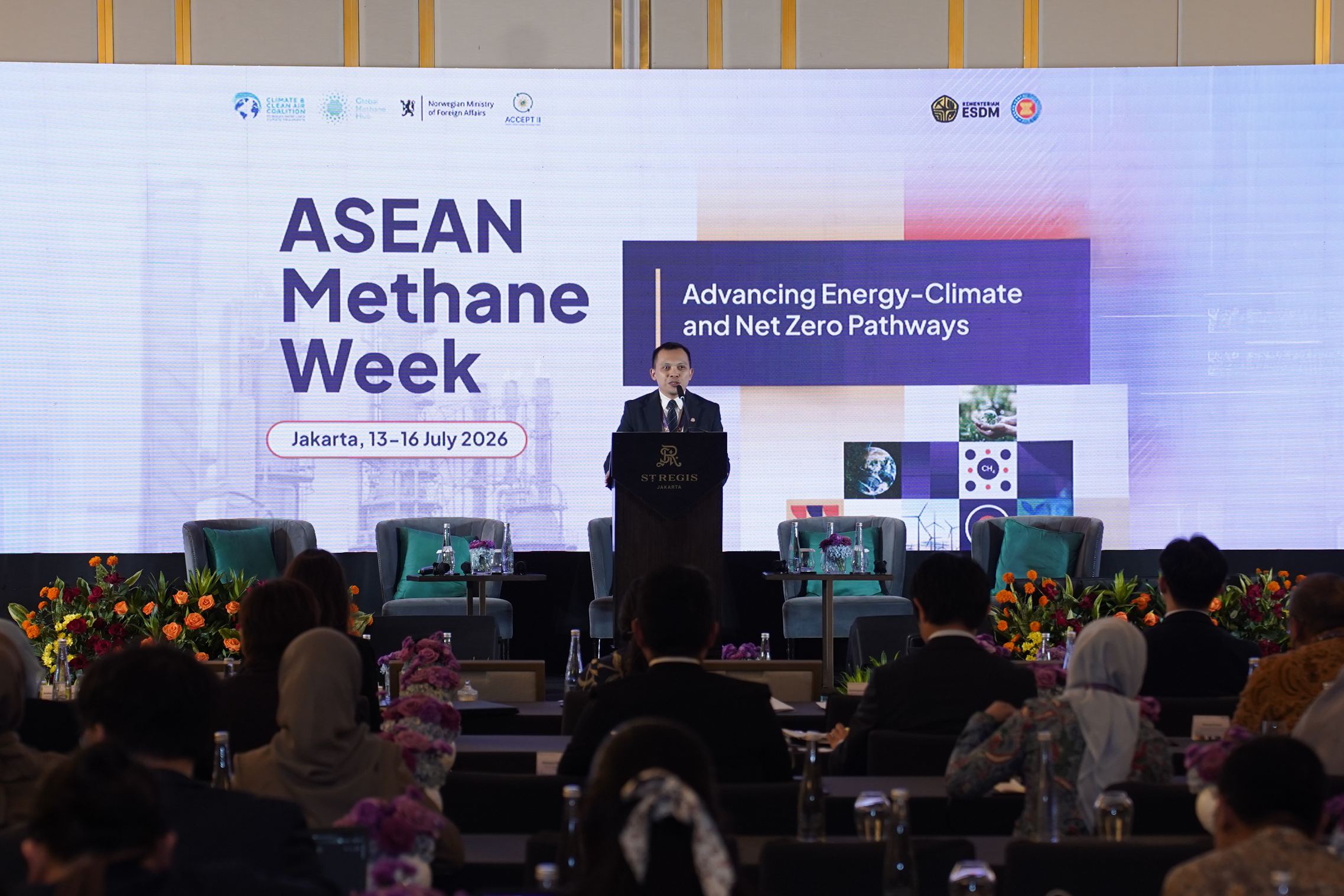
Photo 14. Closing remarks by Suwanto, Head of FOM Department at ACE.
Taken together, the inaugural day of ASEAN Methane Week 2026 drove home a defining consensus: the technical tools, monitoring capabilities, and global capital required to eliminate ASEAN’s methane emissions already exist. The task ahead, participants agreed, is to convert isolated pilot projects into bankable, well-regulated regional pipelines: a monumental challenge that the remaining days of ASEAN Methane Week would continue to map out.
** Join our ASEAN Researchers Network on Climate Change (ARNECC) by registering yourself here. Become a part of our collaborative efforts to address pressing climate challenges and shape a sustainable future.
Detailed information on ACCEPT II can be found at https://accept.aseanenergy.org/
Follow our social media to stay updated on ASEAN’s energy-climate nexus and ACCEPT activities.