
Wednesday, 29 July 2026
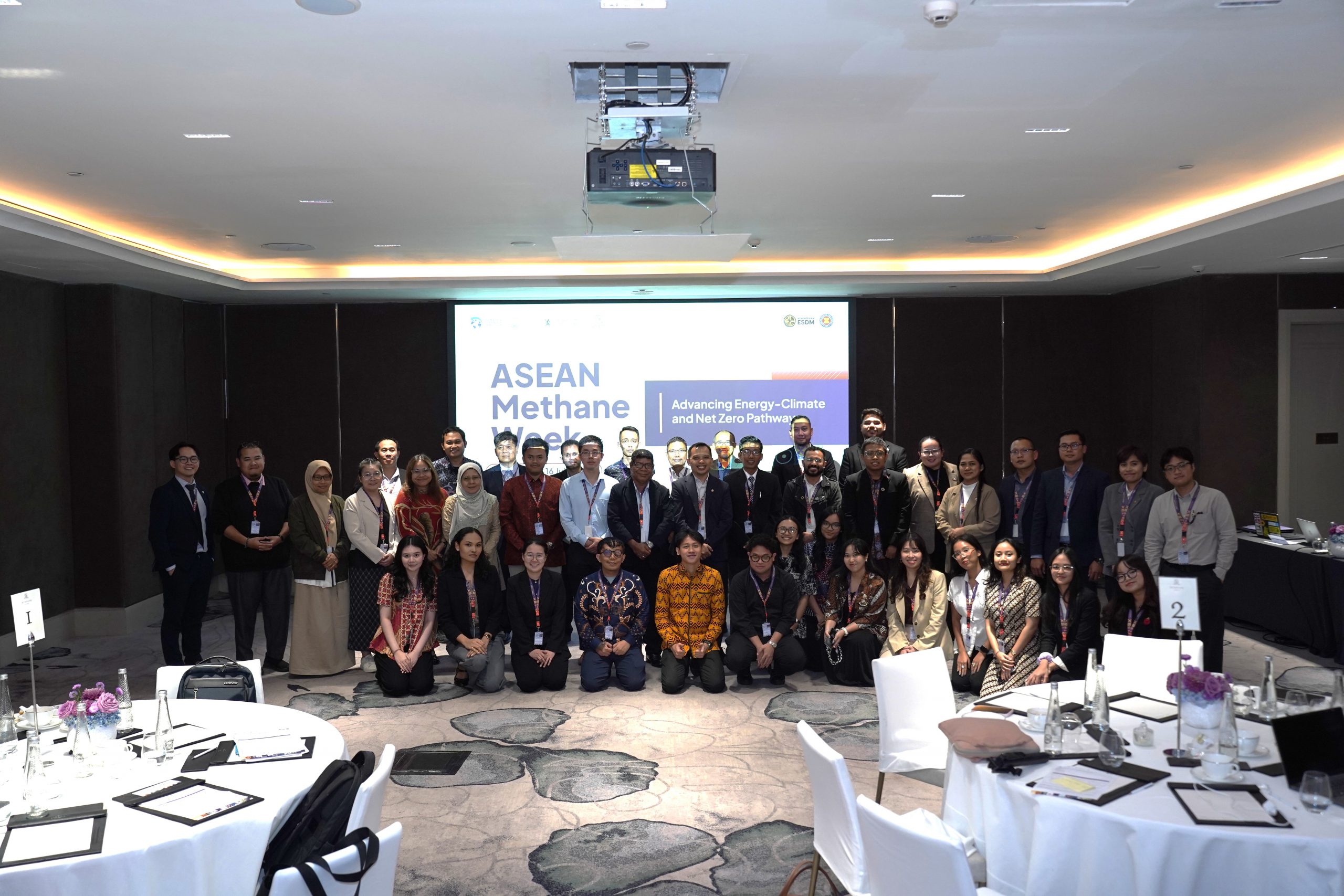
Photo 1. ASEAN Methane Week Day 2 Group Photo.
Jakarta, 14 July 2026 – The second day of the ASEAN Methane Week, initiated by the ASEAN Centre for Energy (ACE) together with the Global Methane Hub, the UN Climate and Clean Air Coalition (CCAC), and the ASEAN Climate Change and Energy Project II (ACCEPT II), brought together policymakers of the ASEAN Member States (AMS), national oil & gas and coal companies, and international organisations for two back-to-back sub-events: the ASEAN Energy Sector High-Level Dialogue on Methane Mitigation and Net-Zero in the morning, and the ASEAN Cross-Ministerial Interactive Workshop on Energy-Climate Nexus in the afternoon.
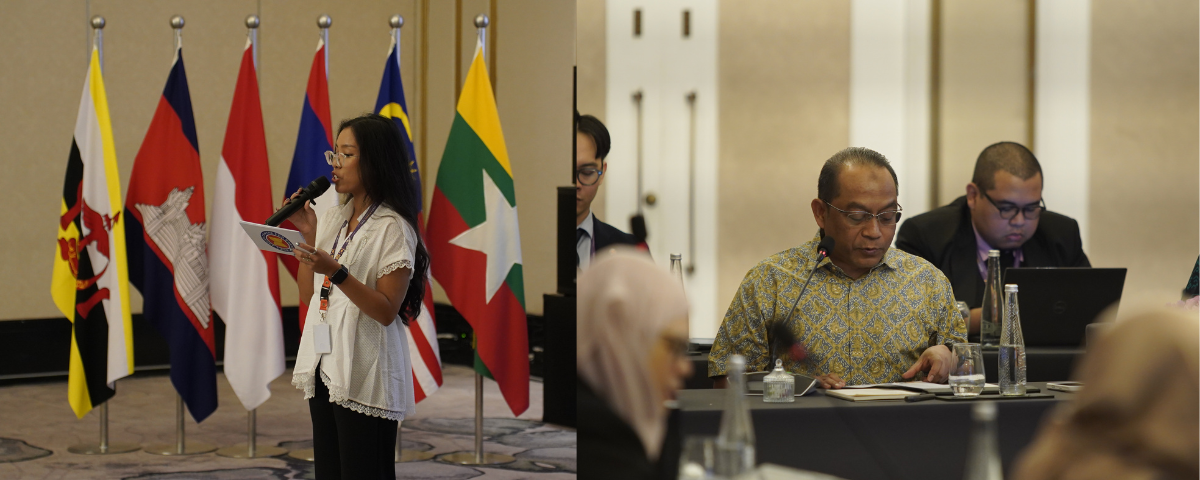
Photo 2 and 3. Nathania Azalia, Research Analyst of ACCEPT II, as the Master of Ceremony (left) and Dato’ Ir. Ts. Razib Dawood, Executive Director of ACE (right).
The first sub-event, the ASEAN Energy Sector High-Level Dialogue on Methane Mitigation and Net-Zero, was divided into two roundtables that were moderated by Dato’ Ir. Ts. Razib Dawood, Executive Director of ACE and Nathania Azalia, Research Analyst of ACCEPT, as the Master of Ceremony. The first round of discussion focused on how ASEAN can translate methane commitments into actionable steps, financing, and partnerships. While the second round focuses on how methane mitigation can be embedded into the broader ASEAN net-zero agenda while supporting a just transition, economic growth, and energy security.
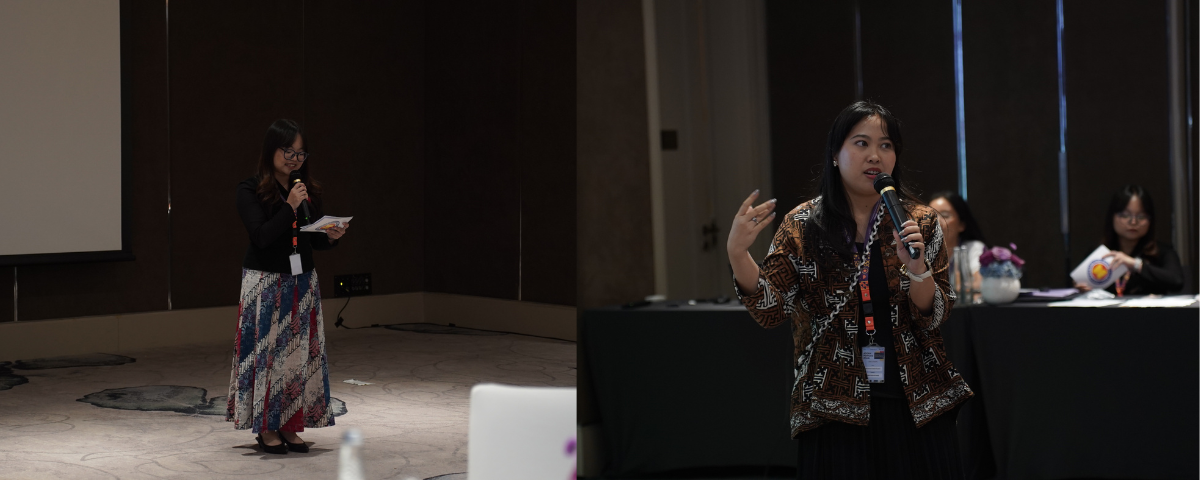
Photo 4 and 5. Nadya Geraldine Handani, Research Assistant of ACCEPT as the Master of Ceremony (left) and Shania Esmeralda Manaloe, Research Analyst of Fossil Fuel, Hydrocarbon, and Minerals (FOM) Department at ACE (right).
Moving from policy dialogue to brainstorming solutions, the session continued in the afternoon with the second sub-event, the ASEAN Cross-Ministerial Interactive Workshop on Energy-Climate Nexus, with Nadya Geraldine Handani, Research Assistant of ACCEPT II as the Master of Ceremony, and opened with a context-setting presentation session by Shania Esmeralda Manaloe, Research Analyst of the Fossil Fuel, Hydrocarbon, and Minerals (FOM) Department at ACE. The session introduced challenges and opportunities for cross-ministry energy-climate coordination across the region.
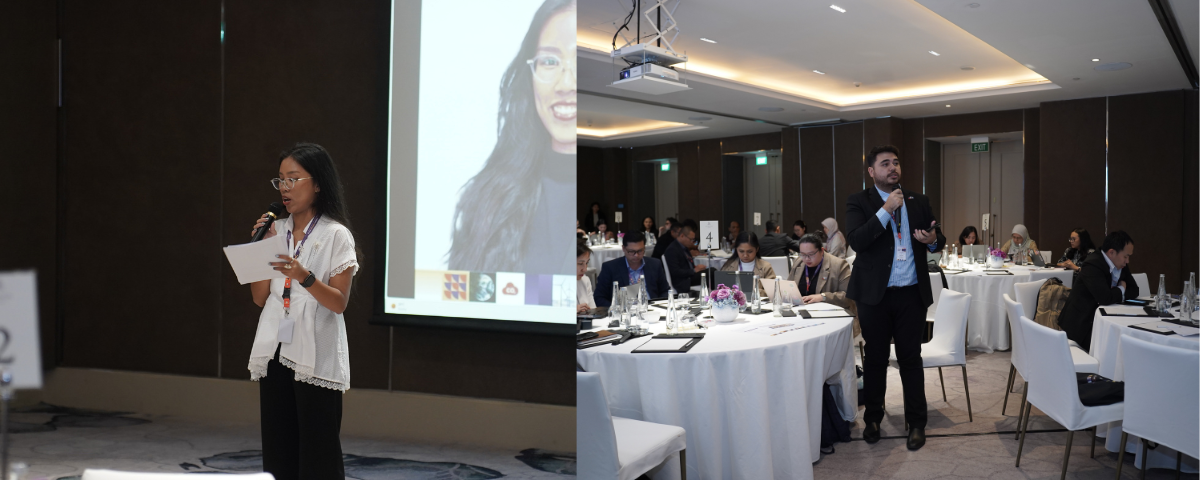
Photo 6 and 7. Nathania Azalia, Research Analyst of ACCEPT II, as the Moderator (left) and participants engaging with the discussion (right).
Session two, on Perspective Mapping and Fire-Starter Discussion on Net-Zero in the Energy Sector, was moderated by Nathania Azalia, Research Analyst of ACCEPT II. It was designed to help participants identify the respective roles, responsibilities, and priorities of different government ministries in advancing carbon dioxide decarbonisation and methane reduction. The session was conducted using interactive slides, in which workshop participants can interact with the questions displayed. The discussion surfaced just how uneven methane governance still is across the region as some Member States have developed methane strategies for the oil and gas sector, while others still have broad strategies that are not specific to methane emissions.
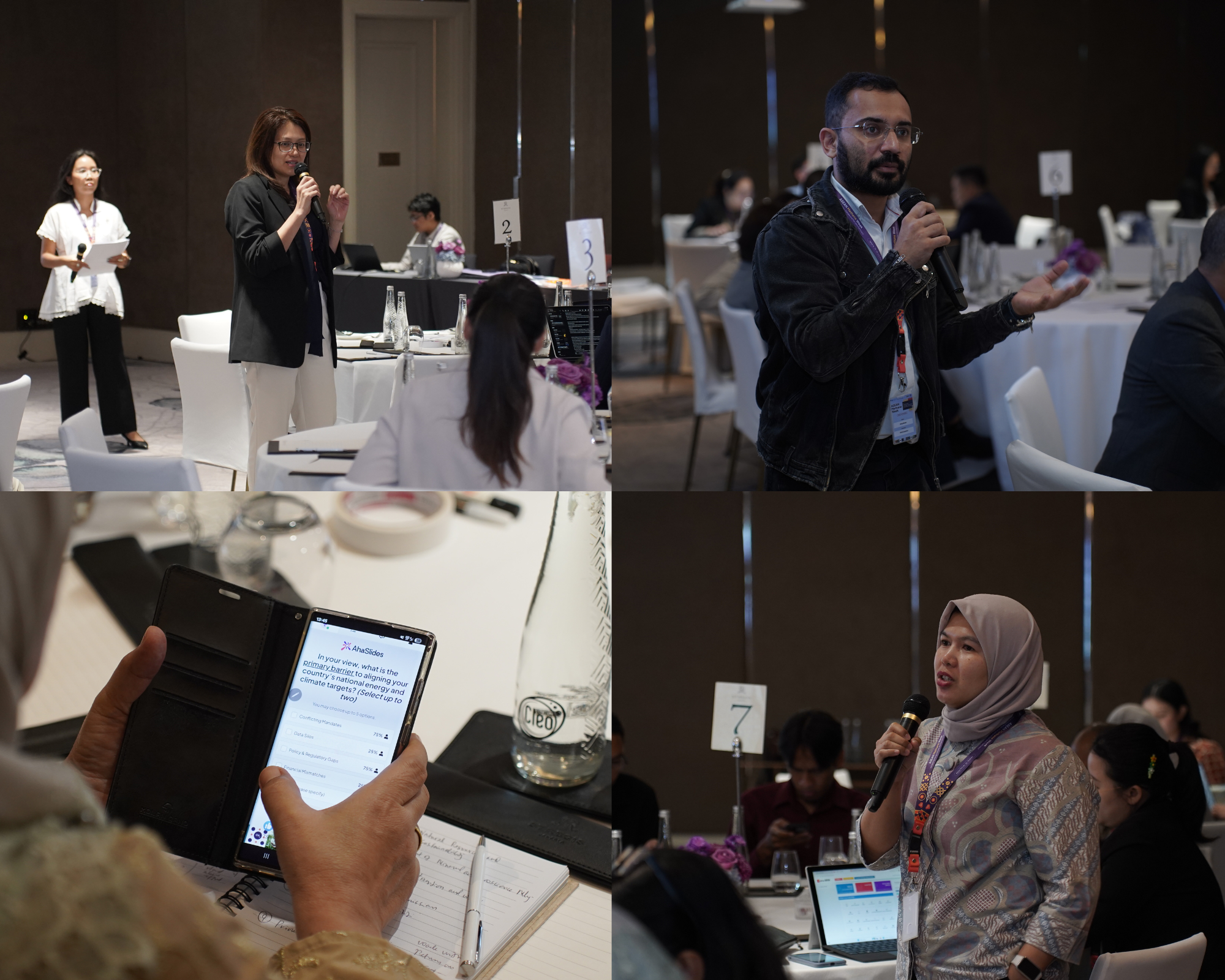
Photo 8-12. Representatives engaging with the interactive workshop.
The discussion also highlighted how all of the representatives consider inter-ministerial coordination as very important for solving the methane issue and energy-climate targets in general, since methane emissions and climate issues are inherently cross-cutting and difficult to resolve without a dedicated coordinating body. Some voiced their eagerness to learn from Member States with robust inter-ministerial coordinating body on climate change, such as Singapore. On areas of inter-ministerial coordination that should be prioritised to achieve national climate targets, most representatives chose to establish a permanent cross-ministerial task force and to jointly design an integrated national roadmap, while other representatives prioritise unifying the legal frameworks and permitting processes for green projects or co-developing fiscal incentives. Some national representatives noted that dedicated taskforces have proven the faster route to resolving issues domestically, while others highlighted that an integrated national roadmap was essential to giving all national actors a common direction.
Moving on to priority gaps, most representatives note that technical capacity and expertise and access to reliable data and information as the two biggest gaps that their ministries/institutions cannot solve alone. There are also gaps on cross-ministerial coordination, target or policy alignment between ministries, financing issues, and the lack of private sector engagement that some representative notes are priority gaps that need to be addressed.
Regarding issues on methane mitigation actions, many participants highlighted the problem of monitoring and reporting, as most participants reported having issues regarding access to reliable data and information on methane, and many Member States does not have formal mechanism for tracking methane specifically. Discussions also showed how there are barriers in the form of technological and financial constraints, confidentiality and data-sharing restrictions, and limited data availability or quality. Participants then highlighted how an integrated emissions-data system accessible to all ministries would be very beneficial for reducing national methane emissions.
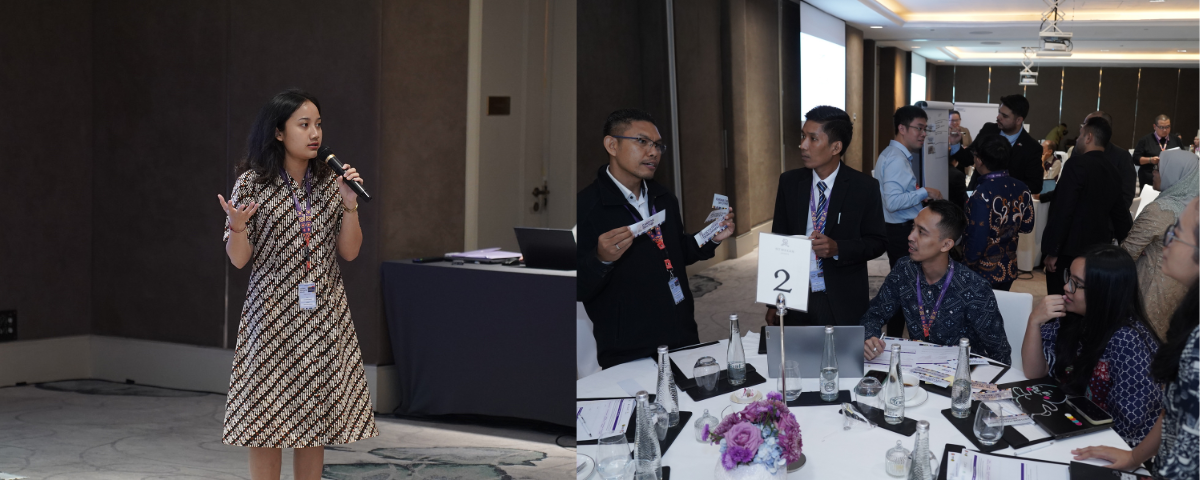
Photo 13 and 14. Indira Pradnyaswari, Research Analyst of ACCEPT II, as the Moderator (left) and participants discussing scenarios (right).
The workshop then continues with the third session, on Future Direction to Foster Cross-Ministerial Cooperation, this session was moderated by Indira Pradnyaswari, Research Analyst of ACCEPT II. The session begins with an introduction to the trial-run activity by Ms. Indira, in which participants were split into five breakout tables and role-play as an imaginary country’s cross-ministerial decision-making body under two scenarios. In Scenario 1, the country receives unlimited, long-term funding, and each table selects three priority projects to launch immediately. In Scenario 2, that budget is cut by 70%, forcing each table to cut or reprioritize its choices.
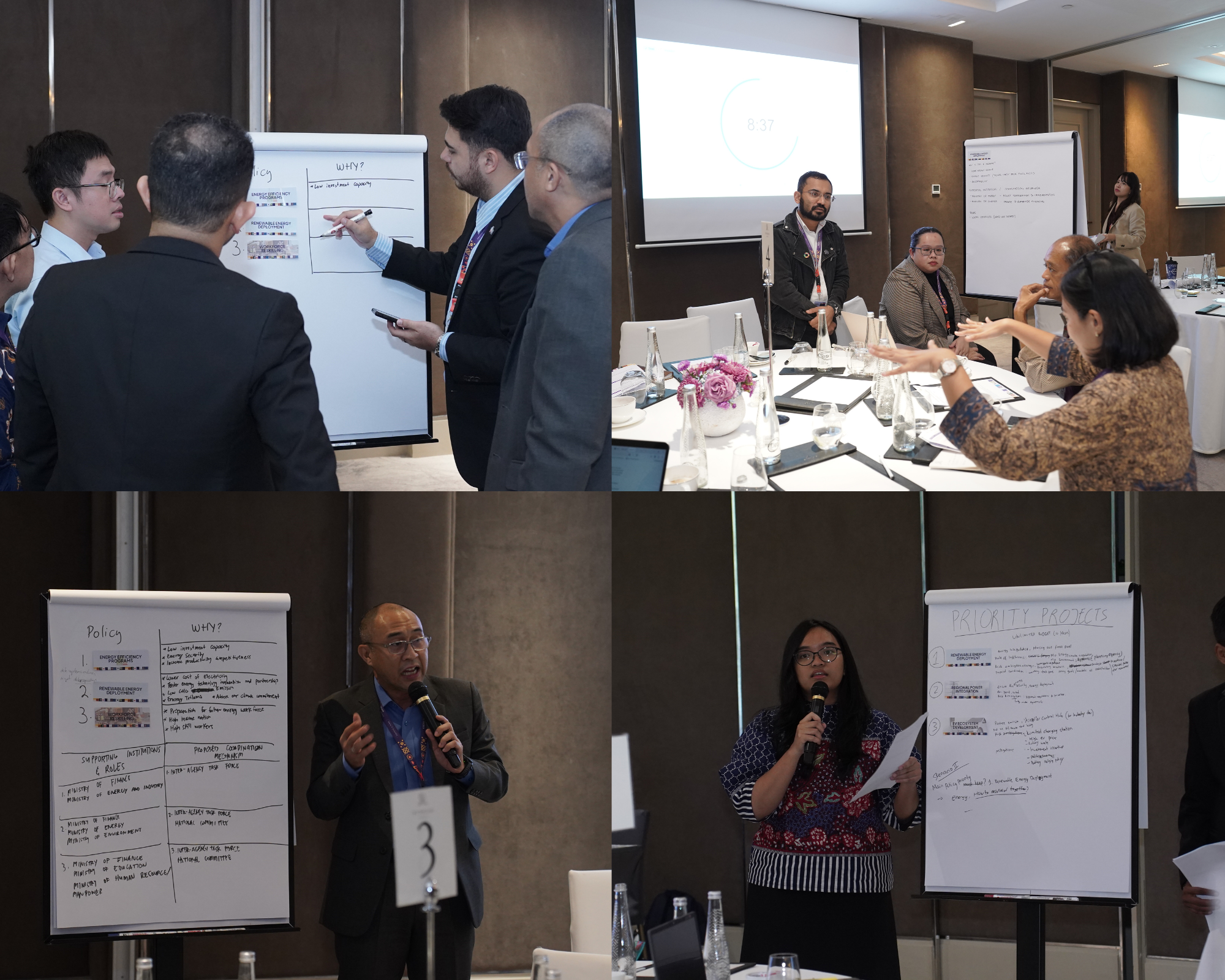
Photo 15-18. Representatives discussing and presenting their scenarios.
For Scenario 1, renewable energy (RE) deployment emerged as the closest thing to regional consensus as it was selected as a top three priority at every single table, justified variously by ASEAN’s shared regional RE targets under APAEC, strong solar potential, energy security, and the increasing affordability and bankability of RE projects. Other than this, tables diverge on their priorities, some chose a dedicated methane management programme, reasoning on methane’s role as a potent pollutant that could have big climate impact if tackled. Others chose energy efficiency programmes or grid modernisation to limit energy demand growth and prepare the grid for RE deployment.
On the budget-cut scenario, capital-intensive and higher-risk projects were the first to go. Carbon capture, utilisation and storage (CCUS) and hydrogen projects were dropped as the costs are still too high. However, participants stressed that these were financing decisions rather than a statement of priorities, and many tables reiterated that in the event of a budget reduction, they will seek private-sector co-financing, lean on projects that are already commercially bankable, and explore carbon pricing as a supplementary revenue source.
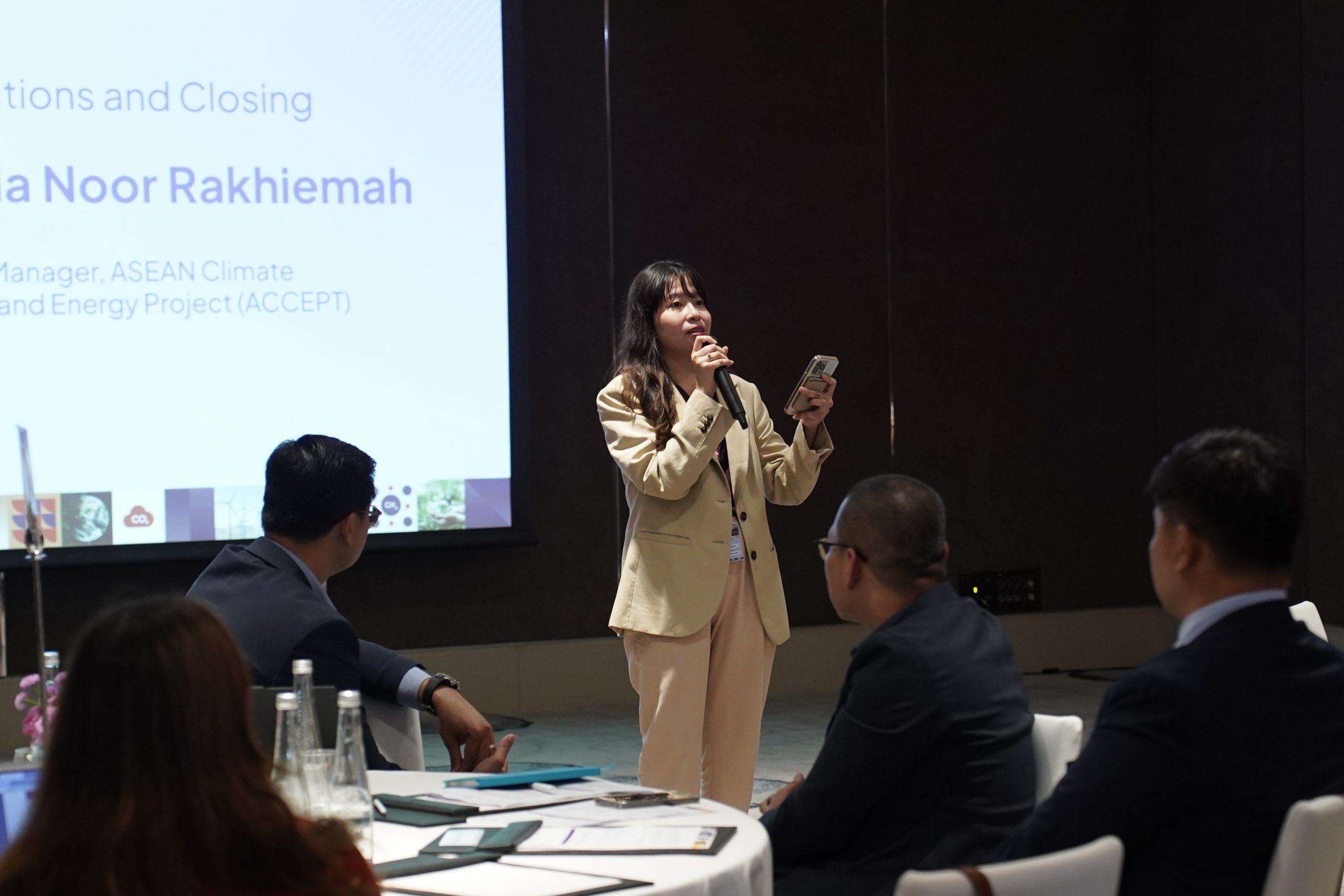
Photo 19. Aldilla Noor Rakhiemah, Project Manager of ACCEPT II, closing the workshop.
Closing the workshop, Aldilla Noor Rakhiemah, Project Manager of ACCEPT II, noted how in the trial run session, renewable energy deployment stood out as the one genuine common ground across every breakout table. And on the different priorities that stood out, they build mutual understanding of what different ministries, Member States, and local governments are each weighing. There is no single pathway that will work in every context, and the goal of the event was to help participants build a pack of pathways that Member States and institutions could adapt to their own circumstances and enact.
Taken together, the high-level dialogue of the day confirmed that the technical and financial building blocks for methane mitigation are increasingly in place in the region, and the cross-ministerial workshop made clear the institutional hurdles that still remain, such as fragmented mandates, inconsistent monitoring systems, and ministries that too often work in parallel rather than in concert. The way forward is then clear, to build durable coordination mechanisms whether it is standing task forces, integrated roadmaps, or shared data systems, so that the region’s growing methane and climate ambitions can translate into real, measurable progress.
** Join our ASEAN Researchers Network on Climate Change (ARNECC) by registering yourself here. Become a part of our collaborative efforts to address pressing climate challenges and shape a sustainable future.
Detailed information on ACCEPT II can be found at https://accept.aseanenergy.org/
Follow our social media to stay updated on ASEAN’s energy-climate nexus and ACCEPT activities.