
Wednesday, 6 May 2026
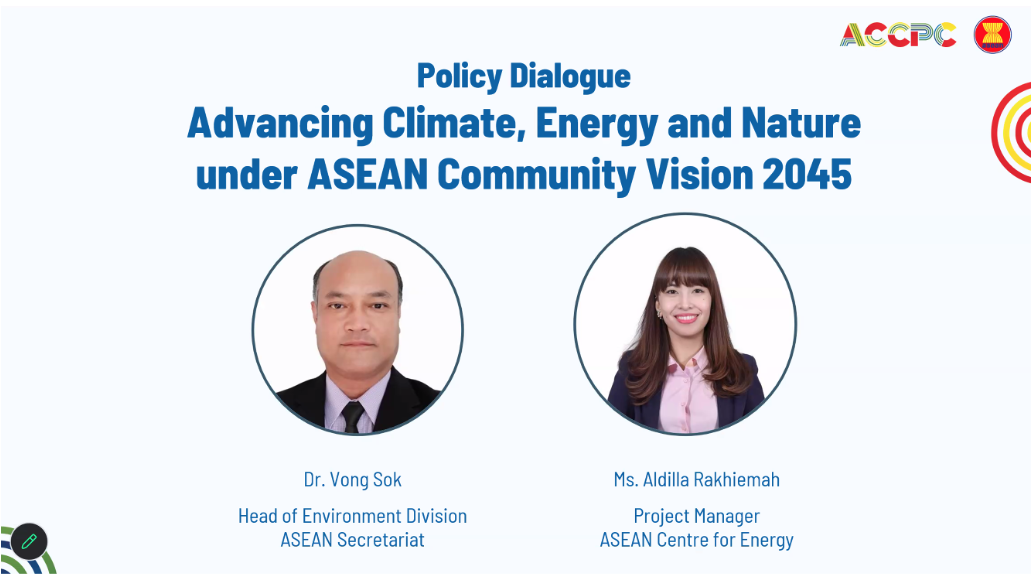
Photo 1. Banner of the 6th ASEAN Climate Change Partnership Conference (ACCPC) Policy Dialogue: Advancing Climate, Energy and Nature under ASEAN Community Vision 2045.
Wednesday, 6 May 2025 – The ASEAN Centre for Energy (ACE) through the ASEAN Climate Change and Energy Project (ACCEPT) participated in the 6th ASEAN Climate Change Partnership Conference (ACCPC), hosted by the Ministry of Natural Resources Environment and Sustainability (NRES) Malaysia in its capacity as the host country of the 17th Meeting of ASEAN Working Group on Climate Change (AWGCC). Serving as a regional dialogue platform for climate action and regional cooperation, this year’s ACCPC focuses on key priorities to build integrated approaches across climate, energy, and nature.
Representing ACE for the policy dialogue titled “Advancing Climate, Energy and Nature under ASEAN Community Vision 2045,” is Ms. Aldilla Noor Rakhiemah, Project Manager of ACCEPT. She shared that integrating energy and climate is vital to enhance long-term energy security, affordability, accessibility, and sustainability—which are core issues in the region’s energy landscape. ASEAN’s energy demand will continue to rise until 2050, highlighting the urgent need to shift to cleaner energy sources and adopt energy efficiency technologies to limit emissions and move toward low-carbon energy systems.
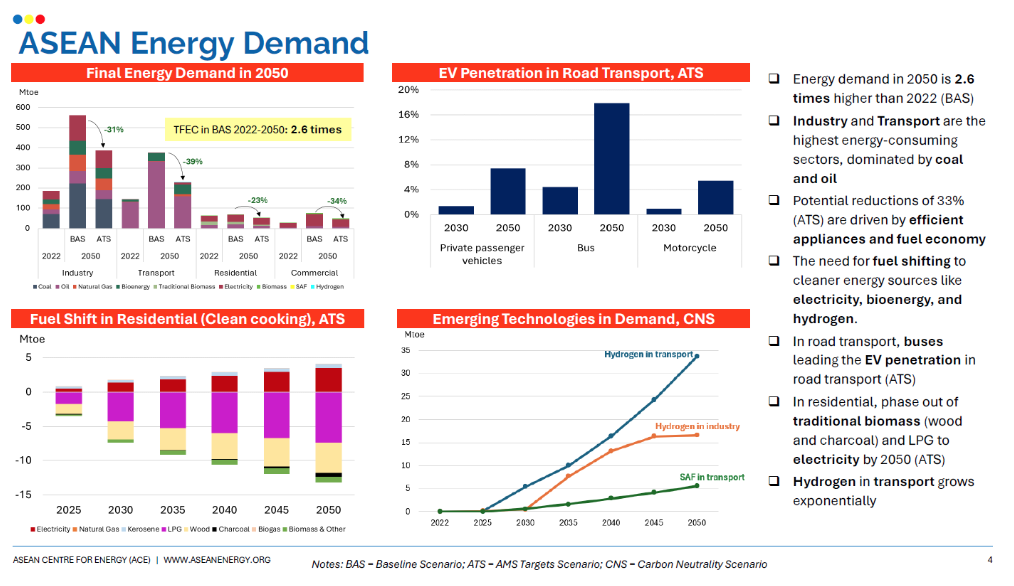
Photo 2. ASEAN energy demand towards 2050
Highlighting energy security and resiliency in the midst of geopolitical shifts, Ms. Aldilla highlighted the ASEAN Power Grid (APG), which serves as an opportunity to enhance regional energy security and facilitate up to USD 3 trillion GDP value add to ASEAN by 2050. With the rapid energy demand growth and the urgent need to decarbonise, the APG can help ASEAN Member States access cleaner energy to fuel the economy—balancing decarbonisation and economic development.
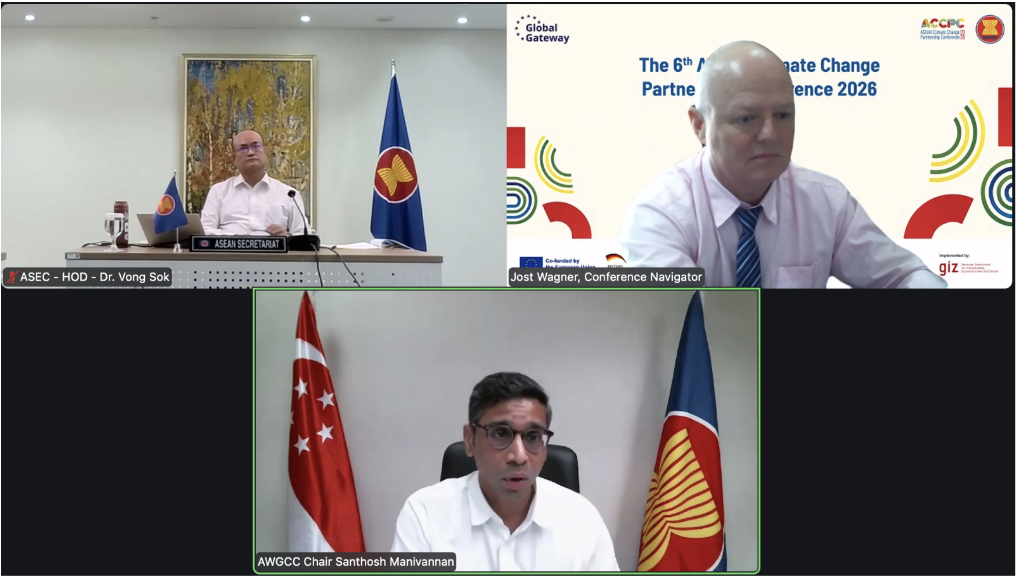
Photo 3. Discussion session with the participants. (Left to right) Dr. Vong Sok, Head of Environment Division at the ASEAN Secretariat, Jost Wagner of GIZ, and Santhosh Manivannan, Director of Policy at the National Environment Agency and AWGCC Chair
The discussion session opened with a question about the Middle East situation, and if it was accelerating the energy transition in ASEAN. Ms. Aldilla and Dr. Vong Sok from the ASEAN Secretariat affirmed the statement, noting that heavy reliance on imported fossil fuels makes energy security a growing concern, with responses centred on scaling domestic renewables, improving energy efficiency, and deepening regional power interconnectivity. On private sector involvement, Dr. Vong Sok noted that engagement remains limited to areas where there is clear profitability, leaving gaps in less commercially attractive but critical areas, and called for structured public-private dialogue to identify incentives that could help bridge this. AWGCC Chair Santhosh Manivannan added that while the policy direction in the region is clear, the critical friction lies in market entry barriers and the need to improve the bankability of green projects.
The latter discussion raised the issue of the growing demand for data centres and artificial intelligence (AI). Ms. Aldilla noted that data centre demand will be incorporated in the next ASEAN Energy Outlook edition. She also highlighted AI’s potential for power system optimisation, while cautioning that data centres must be developed responsibly given their significant resource demands. Dr. Vong Sok added that the environment sector lags behind in technology adoption and sees AI as a tool to strengthen monitoring and reporting.
The policy dialogue session closed on a growing urgency for ASEAN to accelerate a resilient and inclusive energy transition while safeguarding regional energy security. The discussion underscored the importance of cross-sectoral climate governance, private sector engagement, and the role of emerging technologies such as artificial intelligence in enhancing emissions monitoring, grid optimisation, and climate risk management. Overall, the dialogue reinforced that ASEAN’s transition pathway requires stronger regional cooperation, inclusive stakeholder engagement, innovative financing mechanisms, and holistic climate-energy strategies that integrate resilience and long-term implementation capacity.
(NA, AAH)
** Join our ASEAN Researchers Network on Climate Change (ARNECC) by registering yourself here. Become a part of our collaborative efforts to address pressing climate challenges and shape a sustainable future.
Detailed information on ACCEPT II can be found at https://accept.aseanenergy.org/
Follow our social media to stay updated on ASEAN’s energy-climate nexus and ACCEPT activities.