
Tuesday, 28 April 2026
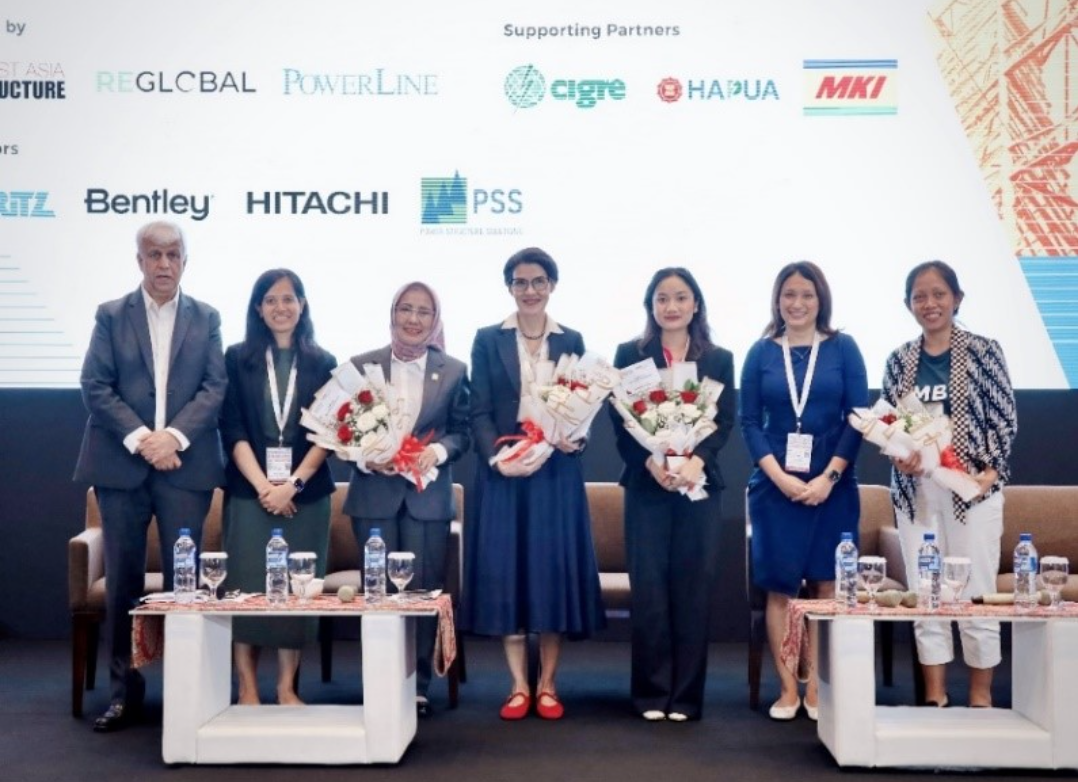
Photo 1. (left to right) Alok K. Brara, CEO of Global Transmission Report; Reya Ramdev, Director, Global Transmission Report; Chairani Rachmatullah, President of The Board of Directors at PLN; Dr Ruly Marianti, Team Leader for Green Jobs Polices & Partnership at GIZ; Indira Pradnyaswari, Research Analyst at ASEAN Centre for Energy, (corner right) Dr Dinita Setyawati, Senior Electricity Policy Analyst at South East Asia Ember
According to the ASEAN Energy Statistic Leaflet 2025, women make up on average 24% of the energy workforce across ASEAN—a small amount that framed the urgency of discussion at the Special Session: Women in Energy. The session was organised during TransTech ASEAN 2026, the first trade show in Southeast Asia region arranged by Global Transmission Report which focused on the multistakeholder engagement behind power transmission industry.
On this occasion, Ms Indira Pradnyaswari, Research Analyst of the ASEAN Climate Change and Energy Project was invited to share about gender equality in ASEAN’s energy cooperation. Moderated by Reya Ramdev, the conversation brought together insights from across disciplines—Ms Chairani Rachmatullah, President of The Board of Directors at PT PLN Engineering; Dr Ruomei Li, Vice Chair at China Energy Research Society, Dr Ruly Marianti, Team Leader for Green Jobs Policies & Partnership at GIZ; Dr Dinita Setyawati, Senior Electricity Policy Analyst at South East Asia Ember; and Ms Indira Pradnyaswari from the ASEAN Centre for Energy. Despite their varied backgrounds, they shared a common view: the energy transition cannot reach its full potential without greater inclusivity.
Speakers addressed a persistent gap not only in participation, but also in leadership. Women remain underrepresented in decision-making roles, particularly in technical and executive positions where the direction of energy systems is defined. Bringing more women in the energy sector is not just giving them a seat at the table, but ensuring they are heard, empowered, and able to lead. The speakers highlighted the critical role of policy in advancing gender equality within the energy sector. Enabling frameworks, ranging from gender-responsive recruitment practices to national energy strategies that incorporate explicit diversity targets can help establish a more inclusive workforce. However, policy measures alone are insufficient without corresponding shifts in institutional culture. Organisations must evolve to better support women across all stages of their careers, addressing systemic challenges such as unconscious bias and work-life balance constraints that disproportionately affect female professionals.
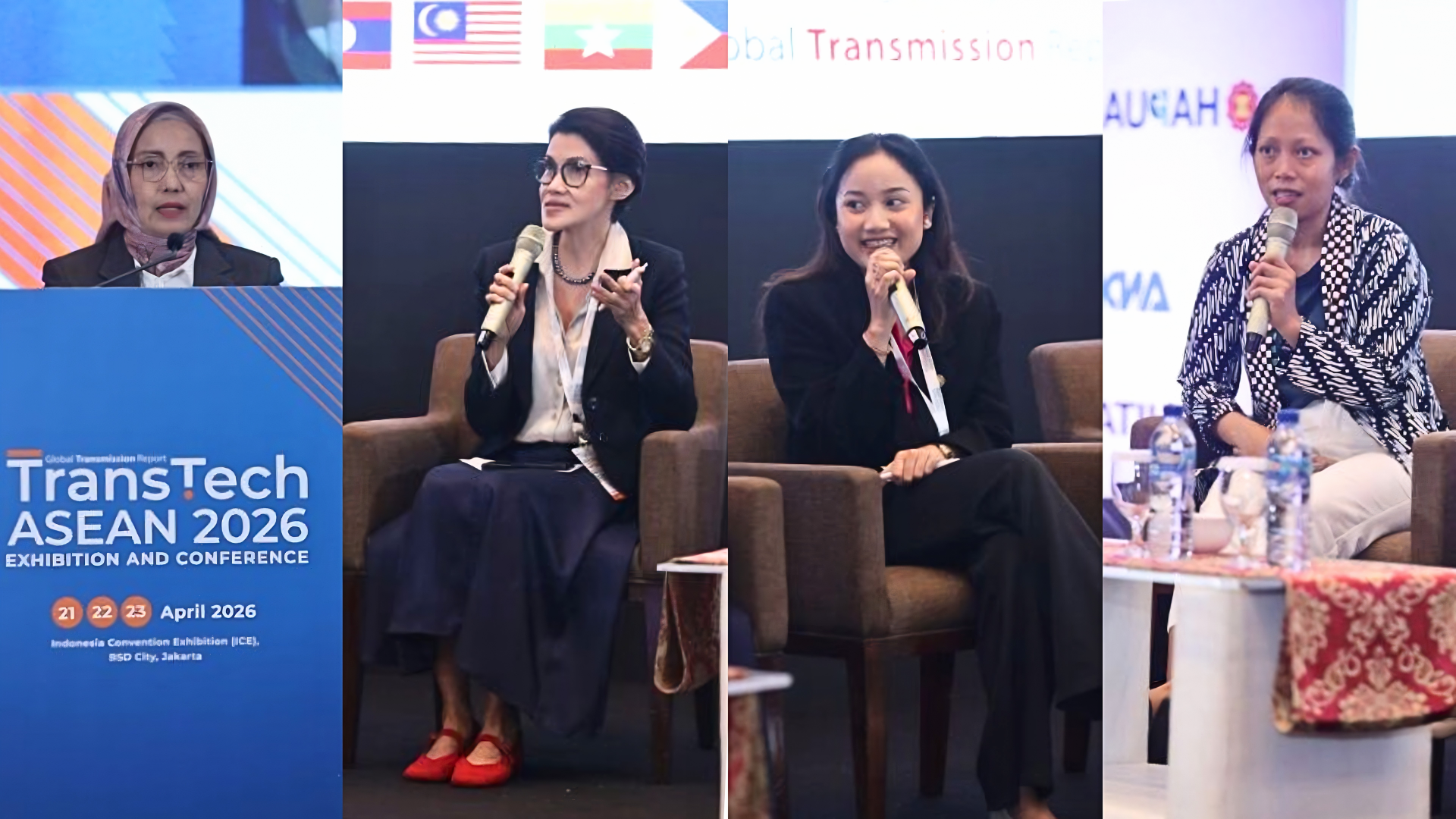
Photo 2. (left to right) Chairani Rachmatullah, President of The Board of Directors at PLN; Dr Ruly Marianti, Team Leader for Green Jobs Polices & Partnership at GIZ; Indira Pradnyaswari, Research Analyst at ASEAN Centre for Energy; Dr Dinita Setyawati, Senior Electricity Policy Analyst at South East Asia Ember
Ms Indira Pradnyaswari addressed ACE’s initiatives on empowering equality in ASEAN’s energy cooperation. Starting with the APAEC 2026-2030 under the theme of ‘Advancing Regional Cooperation in Ensuring Energy Security and Accelerating Decarbonisation for a Just and Inclusive Energy Transition’, underscoring how inclusivity is embedded as a core principle of the region’s energy agenda. She also addressed several initiatives led by the ASEAN Centre for Energy, including ACE Inclusivity Pledge, which calls for stronger institutional commitment of inclusivity across the sector, and the ASEAN Gender Equality in Energy Booklet, aims at raising awareness and sharing knowledge on gender-responsive activities in the energy cooperation. In addition, ACE’s also actively campaigning International Women’s Day to share women’s voices and contributions in energy, while encouraging broader public engagement on the importance of equality in the transition.
Mentorship emerged as another important topic. Across the discussion, speakers emphasised the importance of visible role models and structured support systems. In a sector long dominated by men, mentorship does more than guide, it shows women they belong and can succeed. Initiatives from private sector, such as PLN ‘Srikandi’ – a dedicated task force and empowerment movement within the company, is crucial on enhancing the role of women in the electricity industry.
The session closed on an optimism by the end of the discussion. The barriers for women are real, yet progressive efforts and initiatives have been shaped gradually in the region. The discussion made one point clear: inclusion is not optional, it is necessary. Advancing it will require strong commitment and bold leadership to ensure more women can enter and thrive in the energy sector. As ASEAN continues to balance growth and sustainability, the focus is shifting from whether women should be involved to how quickly change can happen and what can be achieved when it does.
(IP)
** Join our ASEAN Researchers Network on Climate Change (ARNECC) by registering yourself here. Become a part of our collaborative efforts to address pressing climate challenges and shape a sustainable future.
Detailed information on ACCEPT II can be found at https://accept.aseanenergy.org/
Follow our social media to stay updated on ASEAN’s energy-climate nexus and ACCEPT activities.