
Bandung, 18 January 2025
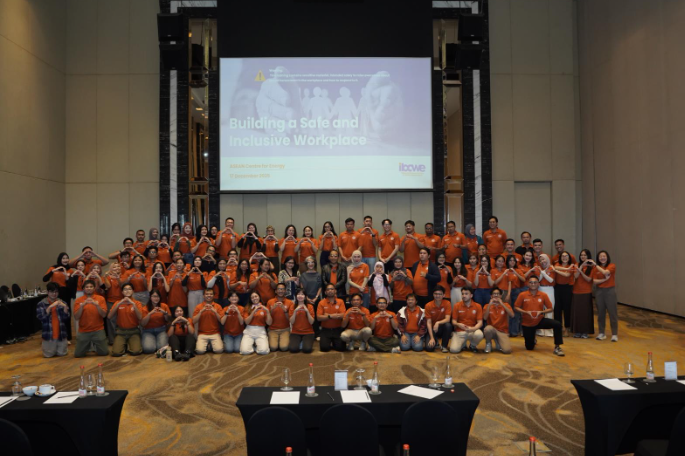
Photo 1. The Energy Gender Awareness Training: Building a Safe and Inclusive Workplace training for the ASEAN Centre for Energy’s annual staff gathering.
18 December 2025 – ASEAN Centre for Energy (ACE) and the ASEAN Climate Change and Energy Project (ACCEPT) Phase II held the Energy Gender Awareness Training: Building a Safe and Inclusive Workplace, a training on Gender Equality, Disability, and Social Inclusion (GEDSI) at the ACE annual staff gathering. Ms. Aldilla Noor Rakhiemah, ACCEPT II’s Project Manager, opened the session. Joined as facilitator are the Indonesia Business Coalition for Women Empowerment (IBCWE) Executive Director, Ms. Wita Krisanti, and Programme Support of IBCWE, Ms. Nityadhira Aldianita.
The training complemented the signing of ACE’s Inclusivity Pledge, which was signed by Dato’ Ir. Ts. Razib Dawood, Executive Director of ACE, Heads of Departments, and all staff.
The discussions aimed to strengthen ACE’s understanding and practice of diversity and inclusion in the workplace.
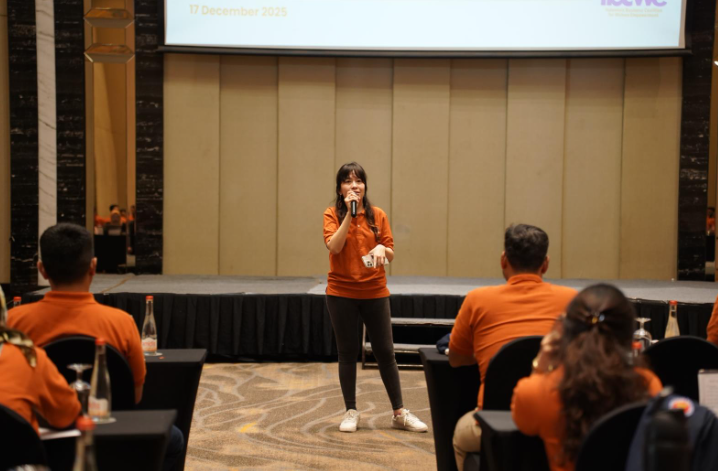
Photo 2. ACCEPT II’s Project Manager, Ms Aldilla Noor Rakhiemah, led the Energy Gender Awareness Training: Building a Safe and Inclusive Workplace
To kick off the session, participants were given an introduction to diversity, equity, inclusion, and intersectionality, how to build a respectful workplace, sexual harassment in the workplace, the importance of consent, and how ACE will apply awareness to these topics in the organisation. Staff were encouraged to reflect on how visible and invisible diversity shape perspectives, communication, and work styles. The session emphasised the importance of fostering an inclusive environment where all forms of diversity are respected, recognising that this strengthens collaboration and creates a more supportive workplace.
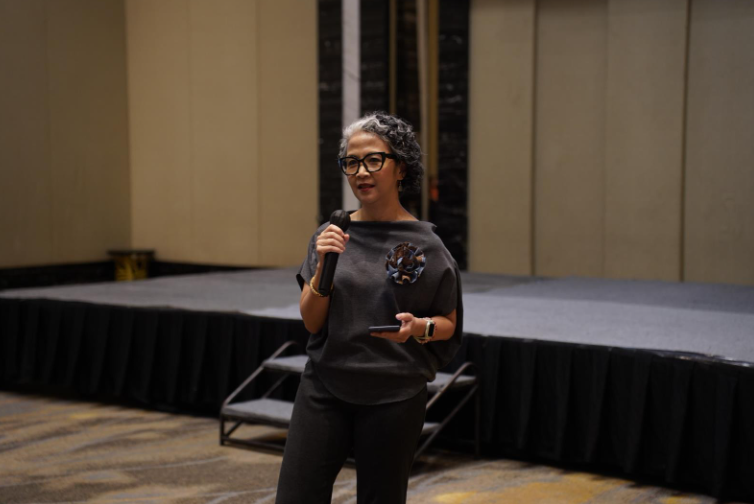
Photo 3. Indonesia Business Coalition for Women Empowerment (IBCWE) Executive Director, Ms. Wita Krisanti, delivered the training materials.
Ms. Wita Krisanti emphasised the importance of ensuring equality of access and opportunity for all staff. Discussions focused on the need to recognise, understand, and address systemic barriers, acknowledge differing needs, and provide appropriate support without making assumptions. Participants explored how equity differs from equality, highlighting that fair treatment often requires inclusive approaches to different needs rather than identical ones.
The session was interactive as Ms. Wita opened the floor for questions and answers over the course of her presentation. One participant discussed the extent to which diversity should be accommodated. It was noted that while organisational priorities must remain central, individual needs can often be met through balanced solutions. She mentioned that using the Performance Assessment Review (PAR) process can be a practical opportunity to ask team members about the support they need.
Refreshing the topic of inclusion, it was highlighted that we should not stop at only acknowledging diversity but also working towards actively accepting and supporting individuals from different backgrounds. Gender inclusivity in ASEAN’s male-dominated energy sector was also discussed, particularly the effectiveness of 50/50 gender quotas.
Ms. Wita cautioned that quotas can become box-ticking exercises and stressed that inclusivity should prioritise competence and equal opportunity for both women and men. Participants were encouraged to look beyond numbers and examine where women are represented, noting their concentration in lower-level or traditionally “feminine” roles, underscoring the need for more nuanced approaches across roles and levels.
The session also addressed workplace harassment, noting how power dynamics and gender norms contribute to women’s increased vulnerability and the overrepresentation of men in positions of authority. This highlighted the need for proactive policies, awareness, and accountability.
Finally, the discussion underscored the importance of clear grievance mechanisms and sexual harassment guidelines, with confidentiality as a core principle. Beyond systems, organisations were encouraged to foster humility, openness to diverse perspectives, and the courage to speak up or intervene.
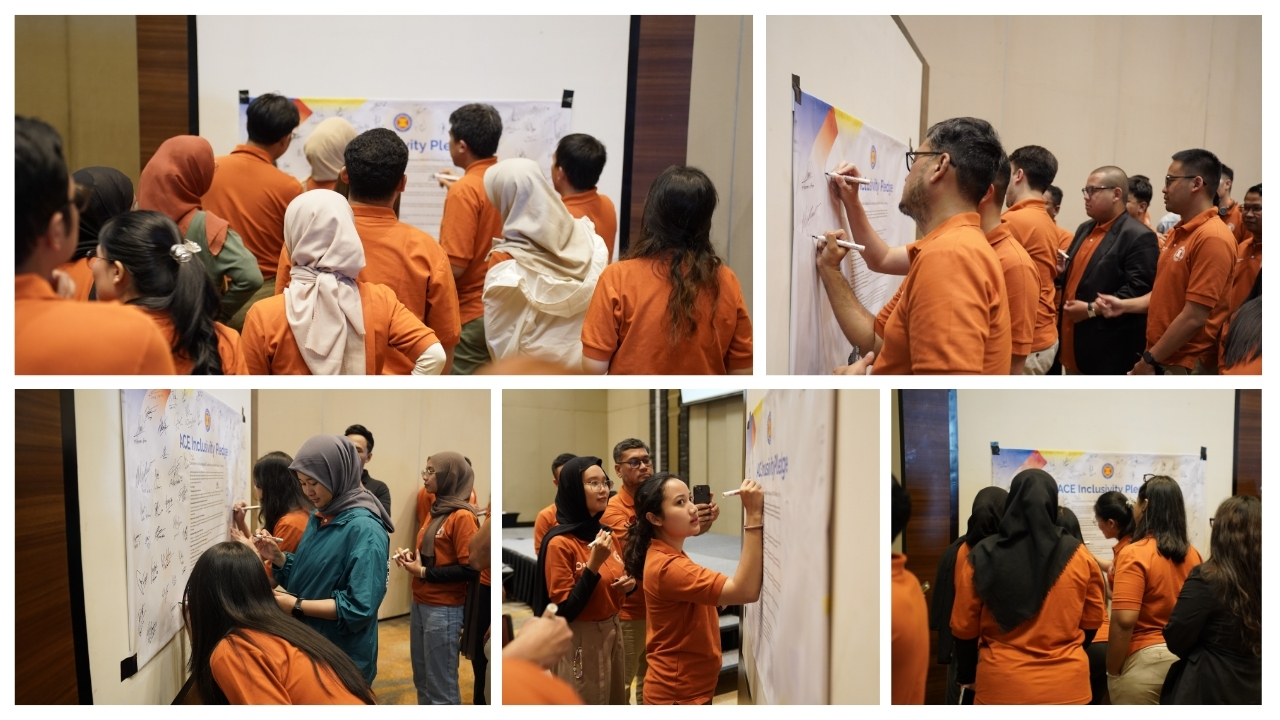
Photo 4. ACE staff signing the inclusivity plegde.
** Join our ASEAN Researchers Network on Climate Change (ARNECC) by registering yourself here. Become a part of our collaborative efforts to address pressing climate challenges and shape a sustainable future. Detailed information on ACCEPT II can be found at https://accept.aseanenergy.org/ Follow our social media to stay updated on ASEAN’s energy-climate nexus and ACCEPT activities.