
Bangkok, 1 October 2025
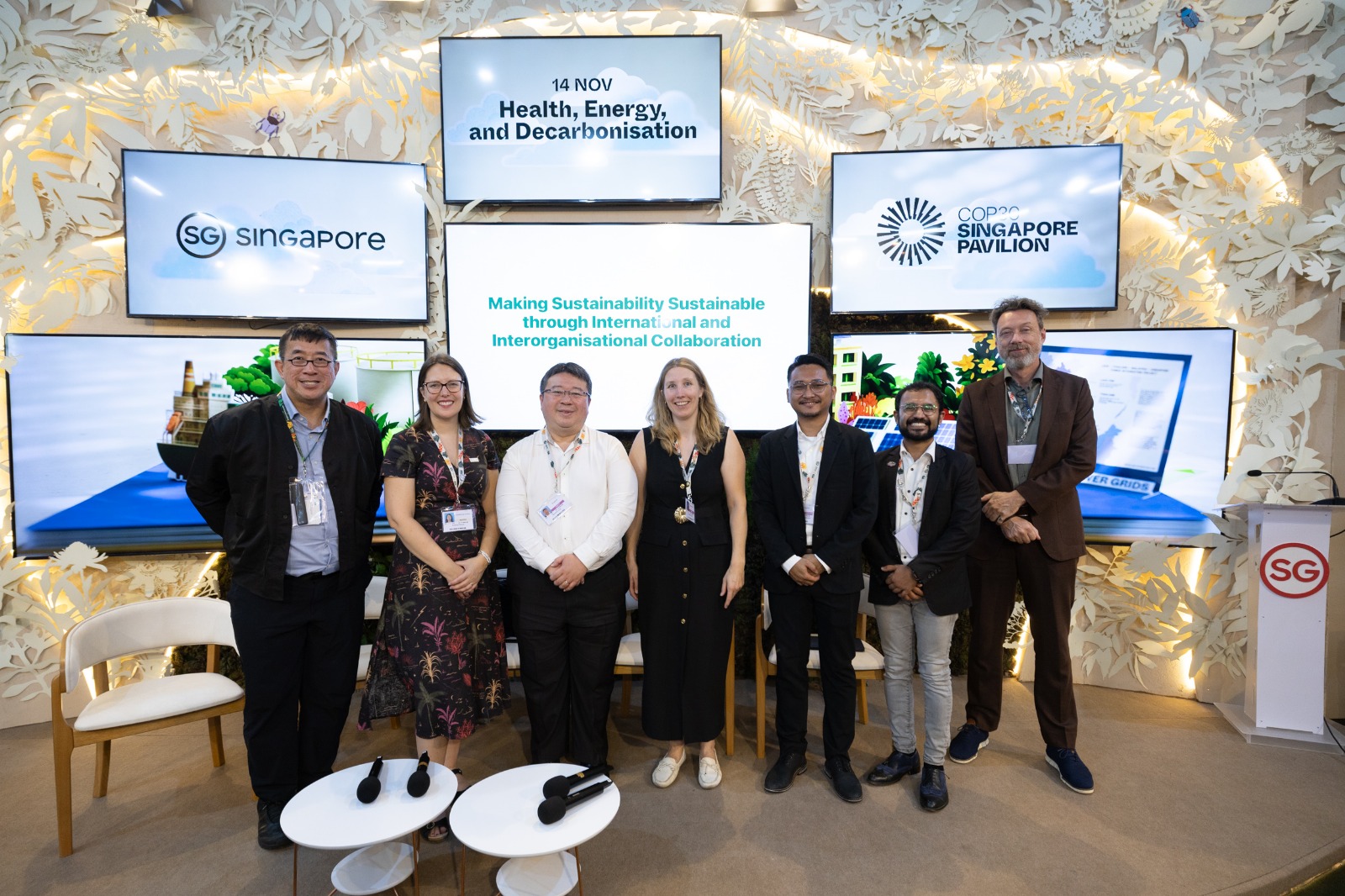
Photo 2. Panel session at the Malaysia Pavilion
The Conference of the Parties to the United Nations Framework Convention on Climate Change stands as the largest annual conference to discuss, negotiate, and make decisions on how to address climate change and achieve the goals of the Paris Agreement. Its 30th session (COP30) took place in Belém, Brazil, from 10-21 November 2025. For 11 days, countries from all over the world were brought together to advance global climate action, negotiate stronger commitments, and agree on implementation pathways.
As the ASEAN Centre for Energy’s flagship initiative on the energy–climate nexus, the ASEAN Climate Change and Energy Project (ACCEPT) plays a key role in supporting ACE’s participation and active engagement at COP30. Representing ACE and ACCEPT, Muhammad Rizki Kresnawan, Senior Research Analyst of ACCEPT II, contributed to a series of technical panel sessions, presenting ASEAN’s regional cooperation efforts and knowledge products that align climate ambition with energy security to drive a just and inclusive transition.
Rizki joined as a panellist on the session titled “Partnership for Our Goals: The Sarawak Journey” hosted by the Malaysia Pavillion, alongside senior policymakers and experts including The Honourable Datuk Dr. Haji Hazland bin Abang Hipni, Deputy Minister for Energy and Environmental Sustainability Sarawak (MEESty); Vanessa Fakra, Director of Regulatory Affairs and Market Access, Kanadevia Inova (KVI); and Prof. Leong Yuen Yoong, Director of Sustainability Studies, United Nations Sustainable Development Solutions Network (SDSN).
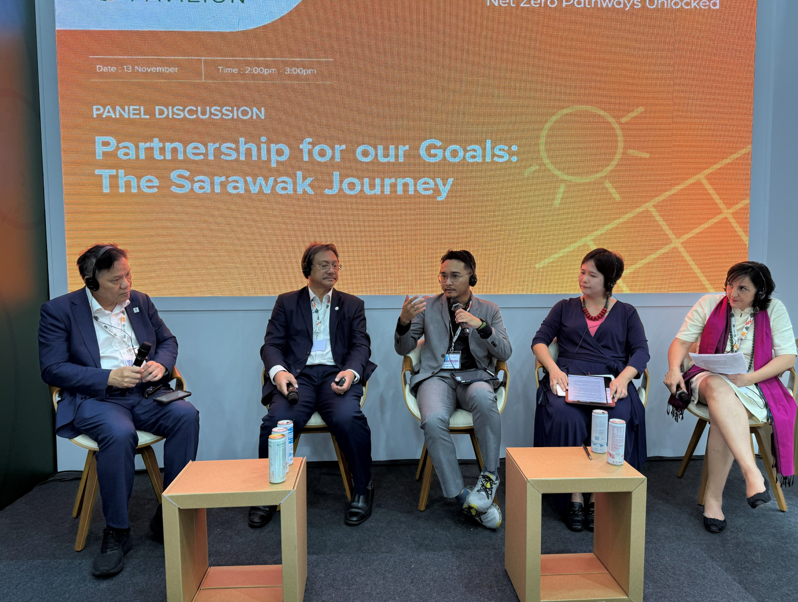
Photo 2. Panel session at the Malaysia Pavilion
The panel focused on Sarawak’s role as an emerging renewable energy (RE) powerhouse, with emphasis on RE integration and its abundant hydropower sources. During the discussion, Rizki addressed how Sarawak’s RE strategy complement ASEAN’s broader energy goals, especially the ASEAN Power Grid (APG). He noted that the APG and Renewable Energy Long-term Roadmap depends on strong national commitment under the ASEAN Plan of Action for Energy Cooperation (APAEC) 2026–2030 vision, enabling power trading and shared decarbonisation. In this context, Sarawak’s hydropower resources, growing interconnections with Brunei and Kalimantan, and emerging hydrogen industry position it as a clean energy hub that can support regional electricity trade and emissions reductions.
Moreover, projects like ACCEPT further advances this agenda by integrating climate considerations into regional capacity building, energy planning, modelling, and policy analysis, strengthening the evidence base for key initiatives such as the APG, RE LTRM, and APAEC 2026–2030. This ensures ASEAN’s pathway toward interconnection and decarbonisation remains coordinated, credible, and inclusive across all member states.
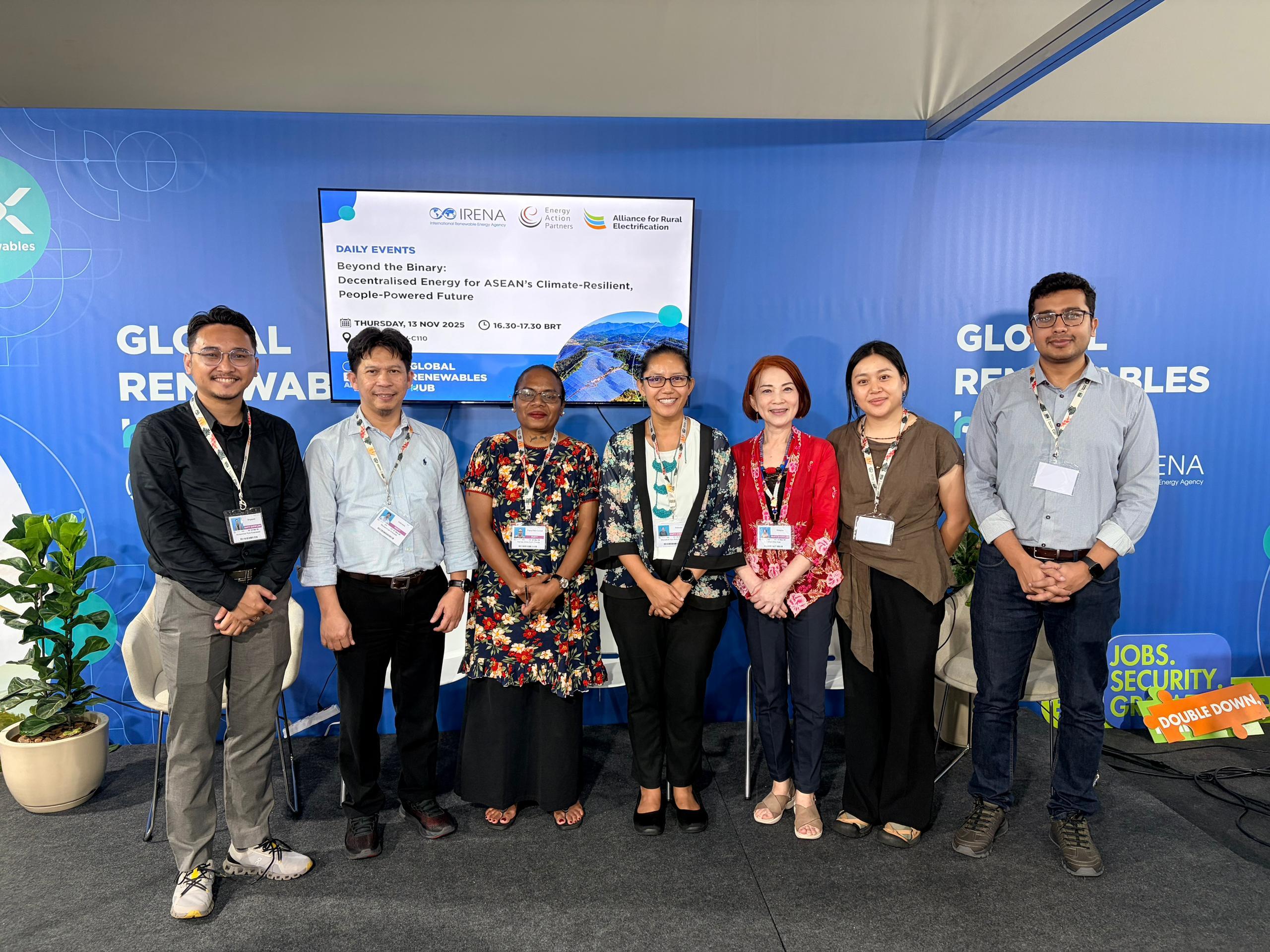
Photo 3. Panellists at the IRENA Pavillion.
Later in that afternoon, Rizki spoke on the panel “Decentralised Energy for ASEAN Climate Resilience”, featuring Muhammad Arifuddin, Coordinator of Energy Conservation Program, Ministry of Energy and Mineral Resources of Indonesia; Rensie Panda, International Affairs & CO Manager at the National Energy Authority (NEA), and Dr Wei-Nee Chan, Head of Carbon Market, Bursa Malaysia. Exploring the role of distributed energy resources (DERs) in supporting RE integration, Rizki noted that, based on the data from the RE LTRM and the 8th ASEAN Energy Outlook (AEO8), DERs such as solar hybrids, mini-grids, and battery systems are moving from the margins to the centre of ASEAN’s energy transition. These decentralised solutions now complement the APG by improving energy access, reducing diesel use, and strengthening local resilience. Under ACCEPT, ACE is helping member states integrate DERs into national planning models and key regional studies.
On the second day, ACCEPT participated in the Global Mitigation Potential Atlas Showcase at the Singapore Pavillion, speaking on the panel themed “Making Sustainability Sustainable through International & Inter-Organisational Collaboration”, which also featured Benedict Chia, Director-General (Climate Change), National Climate Change Secretariat, Prime Minister’s Office of Singapore; Heleen van Soest of the Ministry of Climate Policy and Green Growth of the Netherlands; and Amanda McKee, Director for Knowledge and Learning, NDC Partnership.
Spotlighting the GMPA, this panel highlighted how data-driven tools and collaboration can reduce the cost and complexity of green transition at both the national and organisational level. Rizki underscored the importance of robust data, strong partnerships, and institutionalised modelling in ensuring that energy transition is truly sustainable. In supporting this, the ACCEPT project plays an important role by bringing together national energy-climate models across ASEAN. Rizki recognised that with GMPA, institutions can identify the highest-impact mitigation opportunities, not just by country or sector, but across borders. Hence, by linking ACE and ACCEPT’s modelling work with the GMPA, the project can help build a regional evidence base that supports practical policy, investment decisions, and regional cooperation, while encouraging partners to embed these tools in planning, share capacities, and scale up collective impact across ASEAN and beyond.
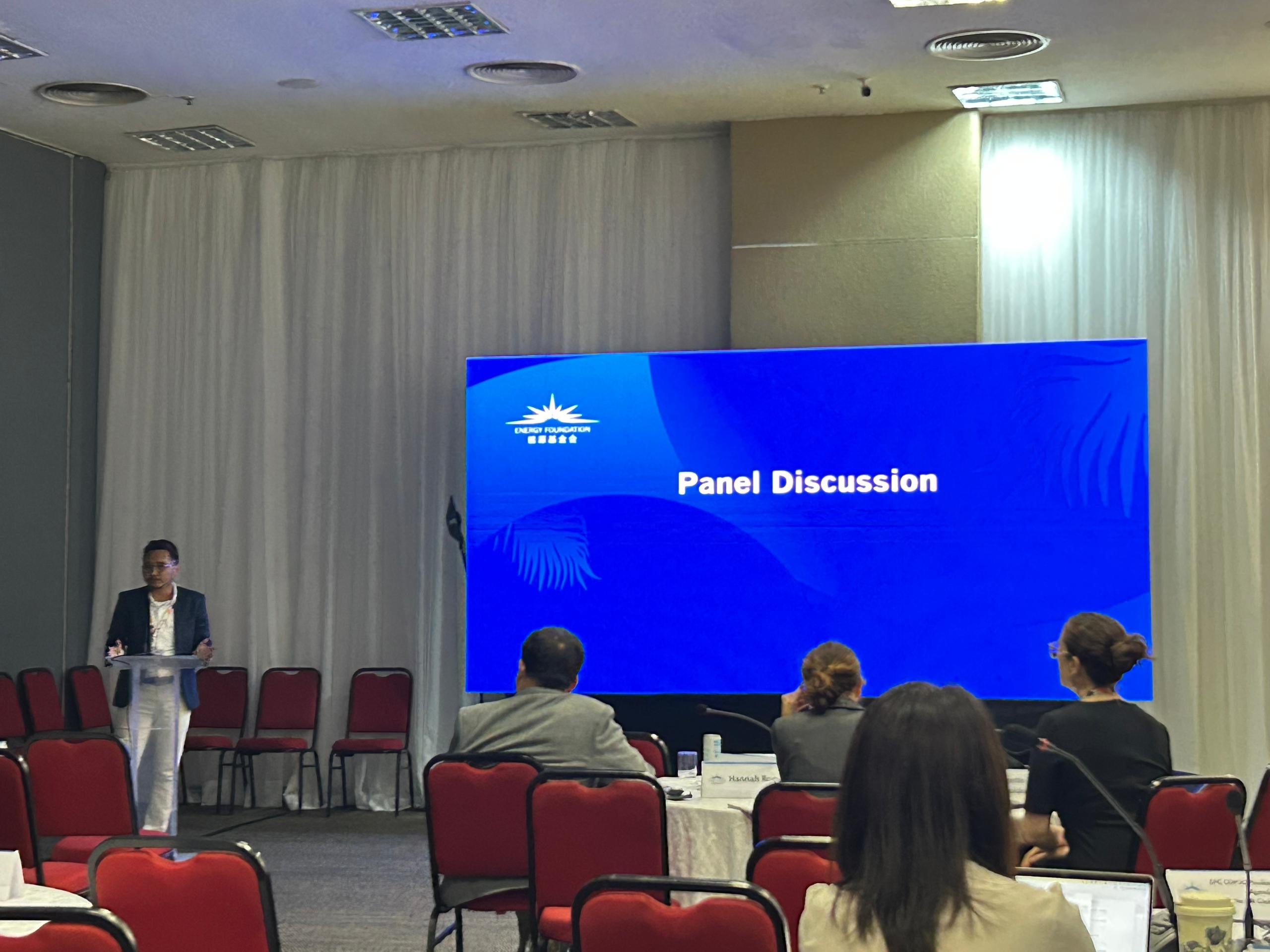
Photo 5. Rizki during the panel discussion at the EFC Pavillion
On his final day, Rizki contributed to the Energy Foundation China Pavillion session “Just and Inclusive Transition at a Subnational Level”. The panel brought together experts from global institutions and aimed to exchange lessons strategies that can be adapted across regions to advance just and inclusive energy transition (JIET).
With JIET now embedded in the new APAEC 2026-2030 theme, ensuring that ASEAN’s energy transition is secure, sustainable, and inclusive has been put at the centre stage. However, in relation to this, Rizki highlighted that the concept is still understood differently across member states. This brings forth the need for a common understanding to facilitate more cohesive regional energy policies and actions.
Moreover, he underscored how the APAEC provides a platform for ASEAN to engage with global partners—from development agencies and financial institutions to research centres—in mobilising the knowledge, technology, and financing needed to operationalise JIET across diverse national contexts. Complementing this, the ACCEPT project can connect energy and climate communities, supporting dialogues, research, and capacity-building that help translate JIET principles into practice. Through the APAEC, these partnerships bring together governments and international stakeholders to ensure JIET efforts remain inclusive, evidence-based, and grounded in local realities.
ACCEPT’s participation in COP30 concluded with renewed insights and reinforced commitments to advancing ASEAN’s energy cooperation and climate action for a just and inclusive and energy transition. While Rizki’s discussions touched upon various topics in ASEAN’s energy transition, one thing is clear: ASEAN will need strong regional coordination and a more interconnected power grid to align strategies, address climate issues, and advance technological capacity, an ensure that the energy transition remains people-centred and benefits all communities.
Through COP30’s global stage, ACE and ACCEPT reaffirmed their commitment in advancing ASEAN’s energy-climate nexus agenda. Moving forward, ACE and ACCEPT remain committed to fostering dialogue between energy and climate stakeholders and helping translate regional commitments into concrete action for the region.
(AZD)
** Join our ASEAN Researchers Network on Climate Change (ARNECC) by registering yourself here. Become a part of our collaborative efforts to address pressing climate challenges and shape a sustainable future. Detailed information on ACCEPT II can be found at https://accept.aseanenergy.org/ Follow our social media to stay updated on ASEAN’s energy-climate nexus and ACCEPT activities.