
Kuala Lumpur, 3-5 June 2025
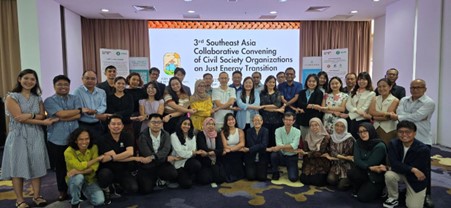
Photo 1. All participants of the 3rd Southeast Asia Collaborative Convening of Civil Society Organisations on Just Energy Transition
Kuala Lumpur, 3-5 June 2025 – The ASEAN Climate Change and Energy Project (ACCEPT) is the first integrated project between energy and climate sector on regional level. Building on this, with mandate from the 42nd ASEAN Ministers on Energy Meeting (AMEM) to include a just and inclusive energy transition in the ASEAN Plan of Action for Energy Cooperation (APAEC) 2026-2030, ACCEPT is also recognising the need to amplify the principle of just energy transition in ASEAN. This is including understanding the principles of climate justice and gender transformation with community and civil society organisation (CSO).
In doing so, ACCEPT actively participating to discussions, workshops, and events to share progress of the ASEAN Member States within the topic of just and inclusive energy transition. On 3-5 June 2025, ACCEPT was invited to the ‘3rd Southeast Asia Collaborative Convening of Civil Society Organizations on Just Energy Transition’. Organised by Oxfam, the forum aims to support community involvement and their access to climate finance and renewable energy transition following the launching of APAEC 2026-2030 in October 2025. On this occasion, Aldilla Rakhiemah, Project Manager of ACCEPT and Indira Pradnyaswari, Research Analyst of ACCEPT participated to the discussion. The event brought together more than 60 participants representing national, regional, and thematic CSO networks including the Asia Network on People’s Energy (ANPE), Fair Finance Asia (FFA), the I-JET Program, and youth and community representatives to ensure that Southeast Asia’s energy transition is not only rapid, but just, inclusive, accountable, and people-centered.
In total, the forum consist of 9 different sessions on just energy transition. The first day highlighted the progress update from APAEC, plenary discussion, and ASEAN-UNFCCC Process in relation to climate and energy policy. Aldilla shared the progress of APAEC drafting committee in tailoring a regional energy blueprint with further climate consideration, therefore, the energy and climate sector could be more align. She also added ACCEPT’s significant role in bridging the energy-climate ministries and providing discussion platform to connect both sides. On the second day, the topic of critical minerals, youth empowerment, and finance was brought up to accelerate a just energy transition. The last day highlighted policymaking area, where climate governance, tools, and collective action toward AMEM were discussed. During the session, CSOs were putting their perspectives toward the disparities between policymakers and implementation. Several roundtable were also organised to exchange knowledge between institutions, thereby understanding each perspective on the issue.
The convening closed with a reflection session, reaffirming a shared commitment: ASEAN’s transition must be equitable, transparent, and leaving no one behind. As Southeast Asia prepares APAEC 2026–2030 and heads toward AMEM in September, the message from Kuala Lumpur is unmistakable: civil society is ready with a unified voice, clear demands, and a vision of an energy future that is just, inclusive, and powered by its people.
(IP)
** Join our ASEAN Researchers Network on Climate Change (ARNECC) by registering yourself here. Become a part of our collaborative efforts to address pressing climate challenges and shape a sustainable future. Detailed information on ACCEPT II can be found at https://accept.aseanenergy.org/ Follow our social media to stay updated on ASEAN’s energy-climate nexus and ACCEPT activities.