
Kuala Lumpur, 17 October 2025
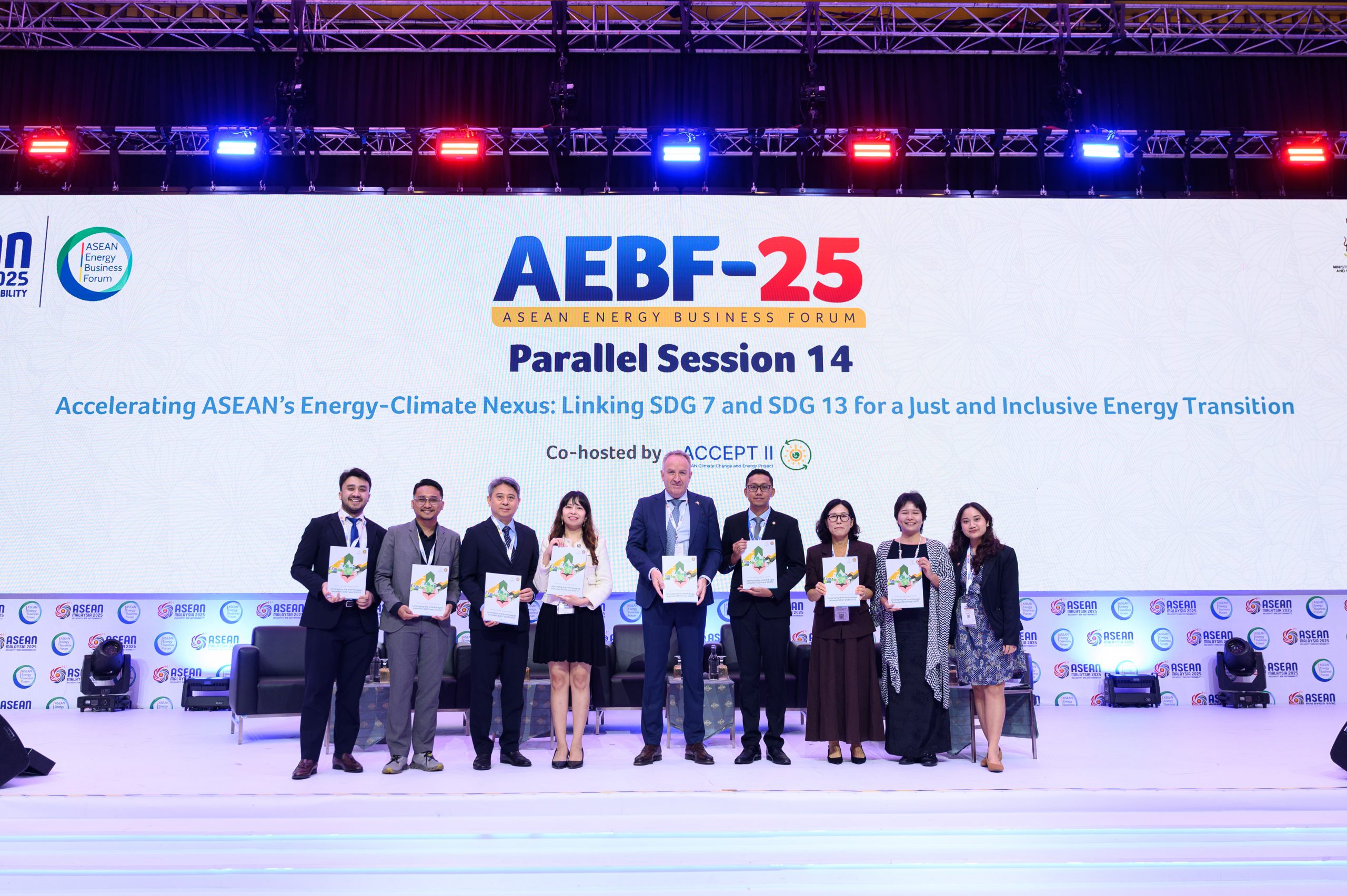
Photo 1. Group photo of the Advancing Clean Energy in ASEAN: Leveraging the Interlinkages between SDG 7 and SDG 13 report launch
Kuala Lumpur, 17 October 2025 – The ASEAN Climate Change and Energy Project (ACCEPT) Phase II launched its newest publication titled “Advancing Clean Energy in ASEAN: Leveraging the Interlinkages between SDG 7 and SDG 13,” marking another accomplished milestone to deepen regional understanding of the importance of strengthening the linkage between climate objectives and energy strategies through the Sustainable Development Goals (SDGs). The report was launched with the title Accelerating ASEAN’s Energy-Climate Nexus: Linking SDG 7 and SDG 13 for A Just and Inclusive Energy Transition at the ASEAN Energy Business Forum (AEBF) 2025 in Kuala Lumpur, Malaysia, which also included a scene setting presentation and a panel session with speakers from academia, government, and development partners—facilitating a multi-stakeholder dialogue to explore implementation pathways.
The panel session was opened with remarks from Knut Øyvind Granli, Deputy Head of Mission of the Royal Norwegian Embassy in Kuala Lumpur, and Dr. Zulfikar Yurnaidi, Manager of the Energy Modelling and Policy Planning (MPP) of the ASEAN Centre for Energy (ACE) on behalf of Dato’ Ir. Ts. Razib Dawood, Executive Director of ACE.
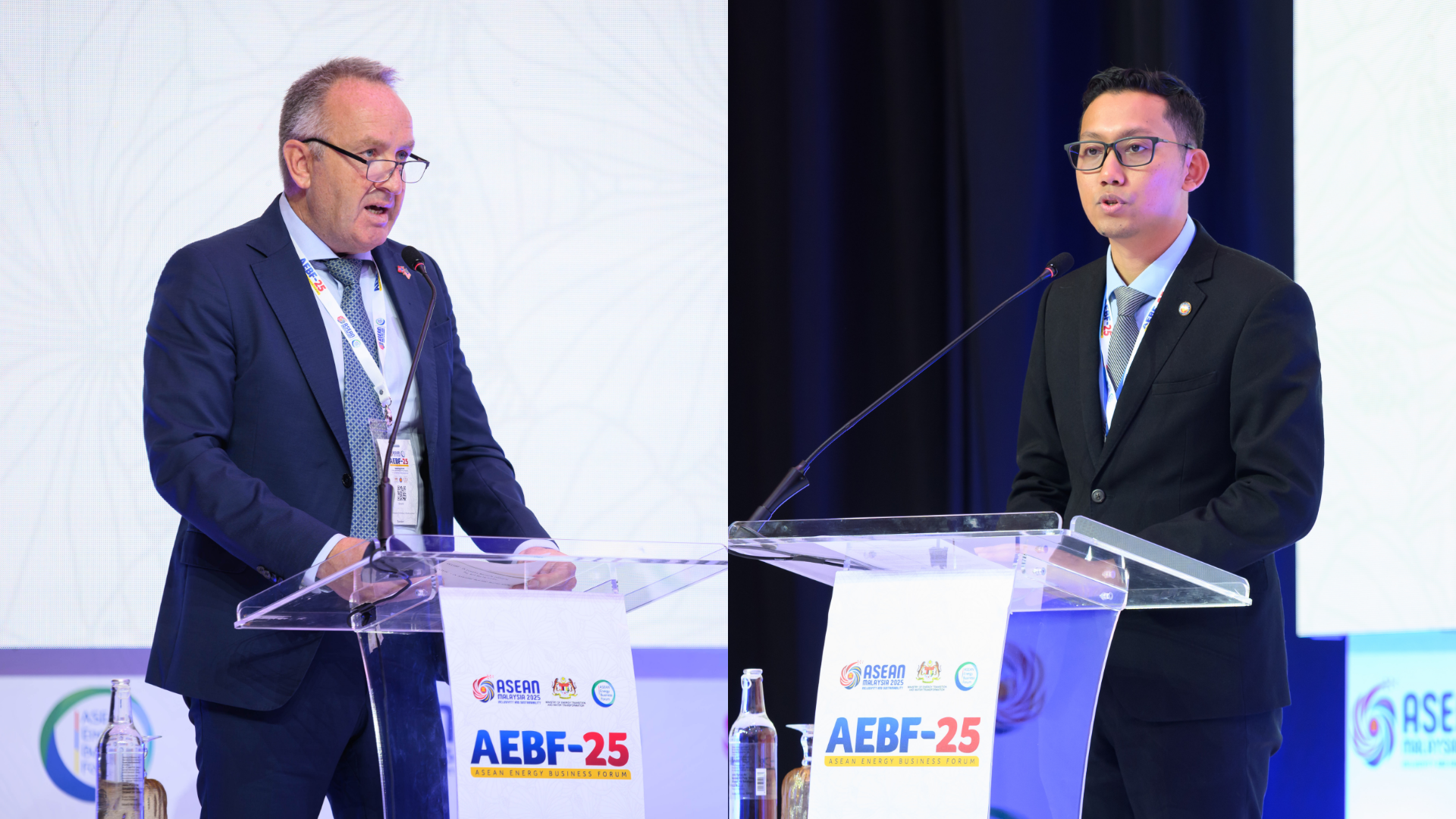
Photo 2. (Left to right) Knut Øyvind Granli, Deputy Head of Mission of the Royal Norwegian Embassy in Kuala Lumpur, and Dr. Zulfikar Yurnaidi, Head of the Energy Modelling and Policy Planning (MPP) of the ASEAN Centre for Energy
Kickstarting the discussions, Muhammad Rizki Kresnawan, Senior Research Analyst of ACCEPT II, presented key findings and recommendations from the report, which includes an overview of ASEAN’s progress and gaps on SDG 7 (Affordable and Clean Energy), climate enablers from SDG 13 (Climate Action), and key recommendations for ASEAN Member States (AMS), partners, and the wider stakeholders. He highlighted that linking SDG 7 and SDG 13 strategies can serve as a strategic enabler for climate finance mobilisation and resilience building, charting the way for affordable, just, and low-carbon energy transition.
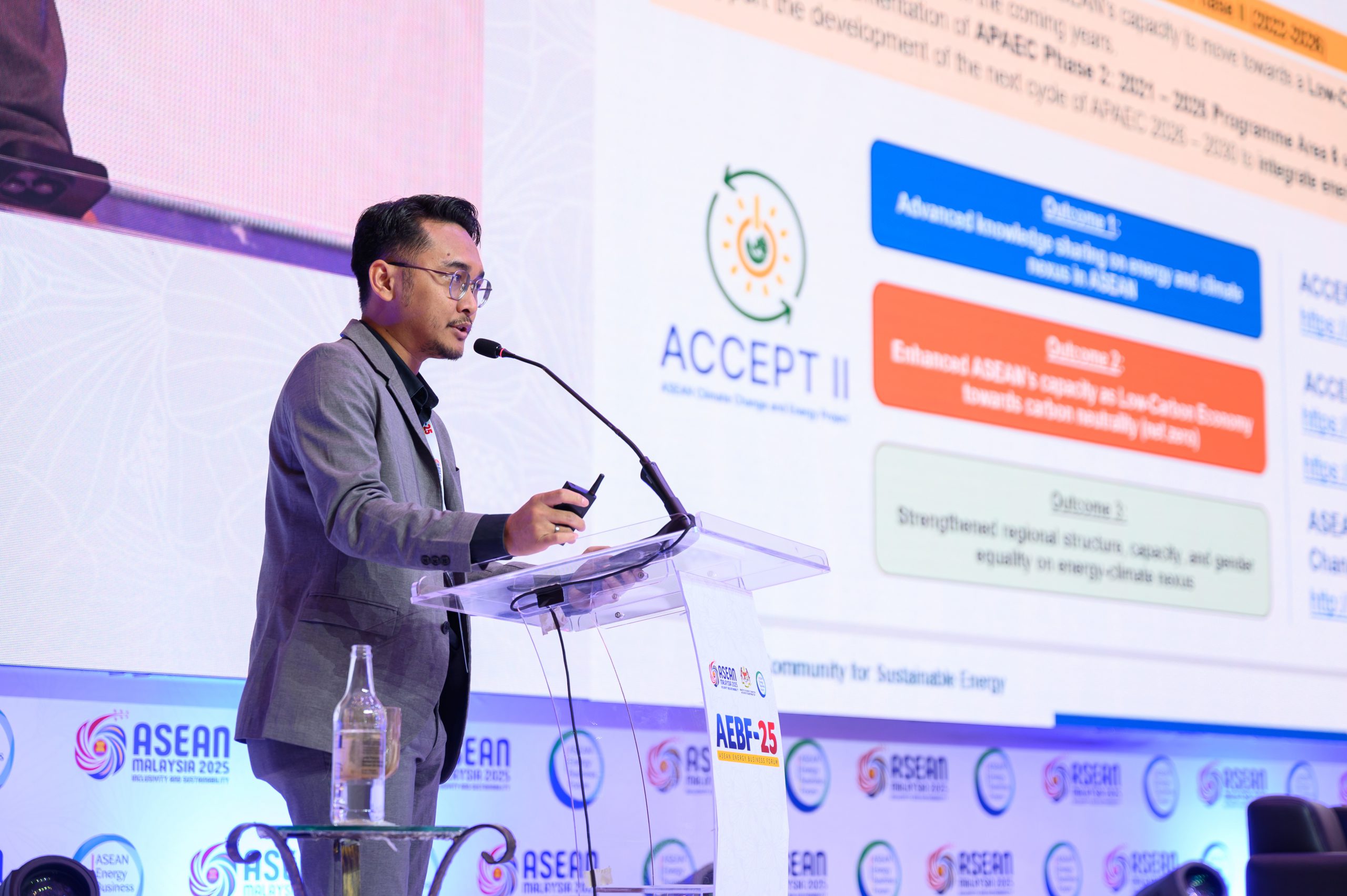
Photo 3. Muhammad Rizki Kresnawan, Senior Research Analyst of ACCEPT II presenting key findings and recommendations from the report
The session continued with a multi-stakeholder panel discussion moderated by Muhammad Ilham Rizaldi, Research Analyst of ACCEPT II. Building on the narrative of the report, further insights were shared by panelists Dr. Christopher Len, Acting Coordinator of the Climate Change in Southeast Asia Programme (CCSEAP), ISEAS – Yusof Ishak Institute, Yejin Ha, Economic Affairs Officer of the Energy Division, United Nations Economic and Social Commission for Asia and the Pacific (UNESCAP), Prof. Yuen Yoong Leong, Director of Sustainability Studies UN Sustainable Development Solutions Network (SDSN), and Muhammad Rizki Kresnawan, ACE.
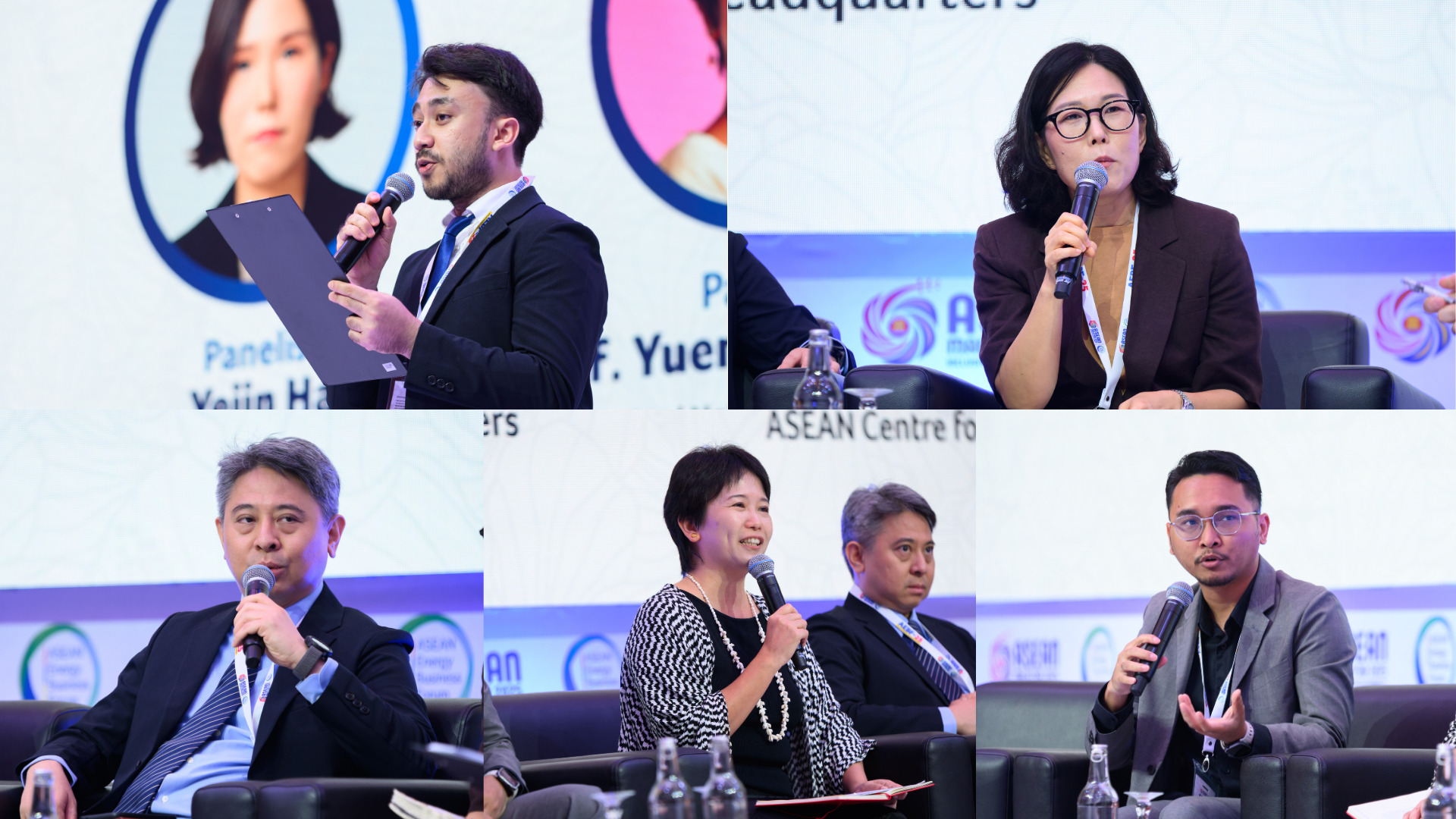
Photo 4. (Left to right) Muhammad Ilham Rizaldi, Research Analyst of ACCEPT II; Yejin Ha, Economic Affairs Officer of the Energy Division, United Nations Economic and Social Commission for Asia and the Pacific; Dr. Christopher Len, Acting Coordinator of the Climate Change in Southeast Asia Programme, ISEAS – Yusof Ishak Institute; Prof. Yuen Yoong Leong, Director of Sustainability Studies UN Sustainable Development Solutions Network; Muhammad Rizki Kresnawan, ASEAN Centre for Energy
To close the session, Aldilla Noor Rakhiemah, Project Manager of ACCEPT II, delivered her remarks and discussions takeaways. She highlighted three key points; achieving SDG 7 will depend on how effectively we act on SDG 13, collaboration is key to these efforts, and that this transition must be just and inclusive, ensuring that communities and workers across ASEAN benefit from the opportunities of a low-carbon future. She also thanked the ACCEPT II team, the panelists, and the audience that participated in the event.
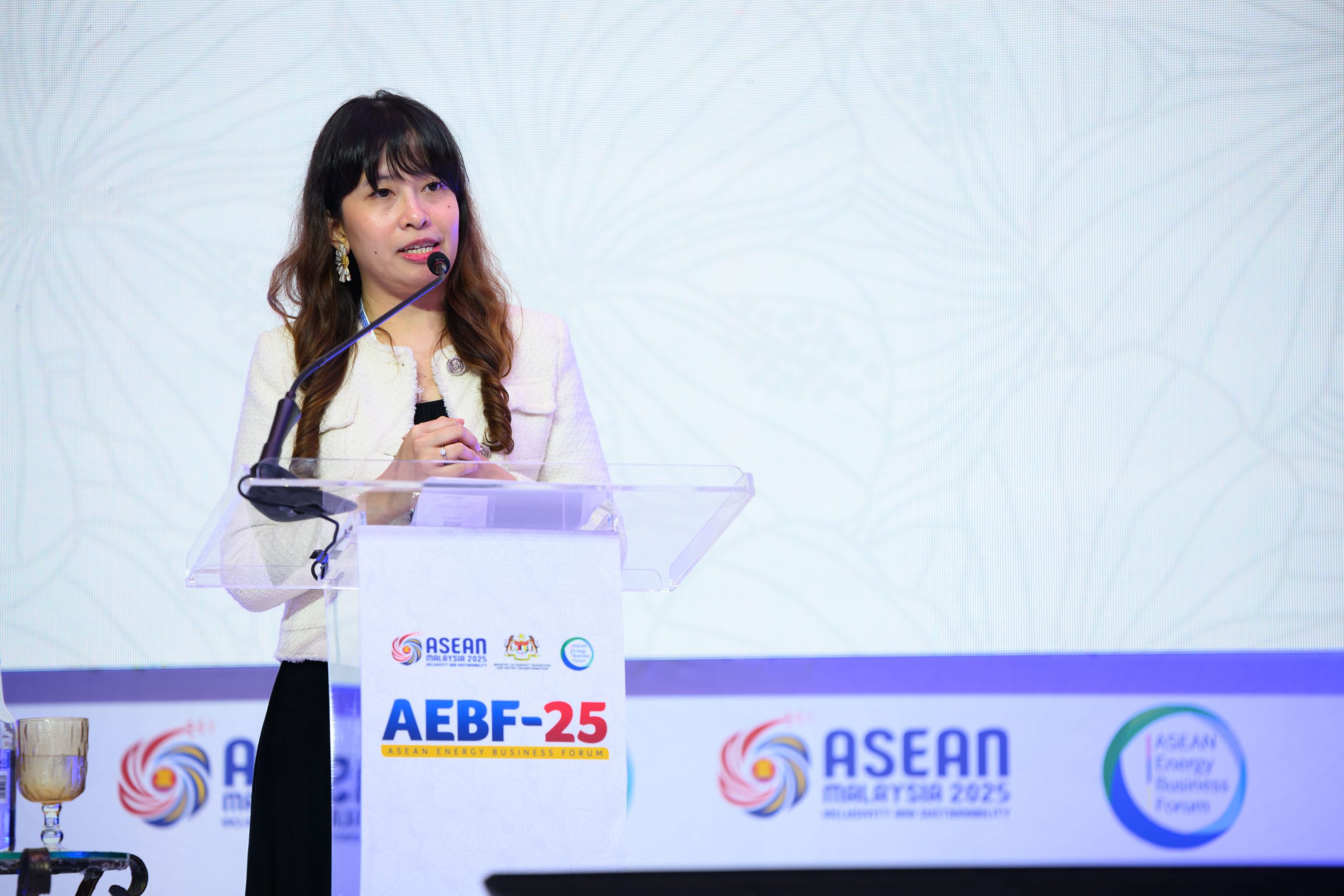
Photo 5. Aldilla Noor Rakhiemah, Project Manager of ACCEPT II delivering her closing remarks
Both the new report and panel signals ACCEPT’s continuous strong advocacy for strengthening the energy-climate nexus in the region. With strong strategic linkage between the two, ASEAN could unlock more opportunities in financing and implementation of low-carbon energy transition—ensuring it is just and resilient from the pressing climate challenges.
Read more of the Advancing Clean Energy in ASEAN: Leveraging the Interlinkages between SDG 7 and SDG 13 report by clicking here.
(NA)
**
Join our ASEAN Researchers Network on Climate Change (ARNECC) by registering yourself here. Become a part of our collaborative efforts to address pressing climate challenges and shape a sustainable future.
Detailed information on ACCEPT II can be found at https://accept.aseanenergy.org/
Follow our social media to stay updated on ASEAN’s energy-climate nexus and ACCEPT activities.