ASEAN Strengthens Clean Energy and Climate Action Agenda at the 25th ASEAN Energy Business Forum

Kuala Lumpur, 17 October 2025
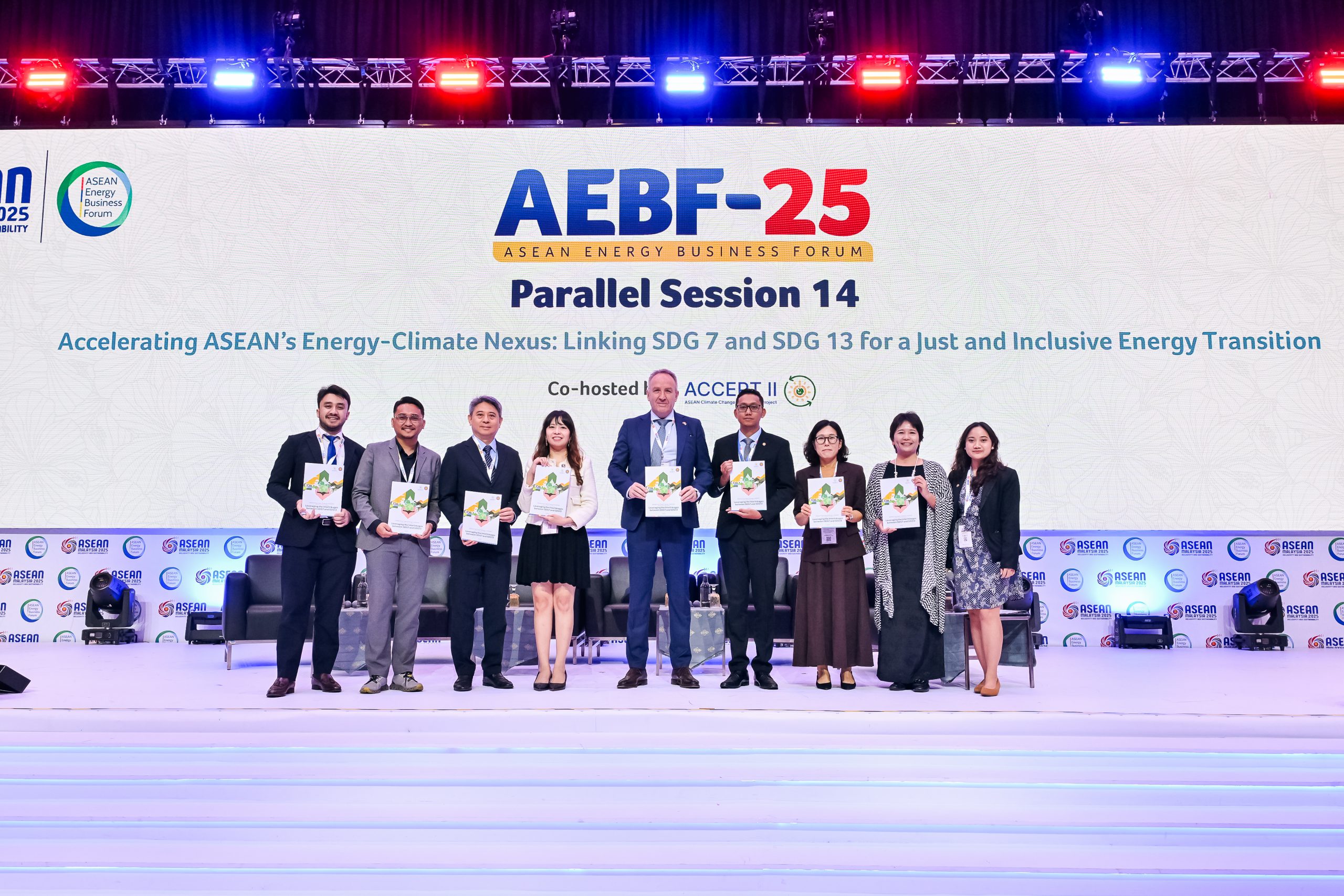
Photo 1. Launching of “Advancing Clean Energy in ASEAN: Leveraging the Interlinkages Between SDG7 and SDG13”.
Kuala Lumpur, 17 October 2025 — The ASEAN Centre for Energy (ACE), through the ASEAN Climate Change and Energy Project (ACCEPT), has taken a significant step forward in advancing ASEAN’s clean energy and climate agenda with the official launch of the report “Advancing Clean Energy in ASEAN: Leveraging the Interlinkages Between SDG7 and SDG13” report.
The report was launched during a dedicated dissemination session held as part of the 25th ASEAN Energy Business Forum (AEBF-25) at the Kuala Lumpur Convention Centre (KLCC) on 17 October 2025. The event was attended by Mr Knut Øyvind Granli, Deputy Head of Mission at the Royal Norwegian Embassy in Kuala Lumpur.
As one of the world’s fastest-growing economic regions, ASEAN’s continued reliance on fossil fuels makes its energy sector both a key driver of economic growth and the largest source of greenhouse gas emissions. Accelerating the shift to a low-carbon pathway is therefore essential, with Sustainable Development Goal 7 (Affordable and Clean Energy) and Goal 13 (Climate Action) being deeply interconnected.
The report explores these interlinkages, reviewing ASEAN’s progress towards achieving SDG 7 while illustrating how climate action under SDG 13 can serve as a strategic enabler through policy integration, mobilisation of climate finance, and strengthened resilience.
During the dissemination session, panellists discussed the study’s key findings and recommendations, examined pathways to leverage climate action, and reflected on ways to enhance multi-stakeholder collaboration across ASEAN. The discussion featured Dr Christopher Len of the ISEAS–Yusof Ishak Institute, Ms Yejin Ha of the United Nations Economic and Social Commission for Asia and the Pacific (UNESCAP), Professor Yuen Yoong Leong of the UN Sustainable Development Solutions Network (SDSN), and Mr Muhammad Rizki Kresnawan, Senior Research Analyst of ACCEPT II at ACE.
In his welcoming remarks, Mr Granli described the report’s launch as a milestone.
“It highlights that aligning climate action with energy access not only accelerates decarbonisation, but also promotes innovation, creates new jobs, and enhances resilience. Norway is proud to have supported this important work through the ACCEPT II project,” he said.
Speaking on behalf of ACE Executive Director Dato’ Ir. Ts. Razib Dawood, Dr Zulfikar Yurnaidi, Head of the Energy Modelling and Policy Planning Department, added that the study demonstrates how stronger climate action can accelerate access to clean and affordable energy.
“The report shows that when policy, data, and cross-sector collaboration come together, we can move from ambition to implementation,” he said.
Wrapping up the discussion, Ms Aldilla Noor Rakhiemah, Project Manager of ACCEPT II, emphasised the need for energy and climate goals to progress hand in hand.
“No single sector can do this alone — governments, industry, academia, and partners must work hand in hand to turn policies into action. And finally, we were reminded that this transition must be just and inclusive, ensuring that communities and workers across ASEAN benefit from the opportunities of a low-carbon future,” she said.
The launch coincided with the endorsement of the ASEAN Plan of Action for Energy Cooperation (APAEC) 2026–2030, ASEAN’s regional blueprint that will guide the region’s energy landscape for the next five years.
Moving forward, ACE and ACCEPT will continue to foster regional dialogue, strengthen knowledge sharing, and support policy integration to accelerate ASEAN’s energy transition in line with global climate commitments. By leveraging the synergies between SDG 7 and SDG 13, ACE reaffirms its commitment to building a cleaner, more resilient, and inclusive energy future for the region.
Click here to access the report.